





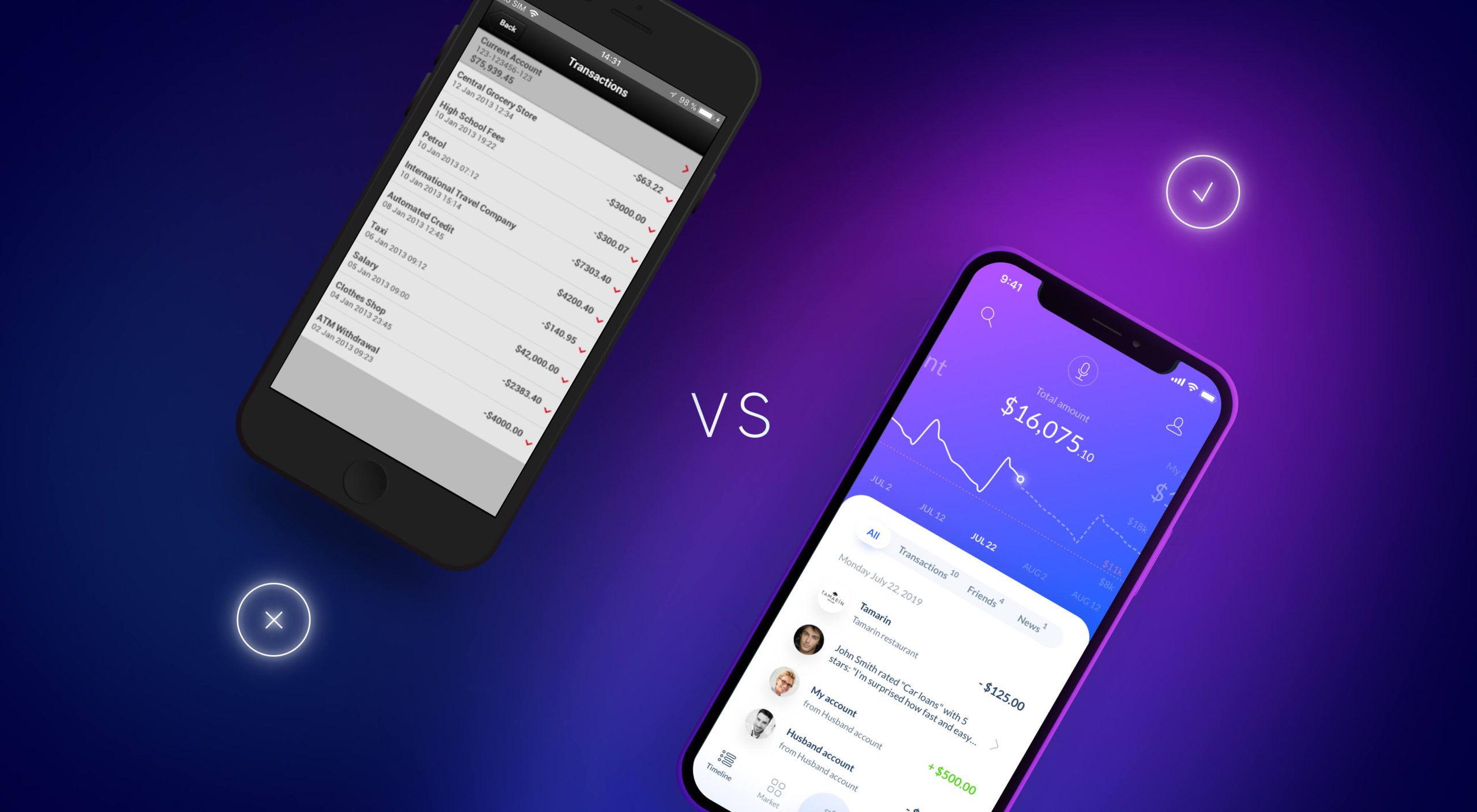


In today’s rapidly evolving digital landscape, financial technology (fintech) has emerged as a transformative force, reshaping how we manage and interact with our finances. At the heart of this revolution lies fintech app design and fintech UX design – two critical components that ensure users can seamlessly navigate complex financial processes and make informed decisions. In this article, we’ll delve into the intricacies of these designs, exploring their significance, principles, and impact on the modern financial landscape.
Introduction
The fintech industry is revolutionising traditional financial services, making them more accessible, efficient, and user-friendly. Central to this transformation is the design of fintech applications and their user experience.
The Role of Fintech App Design
Fintech app design involves creating visually appealing and functional interfaces that enable users to access and manage their financial information seamlessly. An effective design should simplify complex financial processes and empower users to make informed decisions confidently.
The Essence of Fintech UX Design
User experience (UX) design within the fintech realm focuses on users’ emotional connection with financial technology. It aims to create intuitive, efficient, and enjoyable interactions catering to users’ needs.
Understanding User-Centered Design
At the core of fintech app and UX design is the user. Designers must deeply understand user behaviours, preferences, and pain points to craft authentic solutions.
Simplicity and Clarity: Key UX Principles
Simplicity and clarity are paramount in fintech design. Presenting complex financial data in a straightforward manner enhances user comprehension and confidence.
Data Security and Privacy Considerations
As fintech deals with sensitive financial data, robust security measures and transparent privacy policies are non-negotiable. Users must feel secure when entrusting their financial information to these apps.
Incorporating Personalization for Better Engagement
Personalised experiences create a deeper connection between users and fintech apps. Utilizing user data to offer tailored recommendations and insights can significantly enhance engagement.
Importance of Responsive Design
With users accessing fintech apps on various devices, responsive design ensures a consistent and optimal experience across different screen sizes.
Seamless Onboarding Processes
First impressions matter. Streamlined onboarding processes reduce friction and make it easier for users to start using the app effectively.
Enhancing Financial Literacy Through Design
Fintech apps can play a vital role in improving financial literacy by providing clear explanations, educational content, and interactive tools that empower users to make informed financial decisions.
Navigating Complex Financial Workflows
Fintech apps often deal with intricate financial workflows. A well-designed app should guide users through these processes step by step, minimising confusion.
The Evolution of Mobile Payments
The rise of mobile payments has transformed how we transact. Fintech app design has facilitated this shift, offering users the convenience of seamless mobile payment experiences.
Designing for Inclusivity and Accessibility
Fintech should be accessible to everyone. Designing with inclusivity ensures that people of all abilities can access and utilise these essential financial tools.
Future Trends in Fintech App and UX Design
The future holds exciting possibilities for fintech design, including integrating AI, machine learning, and immersive technologies to enhance user experiences further.
Conclusion
Fintech app design and UX design are the cornerstones of user-centric financial experiences. By marrying innovation with user needs, these designs drive the fintech industry forward, making financial management more intuitive, efficient, and empowering.
FAQs
- How does fintech UX design impact user engagement?
Fintech UX design significantly influences user engagement by creating seamless and enjoyable interactions that cater to users’ financial needs.
- What role does personalisation play in fintech apps?
Personalisation enhances user engagement by tailoring recommendations and insights based on individual financial behaviours.
- How can fintech apps contribute to financial literacy?
Fintech apps can improve financial literacy by providing educational content and interactive tools that empower users to make informed financial decisions.
- What does the future hold for fintech app design?
The future of fintech app design involves integrating AI, machine learning, and immersive technologies to elevate user experiences further.
- How important is data security in fintech app design?
Data security is paramount in fintech app design to ensure users’ sensitive financial information remains confidential.


