


What are Nicotine Pouches and How Do They Work?
Composition and Use of Nicotine Pouches
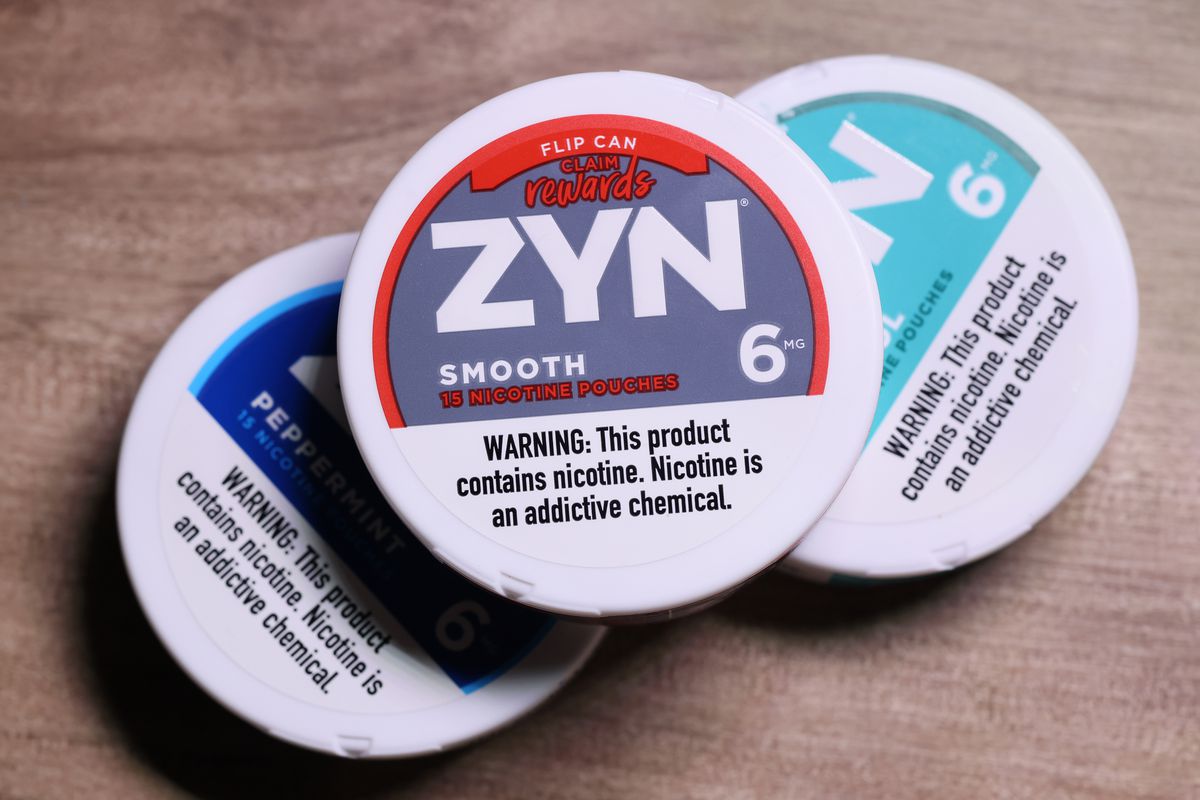
Nicotine pouches are oral tobacco-free products that contain nicotine derived from the Nicotiana tabacum plant. They are designed to be placed between the lip and gum, where the mucous membrane absorbs the nicotine. Here are some key parameters that define their composition and use:
- Nicotine Content: The amount of nicotine in each pouch can vary significantly, typically ranging from 2 to 8 milligrams, allowing users to choose the strength that matches their preference.
- Flavoring: Various flavors are added to enhance the user experience, including mint, fruit, and coffee.
- Fillers: Plant-based fibers, flavoring agents, sweeteners, and nicotine are combined with fillers like cellulose to give the pouches structure and consistency.
- Moisture Content: The moisture level of pouches affects the release rate of nicotine. Drier pouches release nicotine more slowly, while moister ones release it more quickly.
- Packaging: Pouches are sold in containers that keep them fresh and are typically discreet for users to carry and use on-the-go.
- Usage Duration: A nicotine pouch is generally used for approximately 20-60 minutes, during which the user experiences a controlled release of nicotine.
Nicotine pouches provide an alternative to smoking or vaping and are often marketed as a tool for smoking cessation, although the effectiveness and safety are subjects of ongoing research.
Understanding the science and composition of nicotine pouches is key for consumers making informed decisions, as well as for public health discussions regarding their use and regulation.
recommend reading: Exploring the World of Nicotine Pouches
How do Nicotine Pouches Differ from Other Tobacco Products?
Nicotine pouches are distinct from traditional tobacco products in various ways. Primarily, these pouches do not contain tobacco leaf, which fundamentally separates them from products like cigarettes, cigars, and smokeless tobacco. This absence of tobacco leaf means that they do not produce tobacco smoke nor require combustion to release nicotine, thereby eliminating the inhalation of tar and other smoking-related carcinogens. Moreover, nicotine pouches are designed for oral use only and are not linked with the secondhand smoke concerns that accompany traditional smoking. The controlled dosage of nicotine provided by the pouches is a targeted approach aimed at minimizing the risk of nicotine overdose. Since the product is smoke-free and spit-free, it offers a cleaner and more discreet experience for the user, which is a significant deviation from the use and public perception of conventional tobacco products. Additionally, the variety of flavors available with nicotine pouches can make them more appealing to certain users compared to the taste of tobacco in other forms. It is critical to note, however, that while nicotine pouches may reduce some risks associated with tobacco use, they are not without health implications and are still a focus of regulatory scrutiny and health research.
Exploring the Various Nicotine Strengths Available
Nicotine pouches come in a range of strengths, typically measured in milligrams (mg) per pouch. These strengths cater to the preferences of different users, from those seeking a lighter nicotine experience to those requiring a more potent dose. The lower end of the spectrum may begin at around 2-4 mg per pouch, considered suitable for individuals attempting to reduce their nicotine intake or those new to nicotine products. Intermediate strengths hover around 6-8 mg per pouch, providing a balanced nicotine level for regular users who are accustomed to moderate consumption. On the higher end, strengths can extend up to 12 mg or more per pouch for users with a higher nicotine tolerance or those transitioning from high-nicotine tobacco products. The choice of strength significantly impacts the user’s experience, influencing factors such as the onset and duration of the desired effects. Manufacturers label these strengths clearly, allowing users to make informed decisions based on their personal needs and consumption habits. It is imperative for users to understand the nicotine content in each product variation to manage their usage responsibly and health professionals to be cognizant of these varieties when discussing nicotine dependency and cessation strategies.
Why Choose Nicotine Pouches Over Smoking or Vaping?
Comparing the Benefits of Nicotine Pouches
Nicotine pouches provide several benefits when compared to traditional smoking or vaping, catering to users who seek an alternative nicotine delivery system. One primary advantage is discrete usage; since nicotine pouches do not produce smoke or vapor, they can be used inconspicuously in various settings without emitting odors or requiring the user to step outside. This non-combustible nature of nicotine pouches also means that users are not exposed to the harmful byproducts of combustion typically associated with smoking, such as tar and carbon monoxide. Furthermore, these pouches eliminate the need for additional equipment like lighters or chargers, enhancing convenience, and reducing associated costs. Other benefits include the precise control over nicotine dosing provided by standardized pouch strengths and the lack of impact on indoor air quality, making them a choice to consider for individuals who prioritize discretion and health-conscious alternatives to smoking or vaping.
Exploring Popular Nicotine Pouch Brands like Bapro
Bapro is recognized in the market for its commitment to quality and user experience. As a prominent brand in the nicotine pouch industry, Bapro differentiates itself by offering a variety of flavors and nicotine strengths to cater to a diverse consumer base. The product design aims to provide a comfortable fit between the lip and gum, designed to release nicotine efficiently and steadily over a designated period. Bapro’s offerings also comprise nicotine pouches free from tobacco constituents, aligning with contemporary market trends that favor tobacco-free nicotine alternatives. Each pouch is characteristically encased in a moisture-permeable covering, allowing for the transmucosal delivery of nicotine upon usage.
The brand’s emphasis on product integrity aligns with regulatory compliance and safety standards, ensuring each batch undergoes rigorous testing before reaching consumers. Bapro’s transparency in ingredient sourcing and production processes serves to establish trust and reliability among its user base. Furthermore, as the nicotine pouch market evolves, Bapro continues to innovate with research and development initiatives aimed at enhancing user satisfaction and reducing potential health risks associated with nicotine consumption.
Buying Nicotine Pouches Online: Tips and Recommendations
When contemplating the online purchase of nicotine pouches, it is critical to perform due diligence to ensure product authenticity and compliance with relevant legal frameworks. Consumers should prioritize retailers with robust age verification processes to adhere to age restriction laws and contribute to responsible consumption practices. It’s advisable to verify the retailer’s licensure and compliance with the Tobacco Control Act, particularly concerning proper labeling and packaging standards.
Prospective buyers are encouraged to review product specifications meticulously to confirm nicotine content and other ingredients, aligning their selection with individual preferences and health considerations. Comparing product prices across various platforms to ensure competitive rates, while also being alert for counterfeit products often associated with significantly lower pricing, is equally important.
Furthermore, customers should familiarize themselves with the shipping policies of the online marketplace, particularly concerning shipping duration, cost, and return policies, which can impact the overall purchase experience. Familiarity with these elements, coupled with a thorough understanding of user reviews for insight into brand reputation and product quality, can serve as an effective strategy for secure and satisfactory procurement of nicotine pouches online.
Understanding the Composition and Effects of Nicotine Pouches
Determining the Nicotine Content per Pouch
The nicotine content per pouch is a pivotal factor that consumers must evaluate before making an informed purchase. It is measured in milligrams (mg), and the amount can vary significantly among brands and product lines. Discerning users should scrutinize product descriptions and specifications to ascertain the precise nicotine strength, which typically ranges from lower-dose options suited for novices or those reducing intake, to high-dose offerings aimed at experienced users. This assessment ensures alignment with personal usage goals and nicotine tolerance levels.
Exploring the Different Flavors Available in Nicotine Pouches
Flavor offerings in nicotine pouches have expanded considerably, catering to a diverse palette of consumer preferences. Beyond traditional tobacco-like flavors, manufacturers now offer an assortment of options, including but not limited to mint, citrus, coffee, and various fruit-inspired varieties. It is important for retailers to present a comprehensive flavor inventory, and for consumers to explore detailed flavor profiles to select an option that satisfies their individual taste requirements. This variety not only enhances the user experience but can also play a role in aiding individuals seeking alternatives to conventional tobacco products.
Considering Nicotine Pouches as a Tobacco Alternative
Nicotine pouches present a smokeless, tobacco-free option, often considered by individuals looking for an alternative to traditional tobacco use. As they do not combust or contain tobacco leaf, these products may offer a different usage experience, with the potential for reduced exposure to certain harmful compounds typically associated with cigarette smoke. Users must weigh the product’s ingredients, delivery mechanism, and associated health implications, recognizing that cessation tools should be evaluated in consultation with healthcare professionals. Nicotine pouches, as part of harm reduction strategies, necessitate careful consideration of their role within a broader tobacco cessation framework.
