





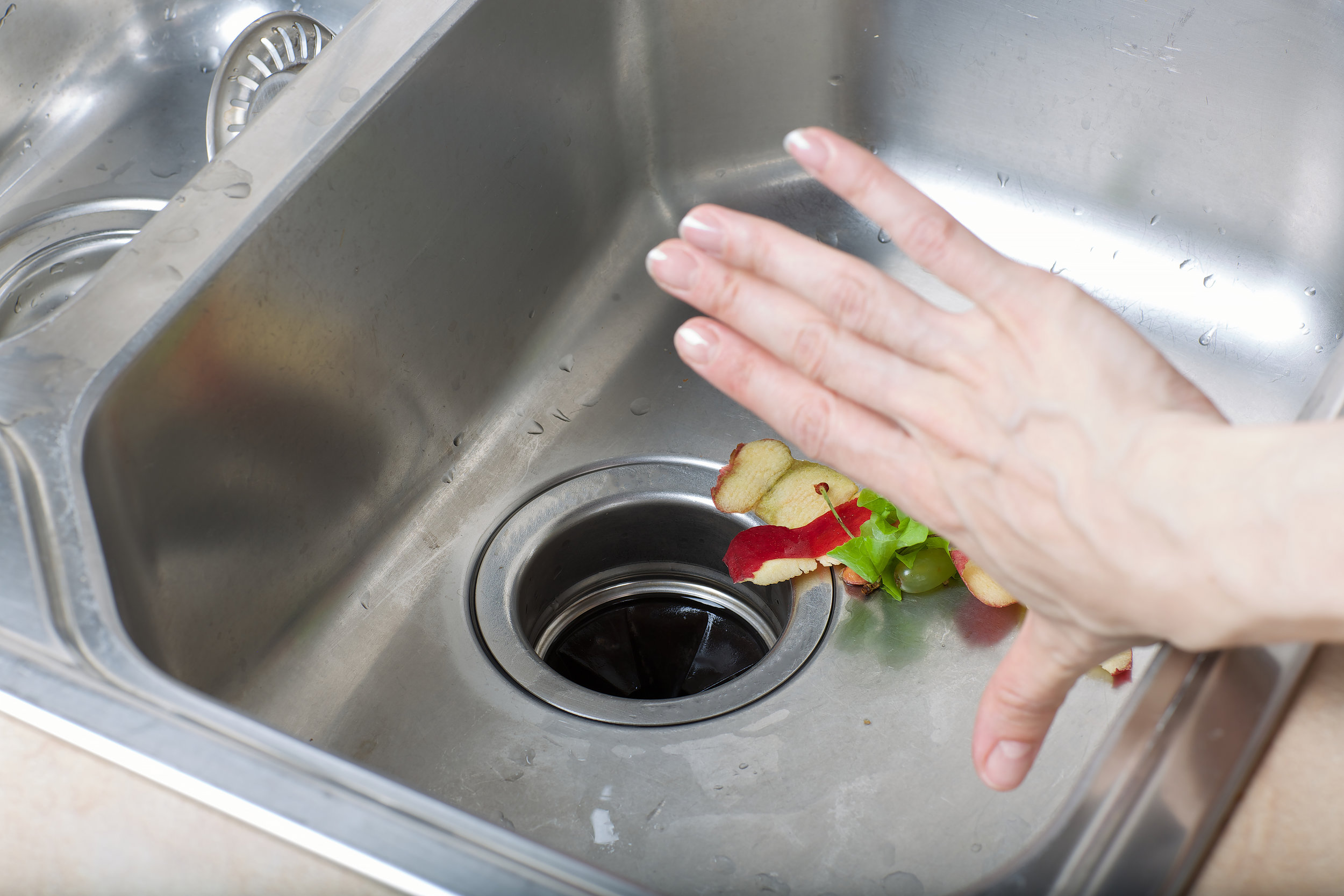


Unpleasant sink odors can make your kitchen and bathrooms unbearable. The smell comes from bacteria, organic matter, sewer line gas, clogged drains, and other situations that require a remedy. Drain cleaning is one of the solutions to consider if you’re experiencing an unpleasant odor from your sink. Here’s an overview of the causes of bad sink odor and how cleaning the drain can help:
Causes of Unpleasant Odor
The buildup of organic matter and bacteria are the prime cause of smelly sinks. Soap, hair, food remains, and greasy residue gradually builds up inside drain pipes. The organic buildup combines with moisture to create a sticky biofilm. Without cleaning, the biofilm clings to the sides of the drains offering the perfect habitat for odor-causing bacteria. Pink stains in your bathroom sink are one of the indications of bacteria. Odor-causing bacteria can become problematic in large numbers, calling for comprehensive cleaning.
Food residue, uncleaned biofilm, and improper sink use can result in clogging. A clogged sink is one of the smelliest as it creates standing water filled with organic matter. These conditions support the rapid growth of bacteria and other odor-causing organisms that make your bathroom sink smelly. Clogs further down the drain slow your sink, while nearby clogs can result in backflows. A backflow is hazardous and promotes the spread of bacteria and harmful pathogens to other parts of the room. Backflows require prompt addressing.
Sewer gas coming from decomposing organic matter is another cause of smelly sinks. Home sewer systems can produce methane, carbon dioxide, and other pungent gases. The sewer gases are directed through the lateral drain but can find their way back through sink traps in the bathroom drain. P-traps often contain water as a seal to prevent sewer gas from reentering the room. The water can evaporate, allowing sewer gases to pass back through the drain pipe. Such odors can persist even after cleaning the sink.
Drain Cleaning Processes
Drain cleaning involves flushing sinks and pipes to remove the buildup of organic matter and bacteria. The steps taken depend on the underlying cause of the odor. Sometimes the smell stems from a garbage disposal unit, which doesn’t require touching the sink and drain. Other times the pipes are clogged and need powerful hydro-jetting tools. You can also find temporary clearing services, which punch a hole through the debris using a cable snake. Clearing isn’t as effective as flushing everything out.
Comprehensive cleaning projects may involve disassembling the drain system and pipes to remove years of buildup from the pipeline walls. The service reduces blockages in your pipelines and extends the lifespan of your plumbing infrastructure. Other projects are easier to achieve by utilizing basic clog tools and plungers. Working with a professional drain cleaner is a good decision when fixing smelly kitchen and bathroom sinks. Below are three common steps the professionals use when cleaning unpleasant odors from your sink:
1. Drain Flushing
Drain and sink flushing removes debris from the system and fills the P-trap with clean water. You can add white vinegar, baking soda, and other organic cleaning agents to the flashing water. Use hot water to dissolve grease and oily residue.
2. Faucet Cleaning
The faucets and showerheads can be cleaned as part of a smelly drain and sink service. You can unscrew the end of the faucet and clean away any debris or mold on the aerator screen. Use hot water, baking soda, and vinegar to break down and clean hard debris.
3. P-trap Cleaning
Cleaning the P-trap involves removing what’s underneath the sink and using a bucket to capture water and debris. Removing the P-trap requires a wrench. Use a hose to flush the P-trap, then reassemble the drainage system. Flush the sink once more.
Work With a Professional Drain Cleaner
Scheduled drain cleaning can keep your pipelines in good condition and prevent premature breakdowns. You can schedule cleaning services for various reasons, including addressing a smelly sink, slow drain, or backflow issue. Working with a professional allows you to fix the underlying problem and prevent future reoccurrences. Choose reputable plumbing, drain, and sewer companies in your area. While DIY cleaning can be tempting, professionals may be more likely to provide quality outcomes and fast results.


