






In recent years, social media has become integral to our daily lives, transforming how we communicate, share information, and consume content. It has not only revolutionized the way we interact with each other but has also had a profound impact on various industries, including sports. Social media’s growing influence in sports culture has opened up new avenues for fans, athletes, and organizations to connect and engage with one another. In this article, Christopher Linton explores the significant role of social media in sports and how it has transformed the industry landscape.
Fan Engagement: Connecting Athletes And Fans
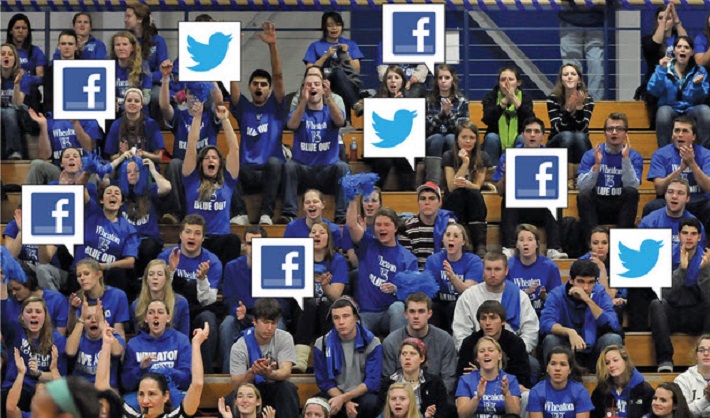
One of the most notable ways social media has impacted sports culture is through fan engagement. In the past, fans had limited opportunities to connect with their favorite athletes or teams outside of attending games or events. However, with the advent of social media platforms such as Facebook, Twitter, and Instagram, fans can now follow, interact, and stay updated with their beloved sports figures 24/7. Athletes have embraced these platforms, sharing behind-the-scenes moments, training videos, and personal insights, allowing fans to feel closer to their idols. This newfound accessibility has humanized athletes and made them more relatable, fostering a sense of community and loyalty among fans.
Rise Of Sports Influencers And Content Creators
Social media has created a new breed of sports influencers and content creators. Platforms like YouTube and TikTok have allowed individuals to showcase their knowledge, skills, and unique perspectives on sports. These influencers have amassed large followings, often rivaling traditional media outlets’ reach and influence. Their content ranges from analysis and commentary to comedic skits and trick shots, catering to diverse sports interests. This democratization of sports commentary and analysis has diversified the narrative surrounding sports, offering fresh and alternative perspectives to fans.
Transforming Sports News Dissemination
Moreover, social media has transformed the way sports news is disseminated. Traditional media outlets have long been the primary source of sports news, but with the rise of social media, news now spreads instantaneously across platforms. Athletes and sports organizations can announce directly to their followers, bypassing traditional media channels. This direct communication allows for more immediate and authentic updates, reducing the reliance on traditional media intermediaries. It has also given rise to citizen journalism, where fans capture and share live events, breaking news, and exclusive footage, creating a real-time sports experience for those who cannot be physically present.
The Impact On Esports
Social media has fueled the growth of esports, a form of competitive gaming that has gained significant popularity in recent years. Esports events are live-streamed on platforms like Twitch and YouTube, attracting millions of viewers worldwide. Social media provides a platform for esports enthusiasts to connect, discuss strategies, and cheer for their favorite teams. Esports athletes have become celebrities in their own right, with large social media followings and endorsement deals, further blurring the line between traditional sports and esports.
Addressing Challenges And Ensuring A Safe Online Environment
With the growing influence of social media in sports culture, some challenges need to be addressed. The anonymity and distance provided by social media platforms can lead to negative behaviors such as cyberbullying, harassment, and the spread of false information. Athletes, especially, have been subjected to online abuse and scrutiny, impacting their mental health and well-being. Sports organizations, social media platforms, and fans must work together to create a safe and respectful online environment.
Conclusion
Christopher Linton believes social media has undeniably played a significant role in shaping sports culture. It has revolutionized fan engagement, empowered content creators, transformed sports news dissemination, and fueled the growth of esports. While challenges need to be addressed, the overall impact of social media on the sports industry has been transformative. As technology evolves, it will be fascinating to see how social media further integrates with sports culture, creating new opportunities for interaction, entertainment, and community building. Whether you’re a die-hard sports fan or a casual observer, it’s clear that social media has become an integral part of the sports experience, enhancing our connection to the games we love.


