





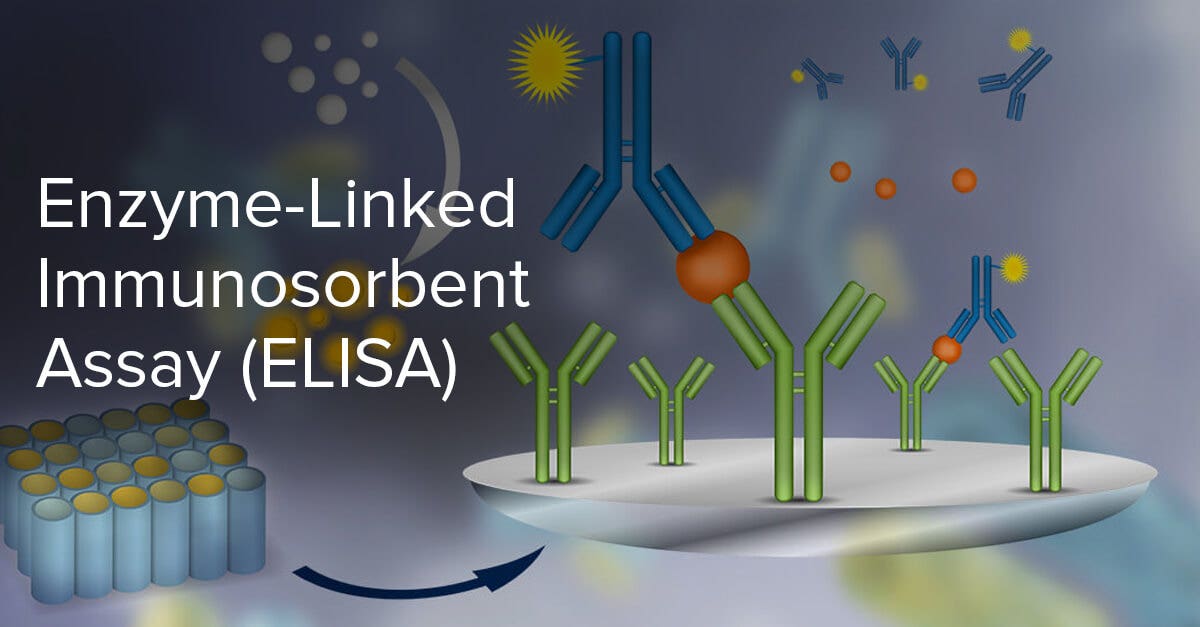


Enzyme Linked Immunosorbent Assay or ELISA is a biochemical technique used mainly in immunology to detect the presence of an antibody or an antigen in a sample. The assay uses biomarkers called enzymes that are attached to antibodies or antigens to detect their presence qualitatively or quantitatively. ELISA has wide application in medical diagnosis, drug and food industry testing and other areas where antigens and antibodies need to be identified.
History and Development
ELISA was developed in 1971 by two scientists named Peter Perlmann and Eva Engvall at the University of Uppsala, Sweden. They were the first researchers to develop the technique of using an enzyme linked to an antibody to identify an antigen. Over the years, the technique has undergone several refinements and optimizations for greater accuracy, sensitivity and multiplexing capabilities. Today, ELISA has become one of the most commonly used biochemical diagnostic and analytical techniques used worldwide.
Coherent Market Insights provides an overview of ELISA technique, its working principle, types and major applications in Enzyme Linked Immunosorbent Assay Market.
Types of ELISA
There are four main types of ELISA assays used depending on the components being detected:
- Direct ELISA: This detects the presence of antigens by using antigen-specific antibody that has been immobilized on a microtiter plate. The antigen in the sample binds to the antibody and is detected using an enzyme-labeled antibody specific to the antigen.
- Indirect ELISA: This detects antibodies by immobilizing the specific antigen on the plate and detecting bound antibodies from a sample using an enzyme-labeled secondary antibody specific to the immunoglobulin isotype of the sample antibody.
- Sandwich ELISA: Used to detect both antigen and antibodies simultaneously. Here two antigen-specific antibodies are used – one coated on the plate to capture the antigen and the other linked to an enzyme to detect the bound antigen.
- Competitive ELISA: Used mainly to quantify analytes like hormones, drugs and proteins in a given sample. Here the sample competes with a labeledanalyte for binding to the antibody, so the amount of label detected is inversely proportional to the analyte concentration in the sample.
Components and Mechanism
All ELISA techniques share some common components and a basic mechanism. They use microtiter plates to immobilize either antigen or antibody, followed by subsequent incubation with other components like the sample, detection antibody and enzyme-conjugated antibody or antigen. Finally, a chromogenic enzyme substrate is added that changes color upon enzymatic catalytic reaction, allowing the presence and amount of antigen/antibody to be visually identified.
Applications of ELISA
Due to its sensitivity, specificity, simplicity and cost-effectiveness, ELISA has numerous applications across different industries:
- Medical Diagnostics: Detection of antibodies for conditions like HIV, hepatitis, Lyme disease; tumor markers for cancer screening; thyroid hormones; and more.
- Food Testing: Identification of allergens, toxins, pathogens and GMOs in food products.
- Pharma Industry: Validation of biosimilars and biotherapeutics; potency testing of vaccines; residual protein detection during manufacturing.
- Veterinary Science: Diagnosis of infectious animal diseases; pregnancy detection in livestock.
- Biotechnology: Quantification of monoclonal antibody production; detection of protein-protein interactions.
- Environment: Detection of toxins and pollutants in soil, water and industrial samples.
- Research: ELISA is commonly used in life science research for protein analysis, genotyping and more.
For more details on applications of ELISA, refer to the research report by Coherent Market Insights.
Market Outlook
The global ELISA market size is projected to grow significantly in the coming years driven by factors such as rising incidences of chronic and infectious diseases worldwide, increasing adoption of ELISA in diagnostic applications, growing R&D expenditure on life science research and technological advancements leading to development of high-throughput ELISA systems. The medical diagnostics segment currently dominates the market due to ELISA’s widespread use for disease screening, infection diagnosis, pharmaceutical drug development and more. Regionally, North America leads the global ELISA market owing to well-established healthcare infrastructure and presence of key market players. However, Asia Pacific is expected to emerge as the fastest growing regional market over the forecast period attributed to growing healthcare awareness, rising healthcare expenditure, and strengthening research base in countries like China and India


