





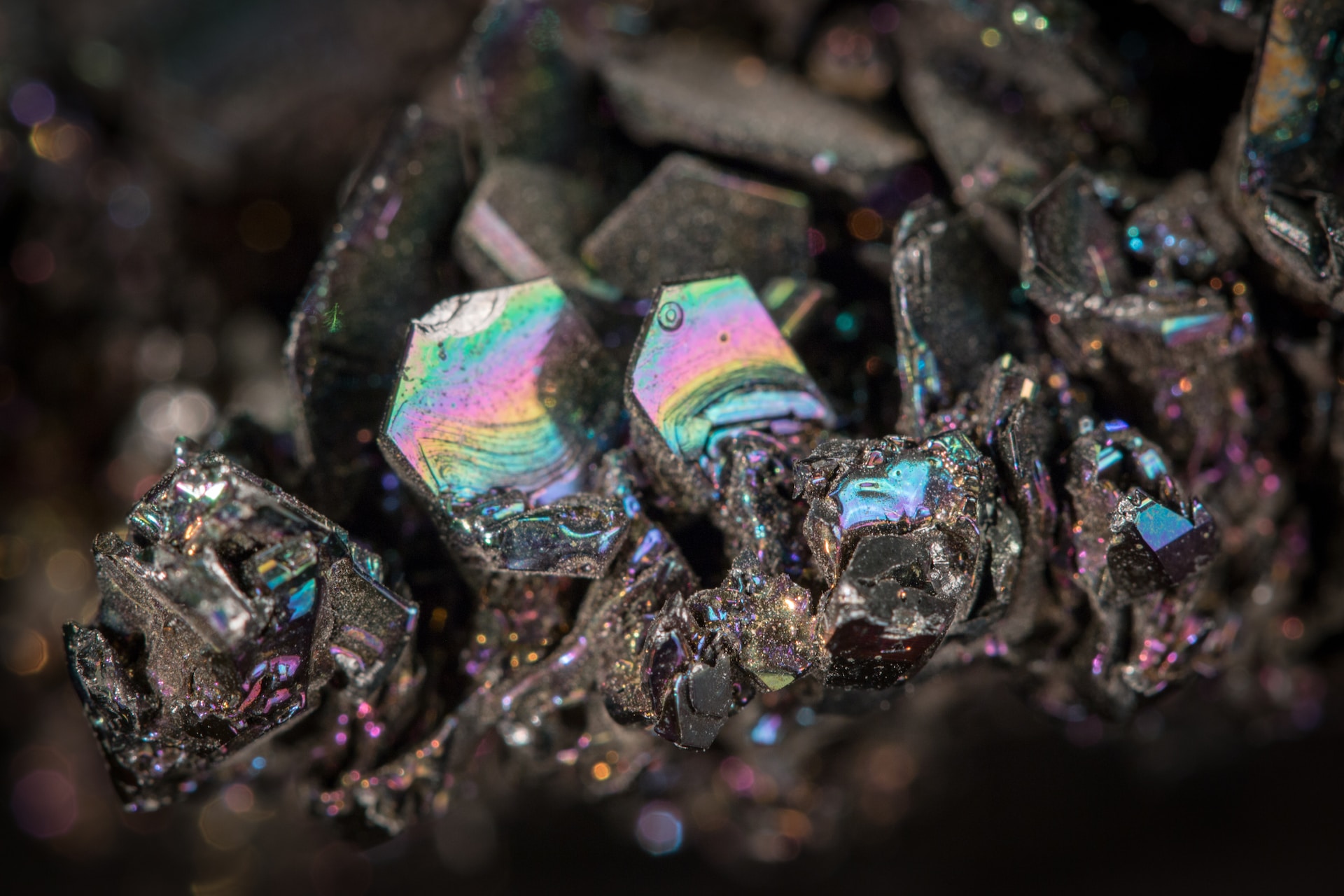


Himalaya Shilajit, a potent and revered substance, has long been known for its incredible health benefits and performance-enhancing effects. Derived from the Himalayan mountain range, this natural mineral resin is packed with powerful nutrients and bioactive compounds that significantly improve vitality, stamina, and overall well-being. Due to these many benefits, Shilajit gained popularity in UK., This article will delve into the world of Himalaya Shilajit, exploring its historical significance, composition, scientific research, usage guidelines, precautions, and where to buy authentic products. So, let’s embark on this journey and discover the wonders of Himalaya Shilajit.
What is Himalaya Shilajit?
Himalaya Shilajit is a unique substance that oozes from the cracks of rocks in the Himalayan mountains. Plant matter decomposes over centuries and microorganisms act on it. This natural resin is rich in minerals, trace elements, amino acids, fulvic acid, and other bioactive compounds that contribute to its remarkable properties.
The historical significance of Shilajit
Shilajit has a long history of use in traditional systems of medicine, such as Ayurveda, Siddha, and Unani. The rejuvenating and revitalising properties of this plant have been valued for centuries. Ancient texts and manuscripts mention Shilajit as a potent elixir that enhances vitality, strength, and longevity.
Composition and benefits of Himalaya Shilajit
Fulvic acid and minerals
A key component of Himalaya Shilajit is fulvic acid, a humic substance known for enhancing bioavailability. The body can absorb minerals and trace elements effectively with the help of fulvic acid. Shilajit also contains essential minerals like iron, magnesium, zinc, and calcium, crucial for various physiological processes.
Antioxidant properties
The antioxidant properties of Himalaya Shilajit help neutralise harmful free radicals in the body. Free radicals are unstable molecules that can damage cells and contribute to various health issues, including premature aging and chronic diseases. In addition to promoting cellular health, Shilajit supports overall wellness by reducing oxidative stress.
Anti-inflammatory effects
Chronic inflammation is a common underlying factor in many diseases. Shilajit exhibits anti-inflammatory effects, helping to reduce inflammation and alleviate associated symptoms. In addition to supporting a healthy immune response, it may help manage conditions such as arthritis and allergies.
Cognitive enhancement
Studies suggest that Himalaya Shilajit may have cognitive-enhancing properties. Memory, focus, and attention are enhanced, improving overall brain health. The bioactive compounds in Shilajit may contribute to increased neurotransmitter activity, promoting mental clarity and cognitive function.
Stamina and endurance boost
One of the most sought-after benefits of Himalaya Shilajit is its ability to enhance stamina and endurance. Athletes and fitness enthusiasts often turn to Shilajit to improve their physical performance. Shilajit enhances energy metabolism, oxygen utilisation, mitochondrial function, stamina, faster recovery, and athletic performance.
Scientific Studies on athletic performance
Research involving athletes has demonstrated the positive impact of Shilajit on performance. Shilajit significantly improved endurance, strength, and exercise capacity in a randomised, double-blind, placebo-controlled study compared to placebo. The findings indicate Shilajit has the potential as an ergogenic aid.
Energy metabolism and mitochondrial function
Optimising mitochondrial function is one of the ways in which Shilajit enhances energy metabolism. Mitochondria are the powerhouse of cells responsible for producing energy. Shilajit supports mitochondrial health, leading to improved energy production and utilisation. This can increase stamina, reduce fatigue, and better overall physical performance.
Anti-aging effects
Another intriguing aspect of Shilajit is its potential anti-aging effects. In addition to reducing oxidative stress and promoting cellular regeneration, Shilajit may enhance mitochondrial function and reduce age-related changes. These effects may contribute to improved vitality, longevity, and youthful appearance.
How to use Himalaya Shilajit
When using Himalaya Shilajit, following the recommended dosage guidelines is essential. Shilajit is typically taken once or twice a day with warm water or milk dissolved in a pea-sized amount (about 300-500 mg). It is advisable to start with a lower dosage and gradually increase it as needed. It is recommended, however, to consult with a healthcare professional before taking any medication, especially if you have underlying health conditions or are taking medications.
Although Himalaya Shilajit is generally considered safe, some people may experience mild side effects such as digestive discomfort or allergic reactions. Medical advice should be sought if any adverse reactions occur.
Precautions and contraindications
Although Himalaya Shilajit is well-tolerated by most individuals, certain precautions should be taken:
Allergies and sensitivities
Shilajit should be used cautiously if you have allergies or sensitivities to certain substances. Some individuals may be allergic to specific components present in Shilajit. It is recommended to perform a patch test or consult an allergist before using Shilajit.
Interactions with medications
Himalaya Shilajit should not be taken if you are currently taking medications. It can alter the effects of certain medications, such as blood thinners or diabetes medications. A healthcare professional can guide potential interactions and help you make an informed decision.
The Bottom Line
Ultimately, Himalaya Shilajit is a remarkable natural substance that offers vitality and stamina enhancement benefits. Its historical significance, the rich composition of minerals and bioactive compounds, and extensive scientific research make it a compelling choice for individuals seeking to improve their well-being and performance.


