





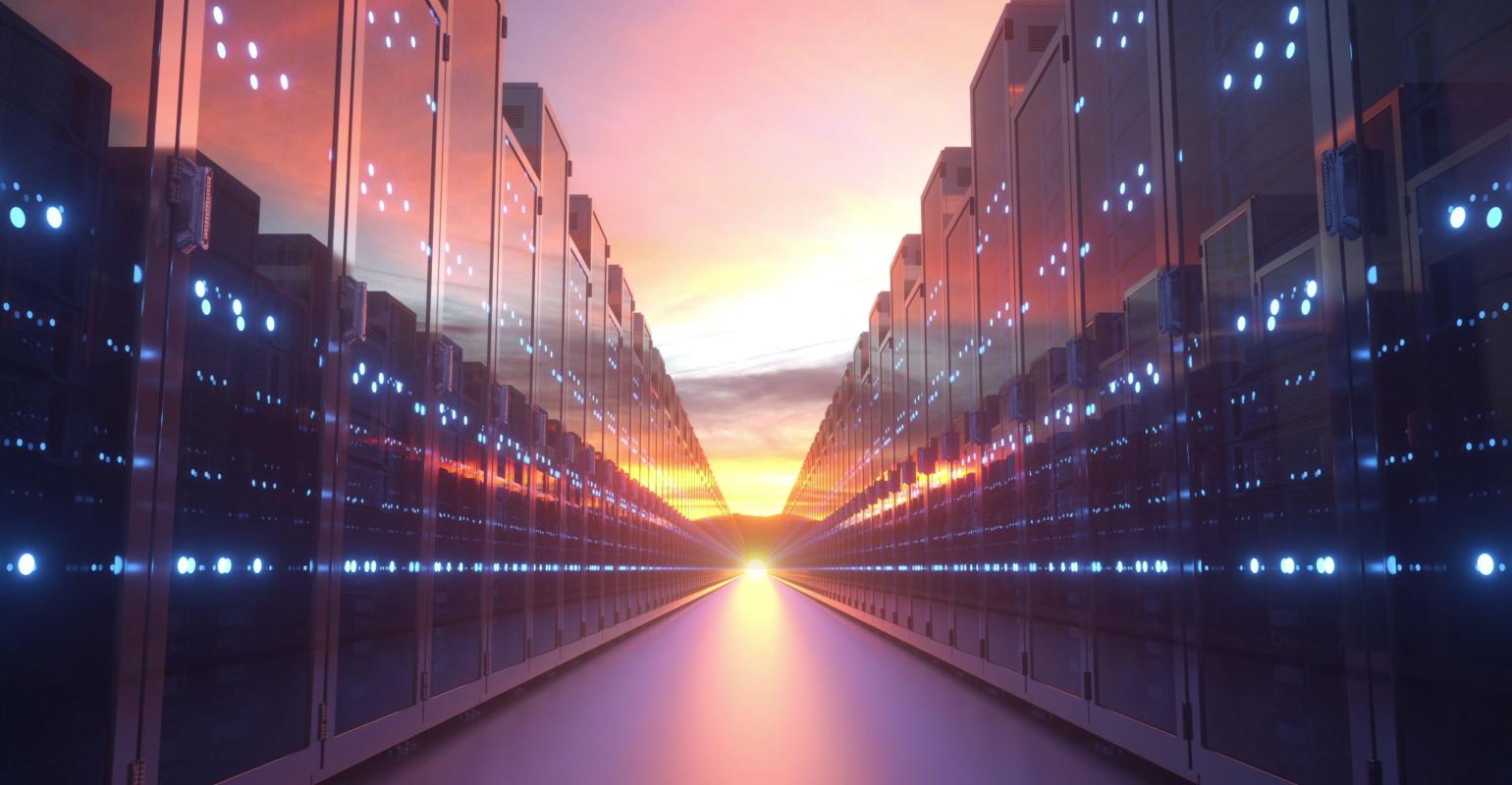


With the ever-increasing demand for data storage and processing power, the traditional brick-and-mortar data centers are facing several challenges to keep up with this rapid growth. Issues around scalability, flexibility, and speed of deployment have prompted organizations to look for more agile and efficient data center solutions. One such disruptive innovation that is gaining prominence is the modular data center.
What is a Modular Data Center?
A modular data center is a portable modular structure that can be deployed rapidly without the need for extensive civil works or construction activities. These are self-contained data center facilities assembled from standardized modular components that can be integrated together quickly to deliver prefabricated infrastructure assemblies to the end-user site.
Key Benefits of Modular Data Centers
CoherentMI highlights in Modular Data Center Market the major benefits of such centers.
- Scalability and Flexibility: Modular data centers come pre-assembled in standardized modules that can be easily added or removed based on the organization’s dynamic computing needs. This plug-and-play capability enables quick scalability without overprovisioning of capacity.
- Rapid Deployment: Traditional brick-and-mortar facilities take 12-24 months for completion but modular facilities can be deployed within 6-8 weeks. This significantly reduces time to market for new data services.
- Lower Total Cost of Ownership (TCO): With a shorter project period and resources required, modular data centers lower capital expenditure and project risks. Standardized design enables optimization of components for high efficiency and lower operating costs over the lifetime.
Types of Modular Data Center Solutions
- Outdoor/On-site Modular Data Centers: These are single-floor modular enclosures that can be placed outdoors near the customer’s premises. They integrate all critical components into prefabricated modules and Control Rooms that are assembled on-site.
- Multi-rack Modular Data Centers: Larger multi-room/multi-rack solutions house multiple racks of equipment within shipping container size portable enclosures that can scale up to 1000sqm zone 4 compliant facilities.
- Modular Micro Data Centers: Very compact fully integrated data center solutions fitting 40-60 rack units primarily targeted for edge/retail applications with footprint less than 50 sqm.
- Containerized Modular Data Centers: Shipping container-sized enclosures specifically engineered as secure walk-in climate controlled data halls for deployment anywhere within weeks.
Key Market Trends Impacting Modular Data Centers
- Cloud Adoption and Edge Computing: With rising adoption of cloud and proliferation of IoT devices generating data at the edge, there is a growing need for secure modular facilities closer to end users for low latency applications.
- 5G Rollout and Mega Data Centers: 5G will drive more connected devices requiring distributed infrastructure. Modular designs enable hyper-scalers and telcos to rapidly deploy mega edge data centers globally to support 5G networks.
- Sustainability and Renewable Energy Integration: Modularity enables flexible integration of renewable energy sources like solar panels. It also allows efficient utilization of waste heat for nearby districts/buildings improving sustainability.
- Healthcare and Disaster Recovery Needs: Modular centers facilitate rapid launch of backup IT facilities at healthcare clinics or to support relief/recovery efforts during natural disasters ensuring business continuity.
Market Outlook
The modular data center market continues to witness strong growth globally driven by the cloud revolution, 5G deployments, and sustainable infrastructure trends discussed above. Asia Pacific currently dominates the market led by China, India, and other Southeast Asian countries rapidly digitizing their economies. North America is another major regional market undergoing a transition from traditionally built data halls to modular and portable capacity support. For more details on the latest market size estimations, annual growth projections and key factors impacting adoption, refer to the comprehensive research report on modular data center market published on the CoherentMI website. The future outlook remains positive with modular designs expected to gradually replace over half of new data center builds globally by 2030.


