







The surge in popularity of electric personal transportation devices has led to a fierce debate between enthusiasts of e-bikes and e-scooters. In this review, we will assess the various features, riding experience, costs, and environmental impacts of these two devices to help potential buyers determine which option is ideal for their specific needs.
Design and Features
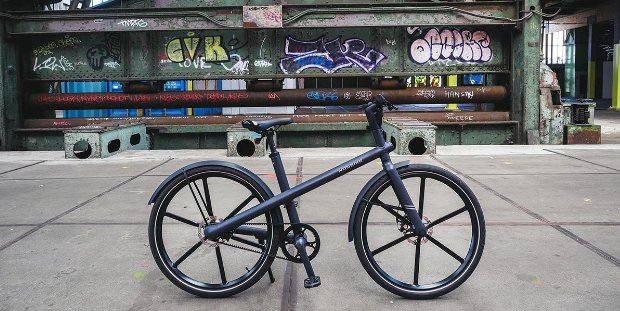
One of the main differences between e-bikes and e-scooters is their design and construction. Electric bikes typically resemble traditional bicycles, with a frame, pedals, and wheels, but also feature an electric motor and battery that provide additional power and speed.
E-scooters are compact, lightweight, and feature a handlebar, deck, and two wheels, with an electric motor and battery housed in the deck.
E-Bikes
Pros:
- More powerful motors, capable of climbing steep hills
- Can ride on a broad range of terrains
- Often include storage options like racks or baskets
- Larger wheels for a smoother ride
Cons:
- Typically heavier and bulkier than e-scooters
- Not as compact or easily portable
E-Scooters
Pros:
- Lighter and more compact than e-bikes, making them easier to carry and store
- Faster acceleration at low speeds
Cons:
- Shorter range compared to e-bikes
- Smaller wheels, making it less comfortable on rough surfaces
- Not ideal for steeper hills
Riding Experience
When it comes to the riding experience, there are several factors to consider, including handling and maneuverability, comfort and convenience, and safety concerns and regulations.
E-bikes are generally more stable and easier to handle than e-scooters, thanks to their larger frame and wheels, which provide a smoother and more comfortable ride.
E-scooters, on the other hand, are more agile and maneuverable, thanks to their compact design and low center of gravity, which makes them ideal for urban commuting or short trips.
E-Bikes
Pros:
- Better handling and stability due to larger wheels
- Comfortable seating and natural cycling position
- Easier to navigate through traffic due to bike lanes
Cons:
- Bulkier and heavier, making it more challenging to carry upstairs or into buildings, but there are also folding electric bikes available.
E-Scooters
Pros:
- Highly manoeuvrable, with quick acceleration and sharp turns
- Stand-up riding position makes it accessible for riders in various types of clothing (e.g. skirts, suits)
Cons:
- Less stable at high speeds compared to e-bikes
- May need to share pedestrian areas, leading to conflicts and safety concerns
Cost
When it comes to cost, there are a few factors to consider for both e-bikes and e-scooters.
Firstly, the initial purchase price of an electric bike is generally higher than that of an electric scooter. This is due to the larger and more complex design of electric bikes, as well as their higher power output and range. On the other hand, e-scooters are smaller and simpler in design, and are therefore less expensive to manufacture and purchase.
Ultimately, the cost comparison between these two will depend on individual factors such as usage frequency, distance traveled, terrain, and personal preferences.
E-Bikes
Pros:
- Some models offer a more affordable entry point to electric transportation
- Longer-lasting batteries and overall durability
Cons:
- Higher initial purchase price compared to most e-scooters
- Maintenance and repairs can be costly, particularly for specialized components
E-Scooters
Pros:
- Lower initial purchase price for many models
- Cheaper maintenance and repair costs
Cons:
- Can have a shorter service life due to the lighter construction
- Battery replacements may be required more frequently
Environmental Impact
Both e-bikes and e-scooters produce zero emissions and can help reduce air pollution and traffic congestion in urban areas.
E-Bikes and E-Scooters
Pros:
- Both are eco-friendly and produce minimal carbon emissions compared to fossil fuel-based transportation
- Encourage a shift towards greener transportation options and reduce congestion in urban areas
Cons:
- Electric power source must be considered, as clean energy production is crucial for long-term sustainability
Overall, both e-bikes and e-scooters have a positive environmental impact and can help improve urban mobility and reduce carbon emissions.
Conclusion
Ultimately, whether an e-bike or e-scooter is the right choice for you depends on your individual needs and preferences. Electric bicycles are ideal for those who require a more comfortable ride, longer ranges, and the ability to tackle steep hills or rough terrains. On the other hand, e-scooters offer a compact, agile and cost-effective solution for users looking for a lightweight and easy-to-carry transportation device.
Before making a decision, we recommend test-riding models from both categories to find the best fit for your lifestyle.


