

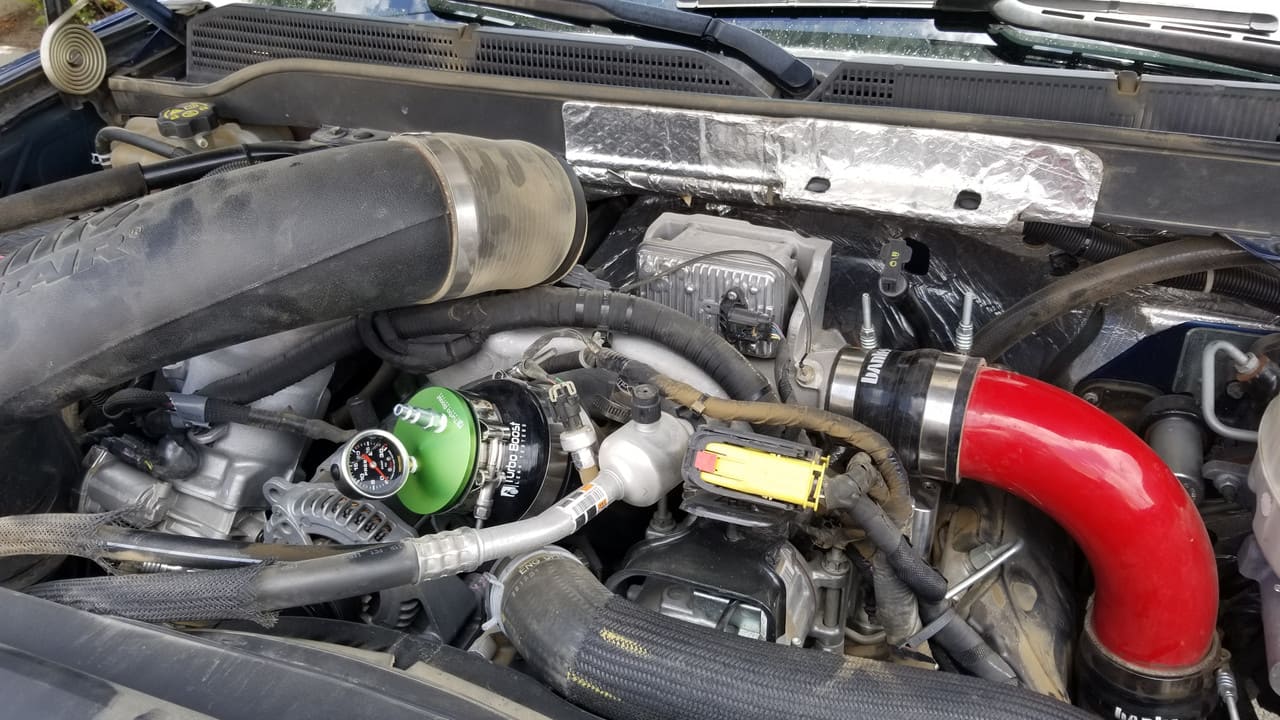

DPF stands for diesel particulate filter. When diesel engines consume fuel, they emit “particulates” in addition to exhaust gases. Diesel particulates are microscopic chemical particles that, when inhaled, are harmful to the environment and human health. DPF is an emission control device that arrests unwanted particles and soot from the exhaust gases to reduce their concentration in the environment. The DPF is installed within the exhaust system and collects particles in the exhaust gases. It then consumes them through regeneration cycles.
Purposes of DPF delete shops
DPF delete shops are a form of business that offer services for removing or deleting the Diesel Particulate Filter (DPF) from vehicles, some owners may choose to remove the DPF for various reasons, and these shops are available to satisfy their needs. The purposes of DPF delete shops include:
Increase engine power and performance
By removing or deleting DPF system from the vehicle it is noted that the performance of the vehicle is improved to some extent.
Improved power output
Enhancedfuel efficiency: deleting DPFfrom the device results in better fuel efficiency and sometimes consumption.
Avoid maintenance costs associated with the DPF
Reduced Maintenance Costs: DPFs can become congested over time with particles, leading to reduced engine efficiency and performance. Removing and cleaning of the particles from the engine. This leads to increase in the maintenance costs. By removing the DPF, maintenance costs can be reduced.
Emission Regulation Bypass:
In some regions, emission control regulations require vehicles to have functional emission control systems, including the DPF. However, some vehicle owners choose to delete the DPF to bypass these regulations and emissions testing requirements.
Off-Road or Racing Applications:
Some vehicle owners modify their vehicles for off-road or racing purposes where emission regulations might not be as strict. DPF delete shops may cater to this niche market by providing modifications that are not compliant with on-road emission standards.
Customization and Modification:
Vehicle enthusiasts and customization enthusiasts may seek to modify their vehicles for a variety of reasons, including aesthetics, uniqueness, and personal preferences. DPF delete could be a part of these broader customization efforts.
L5P DPF Delete Kit
After understanding the purpose of DPF delete shops here we are going to introduce a device or kit that is used for the same purpose.
Contents that can be deleted by L5P Delete Kit
L5P delete kit eliminates more than only the DPF system. When you destroy the DPF, you also delete the DOC, SCR, and DPF system. Because the SCR system has been removed, you will no longer require DEF fluid, thus it has also been removed.
- Diesel oxidation catalytic (DOC – this is its own exhaust pipe).
- SCR stands for selective cat reduction.
- Diesel exhaust fluid (DEF, when combined with SCR).
- DPF (Diesel Particulate Filter).
So, with the exception of the EGR, which is not within the exhaust, it eventually destroys every emissions system. A DPF delete kit is simply one piece of exhaust piping that bolts up to the downpipe and muffler, removing all emissions systems from the exhaust.
Advantages of L5P delete kit
- When turned, power gains in excess of 100whp are possible (gains are primarily due to tuning).
- Improvements in gas mileage range from 2 to 5 mpg.
- Improved turbo efficiency and dependability.
- Reduced exhaust gas temperatures.
- The backpressure in the exhaust system has been reduced.
- There will be no more DEF fluid.
- Increased dependability, and lower maintenance costs.
The one caveat to power gains from a DPF delete is that they are only significant if you are pushing the L5P to its limits. With the DPF system still in place, the L5P may easily exceed 800whp, therefore there’s no reason to remove it for performance purposes. There’s an argument to be made if you’re updating your turbo, but if you’re just adding bolt-ons to your L5P, you don’t need a delete.
DisadvantagesofL5P delete kit
With great benefits come great drawbacks. Getting rid of emissions systems is not a decision to be taken lightly. There are numerous strong reasons to keep your GM truck, including:
- Reduced resale value.
- The warranty has expired.
- Your truck will not be touched by the dealer.
- It is technically prohibited and can result in significant fines.
- Will not pass emissions testing.
- DIY installations are required (shops will no longer install these).
- Hazardous to the environment.
- It must be used in conjunction with a DPF tuner.
You may be unconcerned about the environmental damage. In such a situation, the trouble of dealing with an unlawful truck is the most compelling reason not to do it.
Conclusion:
It’s important to note that while DPF delete shops may fulfill these purposes for vehicle owners, the practice of removing DPFs is often considered illegal and environmentally harmful in many regions. Deleting the DPF can result in increased emissions of harmful pollutants and negatively impact air quality and public health. Additionally, engaging in DPF removal can lead to legal consequences and the invalidation of warranties.
