





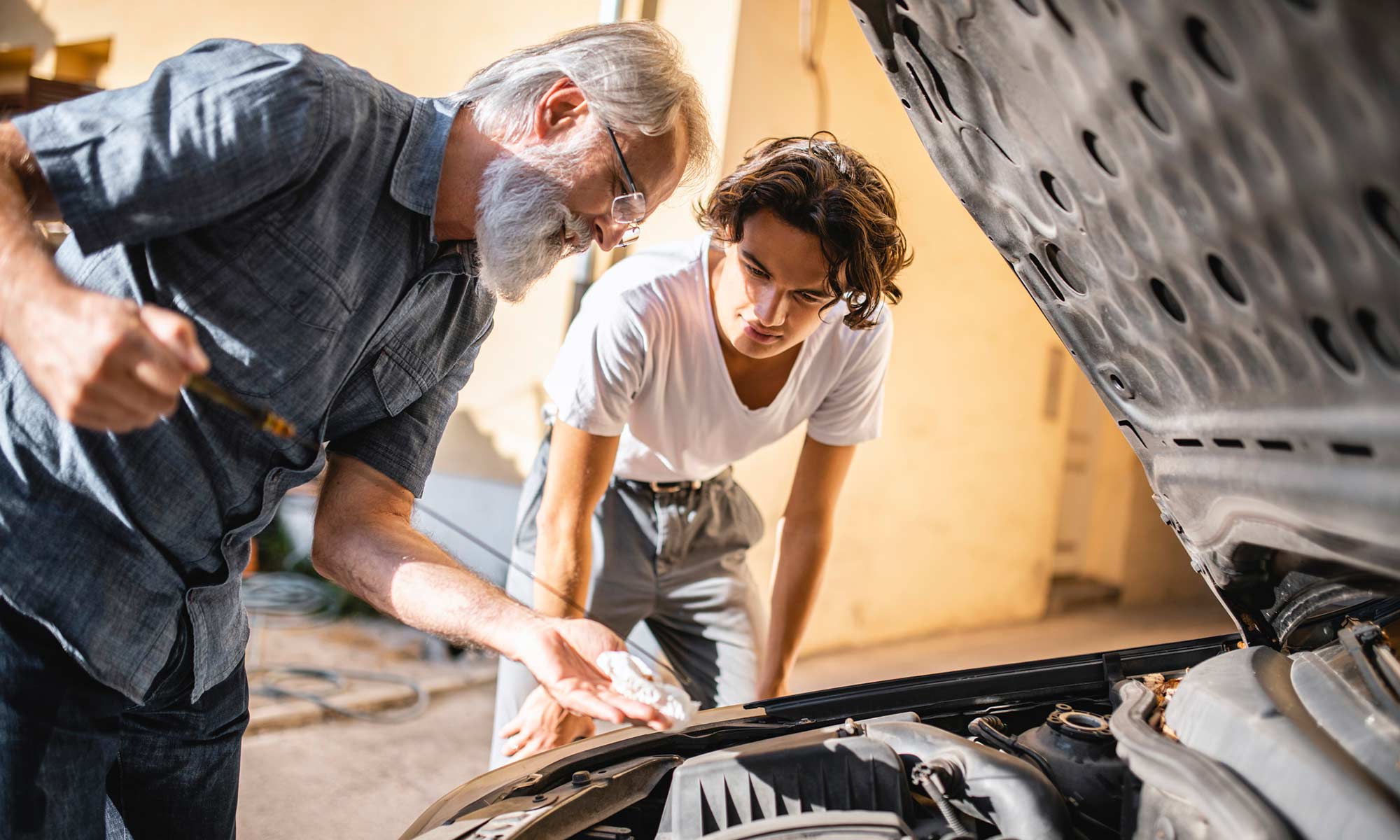


If you’re the owner of a used vehicle, you might be concerned about how to keep it running at its optimum. Trips to the garage and diagnostic checks can be expensive but there are ways in which you can perform some basic DIY maintenance at home.
Performing simple car checks can save you time and money and it doesn’t need to be daunting either. Having the skills and knowledge to carry out car DIY will also give you a sense of control and ownership over your vehicle. Plus, it can open up a wide range of options when it comes to purchasing a used car for sale.
Benefits of used car DIY
As well as huge cost savings, getting into the habit of undertaking basic car maintenance will mean you become more in tune with your vehicle, allowing you to understand when it’s not running as smoothly as it should.
Keeping on top of vehicle checks will help extend your car’s lifespan as well as help prevent any minor issues becoming bigger problems.
Essential DIY car maintenance tools
Before carrying out any vehicle checks, you’ll need to ensure you have the right tools for the job. Essential equipment includes wrenches to adjust nuts and bolts, oil filters, tyre pressure gauge, pliers, jack and air compressor.
While it might be costly to invest in these tools to begin with, you’ll save money on garage trips in the long term.
Routine maintenance tasks
There are a few factors you should regularly check on your used car. These include:
- Fluids – Coolant, brake and power steering fluid should all be checked regularly and you’ll need to top up your screen wash, especially during winter months.
- Oil – To change your oil filter you’ll need to find the sump plug and remove it to allow the old oil to drain out. Replace the plug and tighten with a wrench before changing the filter.
Lights – Make sure all your lights are functioning correctly, replacing any bulbs as necessary.
- Wipers – You should replace any broken or worn windscreen wipers.
- Tyres – Your tyres should have a tread of at least 1.6mm. You should also make sure they’re inflated to the correct pressure as per the vehicle manual.
Make sure your engine is cool before checking, topping up fluids or replacing parts to avoid injury. It’s also vital to consult your vehicle’s manual to ensure you use the correct products and tools for the job.
It’s wise to have major components such as brakes, the engine and radiator looked at by a professional so, unless you’re a trained mechanic, don’t try and attempt to fix these elements yourself.
And remember that, even with DIY vehicle maintenance, you’ll still need to take your car for regular services and an annual MOT to ensure it remains roadworthy.


