





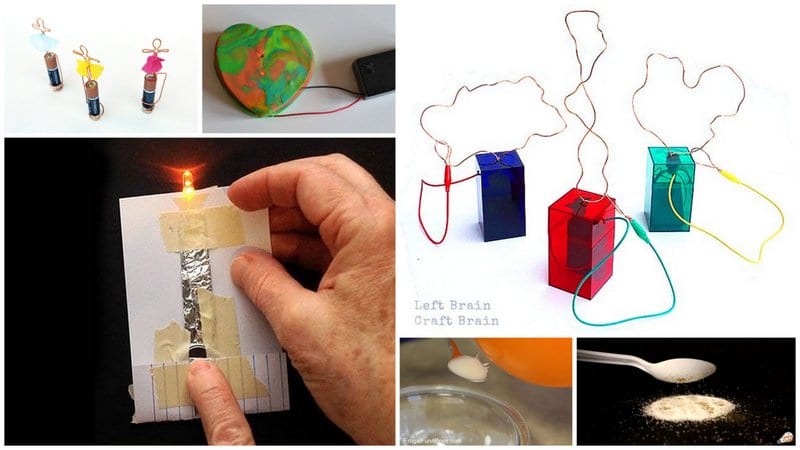


Engaging in do-it-yourself projects with your kids is not only a fun and creative way to spend time together, but also a great opportunity to teach them about how electricity works. By introducing basic electrical concepts in a hands-on and interactive manner, you can spark their curiosity and foster an understanding of this fundamental aspect of our modern lives. They may even take so much interest and become an Idaho Falls Electrician when they grow up! Here are some fun projects you can do at home with them to help get them learning all about electricity.
Building a Simple Circuit
One of the most fundamental concepts in electricity is a circuit. You can start by explaining what a circuit is and how it allows electricity to flow. Gather basic materials such as batteries, wires, and small LED bulbs. With your child’s help, connect the batteries and bulbs together using the wires to form a simple circuit. As they see the bulb light up, they will begin to grasp the concept of a complete circuit and the flow of electricity.
Creating a Lemon Battery
Transforming a lemon into a battery is not only educational but also a fascinating experiment for kids. Explain to them how the acid in the lemon acts as an electrolyte and enables a chemical reaction that produces electricity. With adult supervision, help your child insert a zinc-coated nail and a copper coin into the lemon. Connect a small LED bulb to these electrodes using wires, and watch as the lemon battery powers the light. This project demonstrates the conversion of chemical energy into electrical energy.
Constructing a DIY Electric Motor
Building a simple electric motor is a fantastic way to demonstrate the principles of electromagnetism. You will need a magnet, a battery, copper wire, a small piece of wood, and a paper clip. Help your child wrap the copper wire around the piece of wood to create a coil. Attach the paperclip to one end of the coil and bend it to form a rotating arm. Connect the wire ends to the battery, and when the arm touches the battery, the coil will rotate due to the magnetic field generated. This project showcases the interaction between electricity and magnetism.
Designing a Paper Circuit
A paper circuit is a creative way to introduce your child to the concept of circuits using conductive materials and paper. Gather copper tape, small LED bulbs, a coin cell battery, and construction paper. With your child, design a simple pattern or picture on the paper using the copper tape as the conductive path. Attach the LED bulbs along the tape, making sure the positive and negative terminals are connected correctly to the battery. When the circuit is complete, the bulbs will light up, illustrating how electricity can flow through different materials.
Exploring Static Electricity
Static electricity is a fascinating phenomenon that children can easily observe and experiment with. Teach them about the basics of static electricity by rubbing a balloon against their hair or a wool cloth and then observe how it attracts small pieces of paper or causes their hair to stand on end. This will help you be able to explain how electrons are transferred during this process, creating an imbalance of charges that leads to static electricity.
Safety Precautions
Remember, safety should always be a priority when conducting DIY electrical projects with children. Ensure adult supervision, use low-voltage batteries, and avoid working with live electrical outlets or high voltages. Emphasize the importance of not touching bare wires or components when the circuits are connected. This will be a great way to help them understand to be safe around all things that are electric in the future, especially as they use larger voltage items in the future.
Get To Learning!
By engaging in these easy and educational DIY electrical projects with your kids, you can ignite their interest in science and technology while teaching them about the wonders of electricity. Encourage them to ask questions, explore further, and connect the knowledge gained from these projects to the electrical systems they encounter in everyday life. Who knows, you might inspire the next generation of aspiring Idaho Falls Electricians, engineers, or inventors!


