





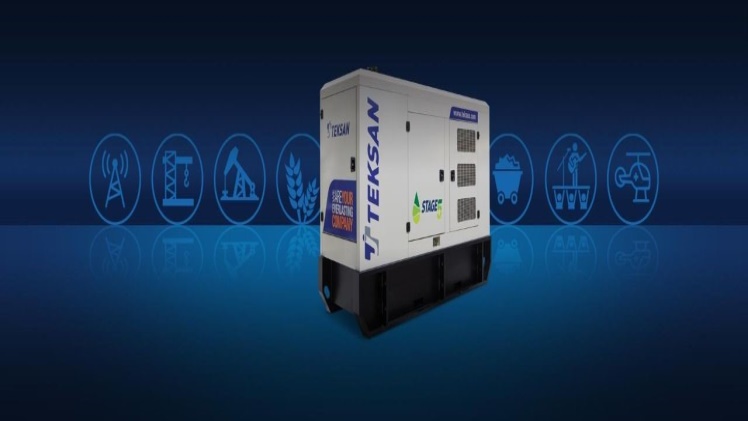


Diesel generators are a type of power generation system that uses diesel as the primary fuel source to produce electricity. Diesel generators are commonly used as backup power sources in case of power outages or as the primary power source in remote locations. In this guide, we will explore the ins and outs of diesel generators, including their benefits, applications, and the technologies used to implement them.
What is a Diesel Generator?
A diesel generator is a type of power generation system that uses diesel as the primary fuel source to produce electricity. The process involves the combustion of diesel fuel, which drives a turbine to generate electricity. Diesel generators can be used as the primary power source for buildings and homes, or as backup power in case of emergencies or power outages.
Benefits of Diesel Generators
Diesel generators offer numerous benefits over traditional power generation methods, including:
- Cost-Effective: Diesel fuel is often less expensive than other fuel sources, such as gasoline, which can help to reduce operating costs.
- Reliable Backup Power: Diesel generators can provide reliable backup power in case of emergencies or power outages, ensuring uninterrupted power supply.
- Longevity: Diesel generators have a longer lifespan compared to other types of generators, making them a cost-effective solution in the long run.
Applications of Diesel Generators
Diesel generators have a wide range of applications, including:
- Residential: Diesel generators can be used in homes to reduce energy costs and provide backup power in case of power outages.
- Commercial: Diesel generators are commonly used in commercial buildings, such as hospitals, data centers, and factories, to provide reliable backup power.
- Industrial: Diesel generators can be used in industrial applications, such as mining and oil and gas exploration, to provide reliable backup power and reduce energy costs.
Technologies Used in Diesel Generators
Diesel generators utilize a variety of technologies to convert diesel into electricity. Some of the key technologies used in diesel generators include:
- Diesel Engines: Diesel engines are commonly used in diesel generators to produce electricity.
- Control Systems: Control systems are used to monitor and regulate the diesel generator’s operations, ensuring that it runs efficiently and safely.
- Fuel Tanks: Fuel tanks are used to store the diesel fuel for the diesel generator.
Conclusion
Diesel generators are a reliable and cost-effective way to generate electricity by using diesel as the primary fuel source. They offer numerous benefits, including cost-effectiveness, reliable backup power, and longevity. Diesel generators have a wide range of applications, from residential to commercial and industrial. By utilizing a combination of technologies such as diesel engines, control systems, and fuel tanks, diesel generators are able to provide sustainable and reliable power generation for homes, buildings, and industries. You can visit the https://www.teksan.com/en/diesel-generator-sets/ address to review your products.


