





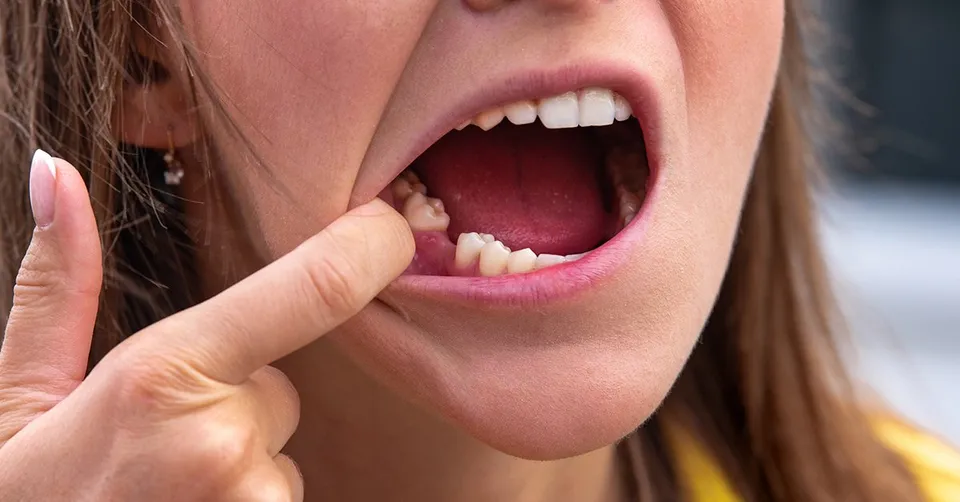


There are several options to fix missing teeth, depending on the extent of the damage, the location of the missing tooth, and the patient’s preference. Here are some common solutions:
- Dental Implants: Dental implants are a permanent solution for missing teeth. A dental implant is an artificial tooth root that is surgically implanted into the jawbone. Once the implant is fused with the bone, a dental crown is attached to the implant to replace the missing tooth.
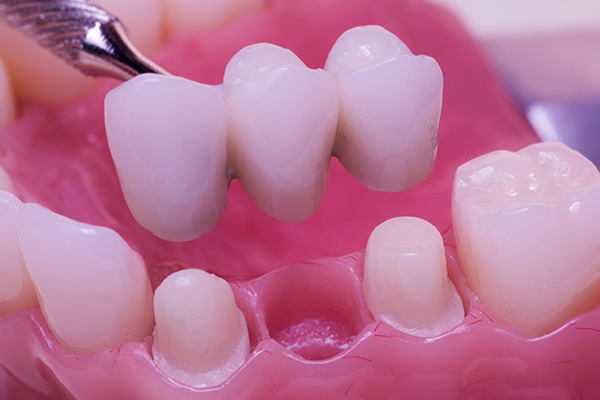
- Bridges: A dental bridge is a prosthetic device that is used to replace one or more missing teeth. A bridge is typically made of porcelain or ceramic and is held in place by two crowns that are attached to the adjacent teeth.
- Dentures: Dentures are removable prosthetic devices that are used to replace multiple missing teeth. They can be made of acrylic, porcelain, or a combination of both.
- Partial dentures: A partial denture is a removable appliance that is used to replace one or several missing teeth. They are usually made of acrylic and are held in place by clasps that attach to the adjacent teeth.
- Bonding: Bonding is a cosmetic dental procedure that uses tooth-colored composite resin to fill in gaps or spaces caused by missing teeth.
- Veneers: Veneers are thin, custom-made shells that are bonded to the front of the teeth to improve their appearance. They can be used to cover gaps caused by missing teeth.
It is important to consult with a dental professional to determine which option is best for you based on your individual needs and circumstances.

Advantages of Dental Implants
Dental implants offer several advantages over other tooth replacement options, including:
- Durability: Dental implants are a long-lasting solution to missing teeth. With proper care and maintenance, they can last a lifetime.
- Improved appearance: Dental implants look and feel like natural teeth. They are custom-made to match the color and shape of your surrounding teeth, so they blend in seamlessly with your smile.
- Better speech: Missing teeth can cause speech problems. Dental implants allow you to speak with clarity and confidence, without the fear of slippage or instability like traditional dentures.
- Improved comfort: Unlike traditional dentures or bridges, dental implants do not slip or move around in the mouth. This eliminates the discomfort and irritation commonly associated with these options.
- Better chewing ability: Dental implants function like natural teeth, allowing you to eat your favorite foods with ease and without any restrictions.
- Improved oral health: Dental implants do not require the reduction or alteration of surrounding teeth, unlike dental bridges. This helps to preserve the integrity of your natural teeth and gums.
- Convenience: Dental implants are a permanent solution that do not require any special care or maintenance beyond regular brushing and flossing.
Overall, dental implants offer a high success rate, function, and aesthetics that make it one of the most preferred options for tooth replacement.

Disadvantages of Dental Implants
While dental implants offer many advantages, there are some potential disadvantages to consider as well, including:
- Cost: Dental implants can be more expensive than other tooth replacement options, especially if multiple implants are needed.
- Time-consuming process: The dental implant process can take several months to complete, including the healing time after surgery. Patients will need to commit to several appointments throughout this process.
- Surgery risks: As with any surgical procedure, there are risks associated with dental implant surgery, such as infection, nerve damage, or implant failure.
- Bone loss: If a patient has experienced significant bone loss in the jaw due to prolonged tooth loss, additional procedures such as bone grafting may be necessary before implant placement.
- Maintenance: While dental implants do not require any special maintenance beyond regular brushing and flossing, they still require routine check-ups with a dentist to ensure they are functioning properly.
- Not suitable for everyone: Some individuals may not be candidates for dental implants due to underlying medical conditions, poor oral health, or smoking habits.
It is important to discuss these potential disadvantages with your dentist and weigh them against the benefits of dental implants to make an informed decision about the best tooth replacement option for you.
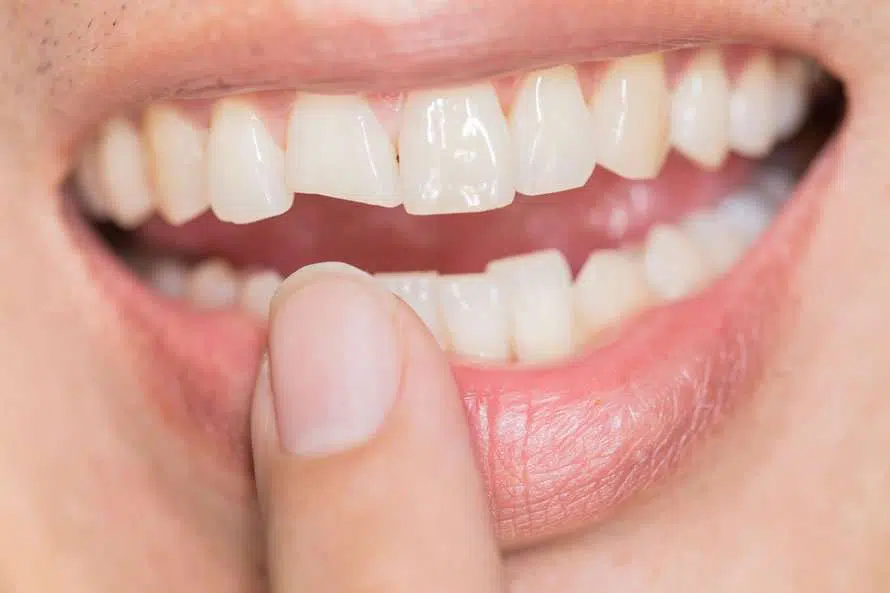

Fixed Dental Bridge Treatment
A fixed dental bridge is a dental restoration used to replace one or more missing teeth. It is called a “fixed” bridge because it is permanently cemented in place and cannot be removed by the patient. Here are the steps involved in fixed dental bridge treatment:
- Consultation: The first step is to consult with a dentist to determine if a dental bridge is the right treatment for your needs. The dentist will examine your teeth and gums, take X-rays and impressions, and discuss your treatment options with you.
- Preparation: The dentist will prepare the teeth on either side of the missing tooth by removing a small amount of enamel. This is necessary to make room for the dental bridge to be placed. An impression of the prepared teeth is then taken, which will be used to create the dental bridge in a dental laboratory.
- Temporary bridge: While the permanent bridge is being made, a temporary bridge will be placed to protect the prepared teeth and restore function and aesthetics.
- Fitting: Once the permanent dental bridge is ready, the temporary bridge is removed, and the new bridge is checked for fit and appearance. The dentist will make any necessary adjustments to ensure a comfortable fit.
- Cementation: Once the dental bridge is ready, it is cemented in place using a strong dental adhesive. The dentist will ensure that the bridge is securely attached and properly aligned with the surrounding teeth.
- Follow-up: After the dental bridge is placed, you will need to follow up with your dentist for regular check-ups and cleanings. Proper oral hygiene and regular dental visits are essential to maintaining the health and longevity of the dental bridge.
Overall, fixed dental bridge treatment is a popular and effective option for replacing missing teeth. It offers a natural-looking and durable solution that can improve both the function and appearance of your smile.
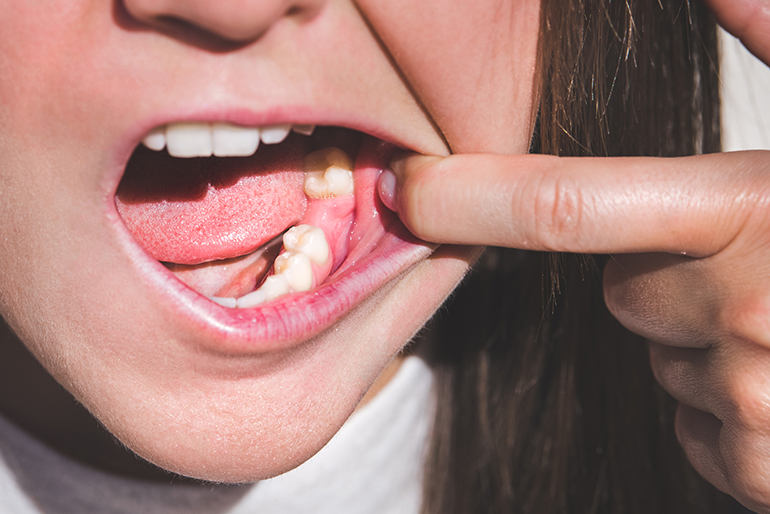

Advantages of Dental Bridges
Dental bridges offer several advantages as a tooth replacement option, including:
- Aesthetics: Dental bridges are custom-made to match the color, shape, and size of your natural teeth, making them a natural-looking replacement option that can improve your smile.
- Durability: With proper care and maintenance, dental bridges can last for many years, making them a long-lasting solution to missing teeth.
- Improved chewing and speaking: Dental bridges can restore the ability to chew and speak properly, improving overall oral function and quality of life.
- Prevents shifting of teeth: When a tooth is missing, the surrounding teeth can shift out of place, leading to bite issues and other dental problems. Dental bridges can help prevent this shifting and maintain proper alignment.
- Non-invasive: Unlike dental implants, which require surgery and the placement of an artificial tooth root, dental bridges are a non-invasive option that does not require any surgical procedures.
- Cost-effective: Dental bridges are often more cost-effective than other tooth replacement options, such as dental implants.
Overall, dental bridges are a popular and effective option for replacing missing teeth. They offer a natural-looking and durable solution that can improve both the function and appearance of your smile.
Also read: Top Practical Tips to Avoid Having Dermaplaning Regret
Disadvantages of Dental Bridges
While dental bridges offer several advantages, there are some potential disadvantages to consider as well, including:
- Additional tooth preparation: In order to place a dental bridge, the adjacent teeth on either side of the missing tooth must be prepared by removing some of the enamel. This process can weaken these teeth and make them more susceptible to decay or damage.
- Potential for decay: Because dental bridges are cemented in place, it can be difficult to clean thoroughly around them, increasing the risk of decay and gum disease.
- Shorter lifespan: While dental bridges can last for many years with proper care, they typically have a shorter lifespan than dental implants.
- Limited use: Dental bridges may not be a suitable option for replacing multiple missing teeth, as the bridge requires support from the adjacent teeth.
- Appearance: Although dental bridges are designed to look natural, some patients may not be satisfied with the appearance of the bridge and prefer a more permanent and natural-looking option such as dental implants.
- Inability to prevent bone loss: Unlike dental implants, which stimulate bone growth and prevent bone loss, dental bridges do not offer this benefit and may contribute to bone loss over time.
It is important to discuss these potential disadvantages with your dentist and weigh them against the benefits of dental bridges to make an informed decision about the best tooth replacement option for you.
Removable Partial Dentures Treatment
A removable partial denture is a removable dental appliance used to replace one or several missing teeth. Here are the steps involved in removable partial denture treatment:
- Consultation: The first step is to consult with a dentist to determine if a removable partial denture is the right treatment for your needs. The dentist will examine your teeth and gums, take X-rays and impressions, and discuss your treatment options with you.
- Preparation: If necessary, the dentist will prepare the remaining teeth for the partial denture by removing a small amount of enamel. This is necessary to make room for the partial denture to be placed.
- Impression: An impression of your teeth and gums is taken, which will be used to create the partial denture in a dental laboratory.
- Fitting: Once the partial denture is ready, the dentist will check the fit and appearance. Any necessary adjustments will be made to ensure a comfortable fit.
- Follow-up: After the partial denture is placed, you will need to follow up with your dentist for regular check-ups and adjustments. Proper oral hygiene and regular dental visits are essential to maintaining the health and longevity of the partial denture.
Overall, removable partial denture treatment is a popular and effective option for replacing missing teeth. It offers a removable, affordable, and non-invasive solution that can improve the function and appearance of your smile.
Advantages of Partial Dentures
Partial dentures offer several advantages as a tooth replacement option, including:
- Affordable: Partial dentures are often less expensive than other tooth replacement options, such as dental implants or fixed bridges.
- Non-invasive: Partial dentures do not require any surgical procedures or tooth preparation, making them a non-invasive option.
- Customizable: Partial dentures are custom-made to fit your mouth and match the color and shape of your natural teeth, making them a natural-looking replacement option.
- Removable: Partial dentures are removable, making them easy to clean and maintain.
- Restores oral function: Partial dentures can improve the ability to chew and speak properly, restoring oral function and improving quality of life.
- Prevents shifting of teeth: When a tooth is missing, the surrounding teeth can shift out of place, leading to bite issues and other dental problems. Partial dentures can help prevent this shifting and maintain proper alignment.
Overall, partial dentures are a popular and effective option for replacing missing teeth. They offer an affordable, non-invasive, and customizable solution that can improve both the function and appearance of your smile.
Disadvantages of Partial Dentures
While partial dentures offer several advantages, there are some potential disadvantages to consider as well, including:
- Comfort: Some patients may find partial dentures uncomfortable or difficult to wear, particularly during the adjustment period.
- Maintenance: Partial dentures require regular cleaning and maintenance to prevent decay and gum disease.
- Potential for damage: Partial dentures can break or become damaged if dropped or mishandled.
- Limited function: Partial dentures may not offer the same level of function as natural teeth or other tooth replacement options, such as dental implants or fixed bridges.
- Speech difficulties: Some patients may experience speech difficulties when wearing partial dentures, particularly during the adjustment period.
- Bone loss: Unlike dental implants, which stimulate bone growth and prevent bone loss, partial dentures do not offer this benefit and may contribute to bone loss over time.
It is important to discuss these potential disadvantages with your dentist and weigh them against the benefits of partial dentures to make an informed decision about the best tooth replacement option for you.
What’s The Impact of Missing Teeth?
Missing teeth can have several impacts on your oral health and overall well-being, including:
- Difficulty chewing and speaking: Missing teeth can make it difficult to chew properly, leading to digestive problems, and affect your speech.
- Shifting of teeth: When a tooth is missing, the surrounding teeth can shift out of place, leading to bite issues and other dental problems.
- Increased risk of tooth decay and gum disease: Gaps left by missing teeth can trap food particles and bacteria, increasing the risk of decay and gum disease.
- Jawbone loss: Teeth play a crucial role in stimulating the jawbone and maintaining its structure. When a tooth is missing, the jawbone can begin to deteriorate, leading to further tooth loss and facial changes.
- Changes in facial appearance: Missing teeth can cause changes in facial appearance due to bone loss and shifting teeth.
- Low self-esteem: Missing teeth can affect your confidence and self-esteem, leading to social anxiety and other psychological issues.
Overall, missing teeth can have a significant impact on your oral health, general health, and quality of life. It is important to seek treatment for missing teeth to prevent these potential consequences and maintain your oral and overall health.
How to Fix Missing Teeth?
There are several options to fix missing teeth, depending on the extent of the damage, the location of the missing tooth, and the patient’s preference. Here are some common solutions:
- Dental implants: Dental implants are a permanent solution for missing teeth. A dental implant is an artificial tooth root that is surgically implanted into the jawbone. Once the implant is fused with the bone, a dental crown is attached to the implant to replace the missing tooth.
- Bridges: A dental bridge is a prosthetic device that is used to replace one or more missing teeth. A bridge is typically made of porcelain or ceramic and is held in place by two crowns that are attached to the adjacent teeth.
- Dentures: Dentures are removable prosthetic devices that are used to replace multiple missing teeth. They can be made of acrylic, porcelain, or a combination of both.
- Partial dentures: A partial denture is a removable appliance that is used to replace one or several missing teeth. They are usually made of acrylic and are held in place by clasps that attach to the adjacent teeth.
- Bonding: Bonding is a cosmetic dental procedure that uses tooth-colored composite resin to fill in gaps or spaces caused by missing teeth.
- Veneers: Veneers are thin, custom-made shells that are bonded to the front of the teeth to improve their appearance. They can be used to cover gaps caused by missing teeth.
It is important to consult with a dental professional to determine which option is best for you based on your individual needs and circumstances.
Conclusion for Dental Tooth Replacement Options
In conclusion, there are several dental tooth replacement options available for patients, each with its own advantages and disadvantages.
Dental implants are a permanent and natural-looking solution for missing teeth, offering improved function, aesthetics, and oral health. However, they can be costly and require surgery.
Dental bridges are a popular and effective option that can improve the appearance and function of your smile. They are more affordable than implants, but they require the alteration of surrounding teeth, and have a shorter lifespan.
Dentures and partial dentures are non-invasive and affordable options that can restore the function and appearance of your smile, but they require regular maintenance, can cause discomfort, and may not offer the same level of function as natural teeth or other tooth replacement options.
Bonding and veneers are cosmetic options that can improve the appearance of gaps caused by missing teeth, but they are not suitable for everyone and do not address the functional problems caused by missing teeth.
Ultimately, the best tooth replacement option for you will depend on your individual needs, budget, and preferences. It is important to consult with a dental professional to determine which option is right for you and to maintain good oral hygiene and regular dental visits to ensure the longevity of your tooth replacement option. If you’re currently on the lookout for a reliable dental expert, you can check out the best dentist in Charlotte to get started.


