





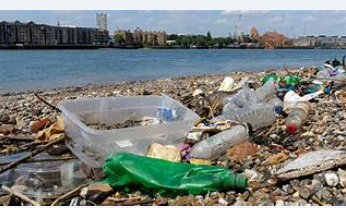


Plastic pollution in the ocean is problematic. The harmful effects of plastics on marine life and ecosystems cannot be overlooked. Plastic waste, such as single use bottles and bags, enters the ocean and causes harm both to organisms living in the ocean as well as their habitats. David Hastings discusses plastic pollution in the marine environment.
It is estimated that there are over 5 trillion pieces of plastic in the oceans, with over 250,000 tons of plastic floating on the surface. This fact paints a grim picture of the state of the marine environment.
Microplastics are also a substantial concern. These tiny particles, less than ¼ inch, come from the breakdown of larger plastics and plastic fibers from washing synthetic clothing. Microplastics can enter the food chain from filter feeders, such as clams, oyster, sponges, and corals, which filter ocean water. Microplastics are also ingested by various marine organisms, including zooplankton, microscopic animals in the ocean. These microplastic particles are everywhere! Where ever scientists have looked, they have found microplastics in the marine environment.
Causes Of Plastic Pollution In The Marine Environment
There are various reasons that result in plastics entering the ocean. Human activities, such as improper disposal of household and industrial waste, are a major part of the problem. Fishing activities also contribute substantially to plastics in the ocean; lost or abandoned fishing nets, and other fishing gear contribute to plastic waste. It is essential to address these causes to mitigate the detrimental effects on marine ecosystems.
Improper Waste Disposal
Improper trash disposal is a major part of the plastic problem. When garbage is not disposed of properly, it can end up in rivers and streams – and then flow into the ocean. This leads to a build-up of plastic, which affects marine life and can be an aesthetic concern, especially when the plastic waste ends up on beaches.
The wrong way to dispose of plastic includes dumping it on the ground or in the water with no proper containment. People may not fully understand how long most plastic takes to decompose; most plastic remains in the environment for hundreds of years before degrading, and even the tiny pieces that remain can be harmful to marine organisms.
Industrial And Commercial Activities
Industrial and commercial activities play a significant role in the pollution of our oceans. These activities involve producing, using, and disposing of many synthetic materials.
Manufacturing, packaging, and construction industries have heaps of single-use plastic products: bottles, bags, and packaging materials. These items often end up outside the normal waste stream, and find their way to rivers and, ultimately, the ocean.
Impact Of Plastic Pollution On Marine Life
- Plastics have the potential to harm marine life, impacting a wide variety of species, large and small.
- The detrimental effects include entanglement in debris, ingestion of synthetic particles, and disruption of ecosystems. Such contamination poses a grave threat to the survival and well-being of marine organisms.
- Additionally, pieces of plastic can release harmful chemicals and toxins, contaminating the marine environment. This issue demands immediate action to prevent further deterioration of our oceans and protect marine ecosystems.
Entanglement And Ingestion
Entanglement and ingestion are two significant issues caused by synthetic pollution in aquatic ecosystems. Animals including whales, dolphins, sea turtles, seals, and seabirds can become trapped in discarded, lost or abandoned fishing gear. This leads to injuries, death, and disruption of breeding behaviors.
Additionally, they often mistake plastic fragments for food, which can damage internal organs and cause nutrient deficiencies.
Ecosystem Disruption
Plastic pollution wreaks havoc on marine ecosystems. Plastics, including microplastics, are ingested by zooplankton, fish, and mammals. These cause damage to internal organs and can leach harmful chemicals. Plastic debris alters habitats and disrupts natural processes, smothering and suffocating coral reefs. This impairs growth and reproduction, affecting entire food webs.
Pollution also reduces biodiversity, as species lose suitable nesting and feeding grounds. We must take action now to protect our oceans and prevent further harm. We need to reduce the use of single-use plastics, dispose of trash properly, and support initiatives that promote recycling. By doing so, we can preserve our oceans for generations.
Introduction Of Harmful Chemicals
Harmful chemicals are another threat to marine life, causing severe damage to the ecosystem. These toxic substances enter the ocean via industrial waste, agricultural runoff, and improper disposal of household products. As they enter the ocean, they affect marine organisms, resulting in severe health impacts.
These chemicals can disrupt essential biological processes. For instance, synthetic compounds like phthalates and BPA found associated with plastics can interfere with hormones in marine species. This can lead to reproductive problems, stunted growth, weakened immune systems, and increased disease susceptibility.
Global Efforts To Combat Plastic Pollution
Efforts across the globe to address the issue of plastics and toxins in the marine environment have gained significant attention. Numerous initiatives and policies have been implemented to tackle this pressing problem. For instance, governments have introduced regulations to limit the production and use of single-use plastics. At the same time, organizations and individuals have actively participated in beach cleanup campaigns and plastic recycling initiatives. These collective efforts aim to reduce the amount of plastic waste entering our oceans and preserve the health of marine ecosystems.
International Agreements And Legislation
Global efforts to reduce plastics in the marine environment rely on international agreements and legislation. These serve as guidance for countries, establishing binding rules. Furthermore, they create a unified front against this pressing issue.
Such agreements provide a platform for collaboration, exchanging ideas, and sharing best practices. Countries come together to set targets and coordinate efforts to reduce plastic waste generation and improve waste management systems.
Plastic Waste Management Initiatives
Global concern over plastic waste management has risen in recent years. Measures have been taken at both local and international levels to tackle this persistent issue. Single-use plastic items, like bags, straws, and cutlery, have been banned or restricted in many countries. This helps to reduce plastic waste created every day.
Recycling facilities have been set up in many regions. Plastics are separated, cleaned, and transformed into new products. This decreases our reliance on virgin plastics and stops plastics from filling landfills and oceans.
Innovations In Plastic Alternatives
The global fight against plastics in the ocean has seen a key focus on innovations in alternatives. Researchers and entrepreneurs are creating new materials and technologies to replace traditional polymers used in plastics. These offer sustainable options without compromising convenience or functionality.
Education And Awareness For Plastic Pollution Prevention
Education and awareness for plastic pollution prevention, crucial in combating plastic toxins, aims to educate individuals and promote actions to reduce plastic waste. It emphasizes the importance of understanding the detrimental effects of plastics in marine ecosystems and the urgent need for more sustainable practices. David Hastings shares some ideas to prevent this and increase awareness.
- Raising Awareness: Engaging communities through educational campaigns, public forums, and media platforms creates consciousness about the impact of plastics. Such initiatives effectively disseminate information and foster environmental stewardship.
- Implementing Environmental Education: Incorporating single use plastic prevention into school curricula equips students with the knowledge and skills to adopt eco-friendly habits, encouraging responsible consumption and waste management.
- Citizen Science Initiatives: Involving the public in data gathering and monitoring projects empowers individuals to actively contribute to plastics research, promoting a sense of ownership and collaboration in finding solutions.
- Partnerships and Collaborations: Building alliances with NGOs, government agencies, businesses, and other stakeholders amplifies the reach and impact of plastic prevention efforts. Collaborative action fosters innovative solutions and resource sharing.
Importance Of Education In Schools And Communities
Education is critical to raising awareness of plastic pollution’s damaging effects. It gives individuals the understanding to make informed decisions and take action to stop it.
People learn about the impacts on ecosystems, wildlife, and human health. This gives them the ability to make sustainable choices in their daily life.
Education also encourages responsibility and stewardship of the environment. It motivates individuals to participate in efforts to prevent plastic toxins. Schools and communities must unite to create a collective consciousness that encourages responsible behavior.
Promoting Sustainable Lifestyle Choices
Promoting sustainable lifestyle choices to combat single use plastics is essential. Raising awareness and educating people can encourage eco-friendly habits. Making conscious decisions about packaging, purchasing reusable products, and opting for sustainable alternatives can reduce plastic waste. Supporting local businesses that prioritize sustainability can positively affect our environment. Embracing a sustainable lifestyle benefits us and contributes to preserving our planet for future generations.
Engaging With Local And Global Organizations
Combating single use plastic and plastic waste requires collaboration with local and global organizations. These groups bring together resources and expertise to create large-scale solutions. Local organizations understand and can tailor initiatives for community needs. International organizations offer knowledge sharing and coordination with a broader movement.
Local groups can provide educational programs, promote sustainable practices, and facilitate recycling and waste management. Global organizations offer networks, best practices, innovative ideas, and research findings. Pooling together knowledge and experience allows for effective strategies beyond individual efforts.


