







Homeowners now have the chance to transform their living spaces into intelligent, automated surroundings thanks to the advent of home automation systems like Control 4. Nevertheless, this automation technology is still new to most homeowners; but not to worry, we’ve created this article to enlighten everyone about home automation systems. In this article, we’ll discuss the concept of home automation, what it involves, and everything in between.
What Is Home Automation?
Home automation refers to the integration of technology and smart devices within a household to automate and streamline various tasks and functions. Tasks like controlling lights and temperature, monitoring security cameras, opening and locking doors, and even controlling appliances can be done remotely through home automation systems. Basically, this system provides convenient living and better security to homeowners. It’s a technology that brings a new level of customization and adaptability to our living spaces
What Does Home Automation System Entail and How They Work
A home automation system involves a couple of components that work together to make the system functional.
-
Sensors
An essential component of a home automation system is the sensors. They are in charge of compiling information and spotting environmental changes. They are in various forms and designed to pick up different signals like movement, light, and others. Typical examples of commonly used sensors are motion sensors; light sensors; temperature sensors; and door sensors. These sensors provide information that triggers actions or adjustments in the system based on preset information according to user preferences.
-
Controllers/Devices
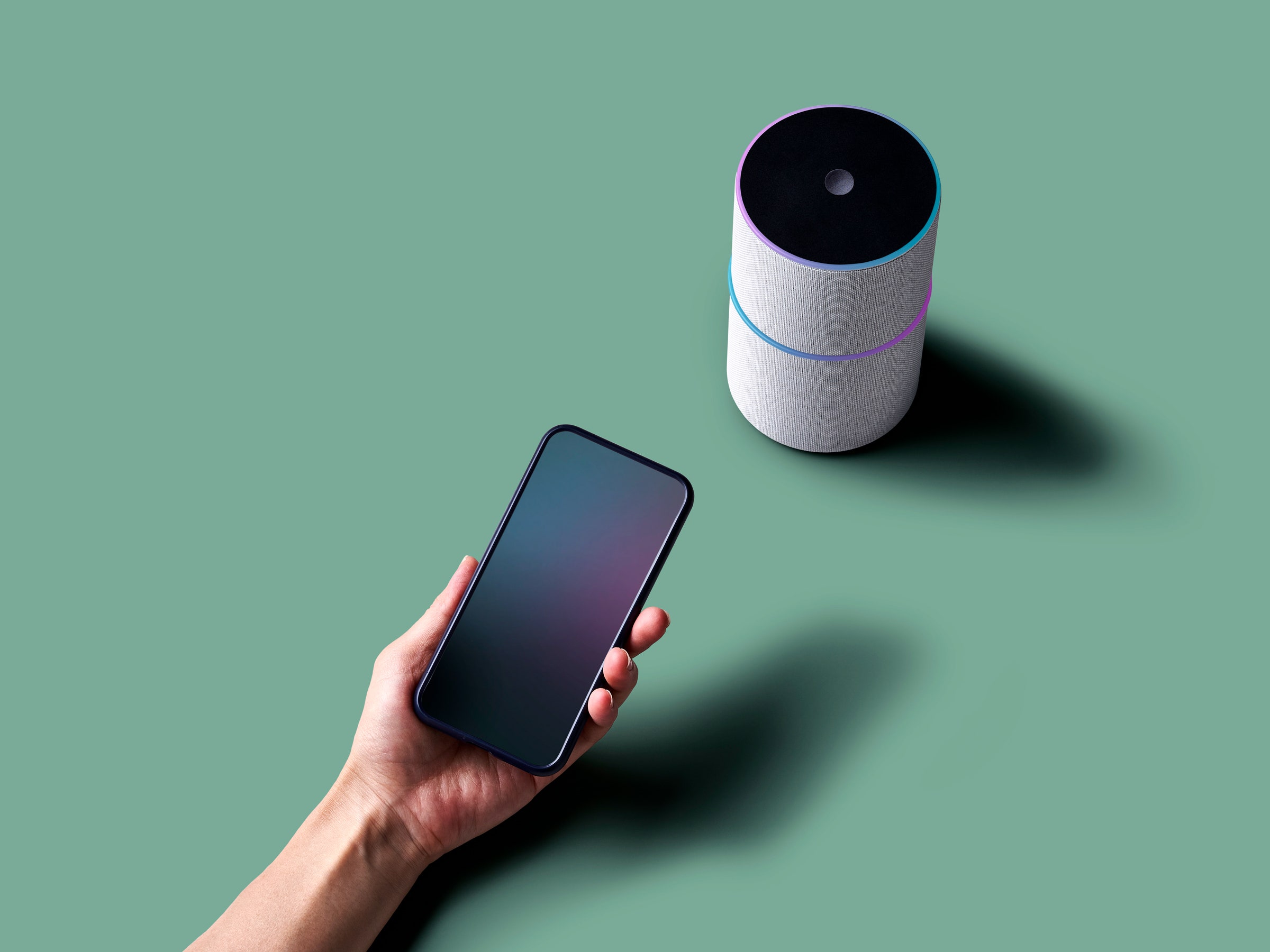
Controllers or devices are the central units that collect the data provided by sensors. They process the information and send instructions to the actuators to manage various aspects of the home according to the user’s preference. The controller of home automation systems can be in the form of a centralized hub–a dedicated home automation panel; or even a software-based application installed on a smartphone or tablet. Additionally, integration with voice assistants allows users to control their smart-connected devices through voice commands.
-
Networks
Networks are the communication channel that allows devices within the home automation system to transmit commands and information. Some of these networks could require internet access; others might not. You could use your Wi-Fi network with an internet connection or Zigbee or Zwave, which doesn’t require an internet connection. Whichever network you use, the goal is to enhance smooth connection and transmission of information between devices and appliances.
-
Actuators
Actuators are the components that bring the received information to life. In response to the controller commands, the actuators perform the exact action needed. They perform tasks like adjusting temperature settings; opening or shutting the curtains; adjusting temperature settings; and a host of others. Typical examples of actuators in a home automation system are smart switches; motorized blinds; smart locks, and smart thermostats.
All these components work their magic through a fascinating combination of monitoring, control, and automation.
Benefits Of Home Automation System
-
Energy Efficiency
Home automation can significantly improve energy efficiency, leading to cost savings and environmental benefits. Through the use of automated control over lighting, heating, and cooling systems, it becomes easier to optimize energy usage. You can easily schedule and adjust your appliance usage, which in turn helps you cut down energy bills.
-
Convenience
Imagine being able to control and monitor various aspects of your home with a simple click on your smartphone or a voice command to your smart speaker. Cool, right! This is what home automation systems can help you achieve. You can control your lights, door locks, and many others through your remote control (mobile application or voice assistant device).
-
Security
Security systems and devices can also be integrated into home automation systems. Devices like security cameras, motion sensors, and smart locks can receive instance commands with a click from your remote control device. As such, you can fortify the security of your home.
-
Comfort and Personalization
Home automation allows you to create personalized and comfortable living environments tailored to your preferences. Set up customized scenes or routines that automatically adjust multiple devices simultaneously. It’s like having a smart butler catering to your needs, creating the perfect ambiance for any occasion.
From convenience and energy savings to security and personalization, the benefits are numerous. So why hold back from enjoying all these? Embrace the power of automation today, and unlock a world of possibilities that will enhance your lifestyle and make your home smarter, more efficient, and more enjoyable.


