

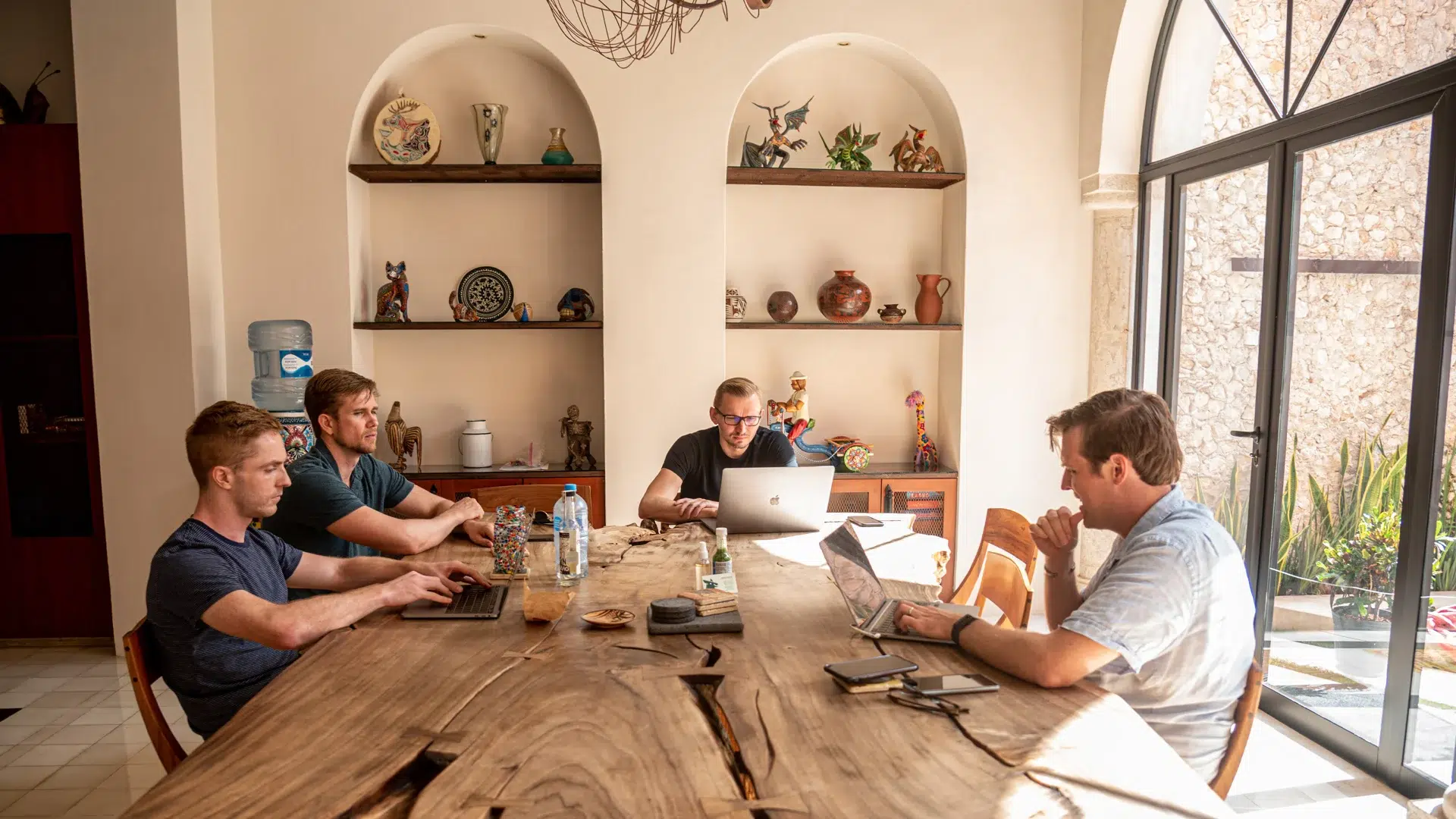

The way people live is constantly evolving, shaped by societal changes, economic factors, and individual preferences. In recent years, a new housing concept has emerged – co-living. Co-living refers to a housing arrangement where individuals with shared interests, values, or goals choose to live together in a community. This trend has gained momentum, particularly in urban areas, raising the question of whether co-living is a passing fad or a long-term shift in how we approach housing.
The Rise of Co-living:
The rise of co-living can be attributed to several factors. In urban centers, housing costs are soaring, making it increasingly challenging for individuals, especially young professionals and students, to afford private living spaces. Shared living roommates offer a solution to this problem by providing a more affordable alternative through shared spaces and resources.
Moreover, the modern workforce is characterized by flexibility and a preference for experiences over possessions. Young professionals often prioritize mobility and experiences, and co-living aligns well with these values. The social aspect of co-living is another driving force – people are drawn to the idea of living with like-minded individuals, fostering a sense of community in an increasingly individualistic society.
Advantages of Co-living:
Affordability:
Co-living addresses the financial challenges associated with renting or owning a home, especially in expensive urban areas. By sharing living spaces, individuals can significantly reduce their housing expenses.
Community and Social Connection:
One of the key attractions of co-living is the opportunity to build a community. Living with others who share common interests or goals can lead to meaningful connections and a sense of belonging, countering the isolation often experienced in traditional living arrangements.
Flexibility:
Co-living often comes with flexible lease terms, allowing residents to adapt to changing life circumstances without the rigidity of long-term leases. This flexibility is particularly appealing to those with dynamic careers or lifestyles.
Shared Resources:
Co-living spaces typically include shared amenities and resources, such as common kitchens, living areas, and recreational spaces. This not only reduces individual costs but also promotes a more sustainable use of resources.
Safety and Security in Co-living:
A crucial yet often overlooked aspect of co-living is the enhanced safety and security that it can offer residents. In traditional living arrangements, individuals may feel isolated or vulnerable, especially in densely populated urban areas. Co-living spaces, on the other hand, often come equipped with advanced security features and systems. The presence of a close-knit community fosters a sense of collective responsibility, with residents looking out for one another. This communal vigilance not only deters potential security threats but also provides a reassuring environment, particularly for individuals who may be new to a city or neighborhood. The shared responsibility for safety within a co-living community contributes to a holistic sense of well-being, making it an attractive proposition for those prioritizing security in their housing choices.
Modern Living Spaces for the Contemporary Lifestyle:
In addition to addressing affordability and community needs, co-living spaces often embrace modern design principles, creating living environments that cater to the contemporary lifestyle. The design of these spaces is often centered around functionality, efficiency, and aesthetics. Residents can enjoy the benefits of shared, well-designed common areas that encourage social interaction and collaboration. Modern co-living spaces also integrate technology seamlessly, providing smart home features that enhance convenience and connectivity. From high-speed internet to automated climate control systems, these technological integrations contribute to a more comfortable and streamlined living experience. On-site maintenance can perform repairs and upgrades (see here for more information). The emphasis on modern design not only reflects the preferences of the younger demographic but also positions co-living as a choice that aligns with the expectations of those seeking a dynamic and technologically advanced living space.
Challenges and Criticisms:
Despite its growing popularity, co-living faces challenges and criticisms that may impact its long-term sustainability.
Privacy Concerns:
Sharing living spaces inevitably means sacrificing some level of privacy. This aspect can be a deal-breaker for individuals who value personal space and solitude.
Quality of Living Spaces:
Critics argue that co-living spaces may compromise on the quality of living conditions. Limited personal space and the potential for noise and cleanliness issues can detract from the overall living experience.
Temporary Nature:
Co-living is often perceived as a temporary living arrangement, suitable for a specific phase of life. This perception may hinder its adoption as a long-term housing solution for a broader demographic.
Limited Diversity:
Some co-living communities may lack diversity in terms of age, background, and interests. This can lead to a homogeneous living environment, limiting the richness of communal experiences.
Is Co-living a Fad?
The term “fad” implies a temporary and often frivolous trend that fades away over time. While co-living does exhibit some characteristics of a trend, it also addresses fundamental challenges in the current housing landscape, suggesting a more lasting impact.
Addressing Housing Affordability:
The affordability crisis in urban housing is a persistent issue, and co-living provides a practical solution. As long as housing costs remain high, the demand for affordable alternatives like co-living is likely to endure.
Changing Values and Lifestyles:
The values and lifestyles of the younger generation are shifting towards experiences, community, and flexibility. Co-living aligns with these changing preferences, indicating that it may have a more enduring appeal.
Evolution of the Workforce:
With remote work becoming increasingly prevalent, the workforce is no longer tied to specific geographic locations. Co-living, with its emphasis on community and flexibility, complements the evolving nature of work, making it a relevant choice for a broader demographic.
Growing Industry Investment:
The co-living industry has attracted significant investment from real estate developers and investors. This financial support suggests that stakeholders view co-living as a viable and potentially lucrative long-term venture.
Long-term Potential and Evolution:
To gauge the long-term potential of co-living, it’s crucial to consider its adaptability and evolution. As the concept matures, co-living spaces are likely to address criticisms and incorporate innovative solutions, making them more appealing to a diverse range of individuals.
Customization and Variety:
Future co-living spaces may offer more customization options to cater to different preferences. This could include a range of living arrangements, from more communal setups for those seeking a strong sense of community to more private configurations for those valuing individual space.
Technology Integration:
The integration of smart home technology can enhance the co-living experience by addressing privacy concerns and optimizing shared spaces. Innovations in home automation and security can contribute to a more comfortable and secure living environment.
Sustainability Initiatives:
Co-living communities may place a greater emphasis on sustainability, incorporating eco-friendly practices and design elements. This not only aligns with the values of environmentally conscious individuals but also contributes to the long-term viability of co-living.
Co-living has emerged as a response to the changing dynamics of urban living, offering a solution to the challenges of affordability, community building, and flexibility. While criticisms exist, the long-term potential of co-living appears promising, fueled by evolving societal values, the changing nature of work, and the need for practical housing solutions.
Whether co-living becomes a lasting trend or evolves into a mainstream housing option will depend on its ability to address challenges, embrace innovation, and cater to the diverse needs of individuals. As the concept continues to mature, it has the potential to redefine the way we approach communal living, leaving a lasting impact on the future of housing.
