





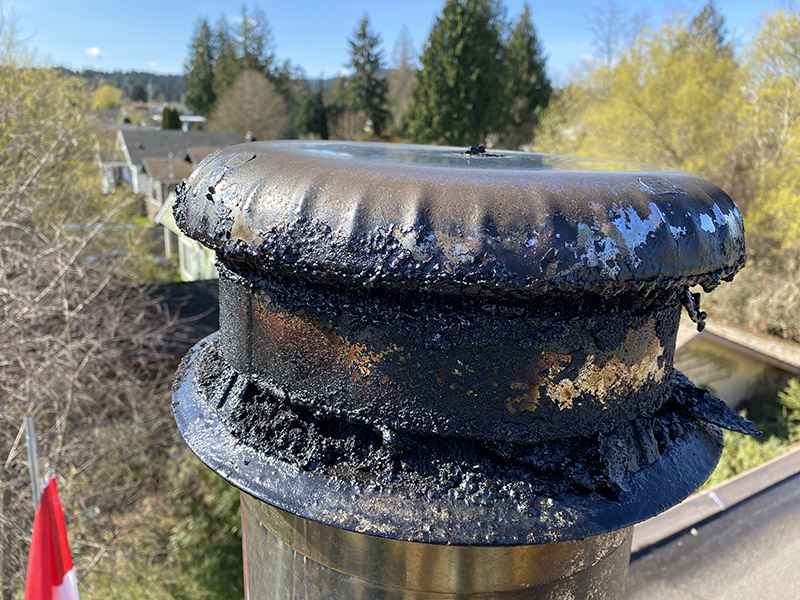


Chimney sweeping may seem like the perfect DIY project – what’s more fun than getting up on a ladder and poking around a soot-filled chimney? But the truth is, a professional should handle the job unless you don’t mind creating a bigger mess than when you started. And not any old pro – you need a certified chimney professional,
For a start, you can schedule a chimney sweep in Portland by calling Willard Power Vac – a certified and top-rated firm (as their Google reviews show) with a rich heritage dating back to 1975 (before many of us won the race of conception!). In short, you can count on the firm to deliver on their promise to protect your chimney by keeping it clean.
But how often should you do it? Well, the National Fire Protection Association recommends that a professional should sweep your chimney at least once a year, regardless of the chimney type. Meanwhile, the CSIA (Chimney Safety Institute of America) states that if you notice 1/8″ of sooty buildup in your flue or chimney, consider doing the necessary. Also, if an inspection reveals a glaze in the flue, you shouldn’t wait to call in a chimney sweep service provider.
If you like to play it safe and abide by the rules, you may consider scheduling a chimney sweep twice a year. Preferably, do this after the cold winter months and before autumn rolls around. This way, you can avert chimney problems caused by a blockage. Let’s delve deeper and examine the various aspects that may contribute to the frequency of chimney sweeps.
The Materials You Burn
How does the fuel you use affect how often you clean your chimney? Well, it comes down to science – not the boring kind. You see, various types of fuel produce different kinds of residue. For instance, hardwoods like oak and birch burn cleaner and leave behind less buildup, while softwoods like pine and spruce create a sticky, tar-like substance that clings to your chimney walls like a koala to a eucalyptus tree. If you’re a pine person or burn oil in your fireplace, consider getting your chimney swept at least twice a year.
The moisture content of wood is also critical. Dry wood produces less creosote, so if you buy kiln-dried firewood, consider a single annual sweep. Conversely, if you burn wet wood, you’ll need to clean your chimney more regularly.
While we’re on the topic of residue, let’s talk about creosote, albeit briefly. This nasty by-product of burning fuel has the potential to clog up your chimney and cause a nasty fire if left unchecked. In fact, roughly 25,000 chimney fires occur in the U.S, leaving a long trail of destruction.
Usage
Do you fire up your fireplace whenever temperatures take a dip? If so, you’ll probably want to schedule a chimney sweep at least annually. Conversely, an annual inspection is generally sufficient for those who only light the fire on special occasions.
That said, an inspection should suffice even if you don’t use the fireplace. Why? Your chimney creates a sheltered (conducive) environment for unwanted guests like birds, and bats. Their droppings and nests can cause blockages, let alone the general mess they make. Besides, the foul odor they leave behind is enough to turn your home into a haunted house. Hence, a chimney sweep could be in order to prevent critters from making a home in your chimney.
Also, if you use a multi-fuel stove, get it serviced to ensure it runs efficiently. If your stove isn’t operating optimally, it can cause environmental issues and a significant buildup of soot and creosote.
Type of Home
If you live in a wooded area, getting your chimney swept more often might be advisable. Leaves and twigs may fall into the chimney and cause blockages that regular cleaning would otherwise prevent.
Likewise, thatched roofs can be a source of blockages and should prompt you to schedule a more frequent sweep. In fact, your insurer may require you to sweep your chimney quarterly if you have such a home or if your area is prone to bird invasion or debris. Check with them to know more.
Think of a chimney sweeping as you do a hair appointment or car service. It’s a necessary part of home maintenance, and it pays to ensure your chimney is ready to go before the biting cold sets in. That way, you can enjoy your cozy fireside, knowing your chimney won’t disappoint you. But if you’ve moved into your home and don’t know when the chimney was last swept, it won’t hurt to get it done sooner rather than later.


