




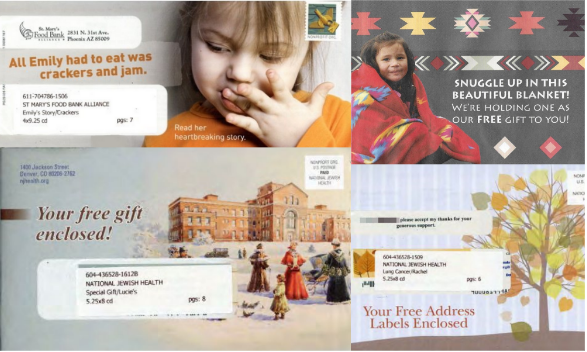


To think about the effectiveness of conventional direct mail marketing may seem paradoxical. However, charitable organizations continue to have success connecting with and establishing support bridges with their supporters through direct mail. In addition to providing chances for narrative, donor segmentation, and long-term relationship development, direct mail campaigns offer a real and personal approach that may connect contributors more deeply. This article will examine the possibilities of nonprofit direct mail marketing and the tactics that businesses may use to increase their effectiveness.
I. The Power of Tangibility: Connecting with Donors on a Deeper Level
The force of tangibility gives direct mail marketing a distinct advantage over their digital equivalents. Physical mail stands out in a world flooded with virtual messages, requiring concentration and appealing to numerous senses. A donor is more likely to notice and develop a personal connection with the cause when they have a personalized letter or a professionally produced brochure in their hands. Nonprofit direct mail may leave a physical reminder of their goal and effect thanks to the tactile nature of direct mail.
II. Storytelling: Evoking Emotions and Inspiring Action
The capacity to deliver engaging tales is one of a nonprofit’s most effective weapons. Organizations may share stories that touch donors’ hearts by using direct mail campaigns as a platform for storytelling. Nonprofits may provoke feelings and motivate action by including personal tales of beneficiaries or displaying the transforming experiences of those affected by their work. An effective direct mail piece may immerse contributors in the organization’s environment, allowing them to connect with the organization’s mission and understand the value of their contributions.

III. Donor Segmentation: Tailoring Messages for Maximum Relevance
Effective donor segmentation is a key component of direct mail programs that are successful. Nonprofits may adapt their messaging to guarantee optimal relevance by classifying supporters based on numerous characteristics such as donation history, involvement level, or demographic data. By addressing the individual interests, worries, and motives of contributors through segmentation, organizations increase the likelihood of grabbing their attention and evoking a reaction. Personalized direct mail may strengthen the link with supporters by drawing attention to a specific initiative that matches their passions or by thanking them for previous donations.
IV. Design and Visual Appeal: Capturing Attention and Enhancing Engagement
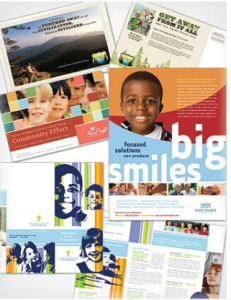
Aesthetics are important in the world of direct mail marketing. A mail piece’s aesthetic attractiveness and design may have a big impact on how successful it is. Colors that catch the recipient’s eye, interesting visuals, and well-organized layouts can hold their interest and compel them to read more of the material. To guarantee that their direct mail brochures are visually appealing and successfully communicate the organization’s brand identity, nonprofits must invest in expert design services. Nonprofits may improve donor engagement and raise the chance of ongoing support by developing aesthetically appealing mailings.
V. Personalization: Making Supporters Feel Valued and Appreciated
Personalization of messaging is one of the main benefits of direct mail marketing. Nonprofits may engender a sense of worth and appreciation in their supporters by addressing them by name and tailoring the message to their individual interests. Beyond merely providing the donor’s name, personalization includes acknowledging their unique contributions, significant accomplishments, or even sending handwritten letters of appreciation. Donors are more likely to create a sense of loyalty and sustain their support in the long run when they feel appreciated and understood.

VI. Integrated Campaigns: Amplifying the Impact of Direct Mail
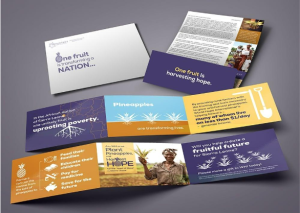
While direct mail campaigns can be effective on their own, by combining them with other forms of communication, their influence can be increased. Nonprofits may develop coordinated and multifaceted campaigns by integrating direct mail with digital channels including email, social media, and online donation pages. Organizations may strengthen their messaging, reach a larger audience, and offer various touchpoints for donor interaction with integrated campaigns. For instance, a direct mail letter may urge recipients to visit a specific online contribution website or promote the campaign on social media. Nonprofits may improve the exposure and efficiency of their direct mail operations by coordinating the use of several channels.
VII. Tracking and Measurement: Evaluating Campaign Success
Nonprofits need to set up systems for tracking and measuring direct mail initiatives in order to take full use of their potential. Organizations can directly link donations and answers to their direct mail campaigns by employing special codes or customized URLs. This information offers useful insights into the efficacy of various techniques, enabling NGOs to improve their strategy and future campaigns. Tracking can also assist in identifying trends, preferences, and donor behavior, allowing organizations to better target their future communications and appeals.
VIII. Long-Term Relationship Building: Nurturing Donor Engagement
Successful direct mail campaigns go beyond asking for funds right away. They enable the development of enduring bonds with contributors. Direct mail may be used by nonprofits to foster involvement, cultivate loyalty, and manage donations. Through personalized mailings, donors may get updates on the results of their donations on a regular basis, as well as messages of thanks and invitations to become involved. Nonprofits may cultivate a feeling of community and build a network of devoted supporters who advocate their cause by maintaining a continuous presence through direct mail.
IX. Innovations in Direct Mail: Embracing Technology and Personalization
Despite a long history, direct mail operations are not exempt from innovation. Technology may be used by nonprofits to improve their direct mail campaigns. The recipient’s name, as well as unique graphics and messages, may all be customized using variable data printing, for instance, allowing businesses to completely customize every component of a mail piece. To offer interactive experiences or connect donors to premium online material, augmented reality and QR codes can be used. Nonprofits may breathe fresh life into their direct mail marketing and fascinate the current audience by adopting these technology developments.
X. Ensuring Cost-Effectiveness: Balancing Resources and Impact
While direct mail programs have many advantages, organizations also need to think about the cost. The cost of printing, postage, and design may all add up when investing in direct mail. As a result, organizations need to balance impact and cost-effectiveness. Nonprofits may increase the return on their direct mail expenditure by doing detailed cost-benefit assessments, investigating bulk mailing solutions, and optimizing donor segmentation. Organizations may make sure that their direct mail efforts are sustainable and get the required outcomes by effectively allocating resources.


