





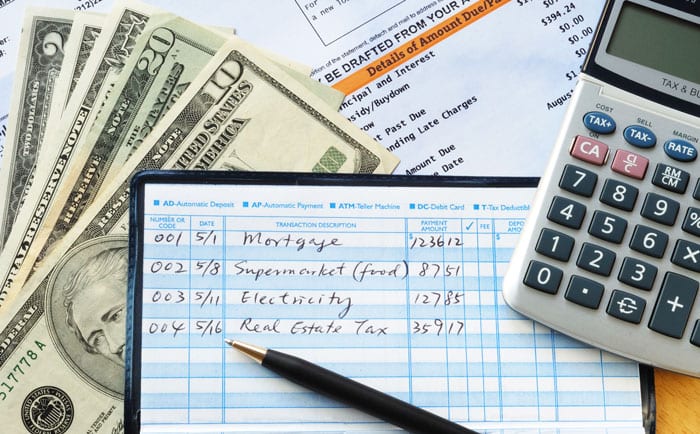


Are you and your spouse both working and still not financially comfortable? If you do a reality check, you might find that you could be living on drastically less than what you’re earning. Living within your means doesn’t necessarily mean sacrificing your quality of life. With a little planning and discipline, you can live comfortably on a below-average income. One of the first steps you might want to consider is exploring “debt settlement” options to reduce your debt burden. In this article, we’ll discuss strategies to help you budget effectively and live comfortably on a below-average income, including the concept known as debt settlement.
- Create a Realistic Budget
The first step to living comfortably on a below-average income is creating a realistic budget. Start by listing all your sources of income and tracking your expenses. Divide your expenses into fixed expenses (such as rent, mortgage, or utilities) and variable expenses (like groceries, transportation, and entertainment). Once you have a clear understanding of your financial situation, you can set spending limits for each category and prioritize your spending. Remember to allocate funds for savings and debt repayment as well.
- Cut Unnecessary Expenses
Once you’ve established your budget, identify areas where you can cut back on spending. Look for non-essential expenses that you can eliminate or reduce, such as eating out, cable subscriptions, or gym memberships. Be creative and resourceful in finding alternatives, like cooking at home, using streaming services, or exercising outdoors. Cutting unnecessary expenses will free up more money for essential needs and savings.
- Prioritize Paying Off Debts
Paying off debts should be a top priority when living on a below-average income. High-interest debts, such as credit card balances or personal loans, can significantly impact your financial well-being. Focus on paying off these debts as quickly as possible to reduce your overall interest payments. Consider consolidating your debts with a lower-interest loan or seeking professional help to create a manageable debt repayment plan.
- Save on Groceries and Household Items
Food and household items can be significant expenses, but there are many ways to save without compromising quality. Plan your meals ahead of time and create a shopping list to avoid impulse purchases. Opt for generic brands, take advantage of sales and coupons, and buy in bulk when it’s cost-effective. Additionally, consider growing your own vegetables or joining a community garden to save even more.
- Use Public Transportation or Carpool
Transportation costs can quickly add up, especially if you own a car. To save on transportation expenses, consider using public transportation or carpooling with coworkers or neighbors. This not only saves you money on gas, parking, and maintenance but also helps reduce your carbon footprint.
- Seek Out Free or Low-Cost Entertainment
You don’t need to spend a fortune to have fun. Explore free or low-cost entertainment options in your community, such as local parks, museums, or libraries. Attend free events, join clubs or groups, and engage in hobbies that don’t require expensive equipment or memberships. By seeking out affordable entertainment, you can enjoy a fulfilling social life without breaking the bank.
- Build an Emergency Fund
An emergency fund is essential for anyone, but it’s especially crucial for those living on a below-average income. Unexpected expenses, such as medical bills or car repairs, can derail your budget and force you into debt. Aim to save at least three to six months’ worth of living expenses in a separate savings account. This will provide a financial safety net in case of emergencies and help you
avoid high-interest loans or credit card debt.
In Conclusion
Living comfortably on a below-average income requires careful budgeting, prioritizing expenses, and finding ways to save on essential needs. By creating a realistic budget, cutting unnecessary expenses, paying off debts, saving on groceries and transportation, seeking out affordable entertainment, and building an emergency fund, you can live within your means and achieve financial stability. Remember that it takes discipline and patience to achieve financial goals, but the rewards of financial security and peace of mind are worth the effort.


