

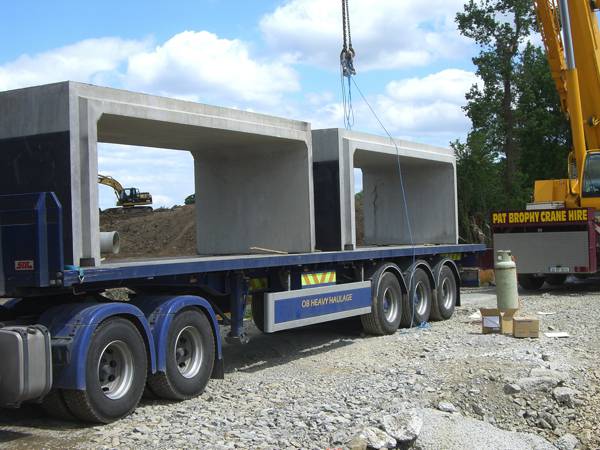

If you’re new to construction or civil engineering projects, learning the concept of concrete box culverts is crucial. Box culverts are paramount components in the transportation infrastructure, letting water flow under roadways and pathways.
They are even long-lasting, flexible, and come in different sizes and shapes to meet the needs of any project. This beginner’s guide will study the fundamentals of concrete box culverts.
Types of Concrete Box Culverts
Concrete box culverts come in different types, each serving specific purposes. Here are some of them:
Precast Culverts
Precast culverts are constructed off-site in a controlled environment, where concrete elements are cast and cured before being transported to the installation site. These culverts come in ready-to-install sections, streamlining the construction process and ensuring consistent quality.
Cast-In-Place Culverts
Cast-in-place culverts are built directly on the construction site. The concrete is poured and cured in position, forming the culvert structure in its final location.
While it may take longer to complete compared to precast culverts, the cast-in-place approach allows for customization and adjustments during construction.
Single Box Culverts
Single box culverts consist of a single rectangular or square-shaped concrete structure. These culverts are commonly used for smaller waterways or drainage systems where a single opening is sufficient.
Multi-Box Culverts
Multi-box culverts consist of multiple individual boxes placed side by side. If you need a wider opening, this design works well for larger waterways. The arrangement of multiple boxes allows for increased water flow capacity and better distribution of load-bearing forces.
Installation Process of Box Culverts
Installing box culverts involves several steps, and these include:
Site Preparation
The installation of box culverts begins with site preparation. To do this, the area where the culvert will go needs to be cleared of any obstacles and made level. It is very important to prepare the site correctly so that the foundation is stable and the installation goes smoothly. By surveying the site, you can find problems before they happen and make sure the area is ready for the next steps in the installation.
Foundation Preparation
Once the site is ready, the next step is foundation preparation. This involves creating a stable base for the box culvert to sit on. Typically, the foundation is made of compacted soil or a layer of concrete, providing a solid support structure.
To stop settling or uneven settling over time, it is important to make sure that the foundation is properly leveled and compacted when it is being prepared.
Culvert Placement
After the site and foundation are prepared, it’s time for culvert placement. If the culvert is precast, each section is carefully lifted and positioned into place. For cast-in-place culverts, the concrete is poured directly into the formwork on-site.
In this step, accuracy is very important to make sure that the culvert sections fit securely together. The culvert is then connected to the inlet and outlet structures to create a continuous pathway for water flow.
Backfilling
When backfilling, soil is put around and on top of the culvert. This step ensures that the culvert remains stable and is protected from external forces. To keep the soil from sinking and to support the culvert structure, it is also packed down in layers. Proper backfilling is essential for the overall integrity and longevity of the culvert.
Wing Wall and Headwall Construction
Wing walls and headwalls are structural components built at the entrance and exit points of the box culvert. These walls help guide and control water flow, preventing erosion and promoting efficient drainage.
Surface Restoration
The final step in the installation process is surface restoration. This involves restoring the surrounding area to its original condition or improving it based on project requirements.
In addition, surface restoration may include landscaping, paving, or other measures to enhance the aesthetics and functionality of the area.
Achieve Sustainable Infrastructure in Box Culverts
With every box culvert installation, you not only facilitate efficient water flow. Instead, you also contribute to the broader goal of developing infrastructure that stands the test of time. So, achieve sustainable infrastructure in box culverts and pave the way for a resilient and environmentally conscious future.
