

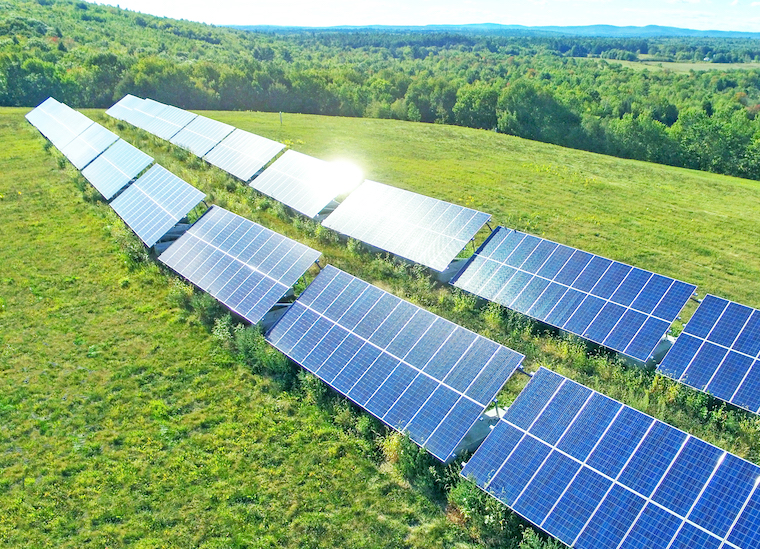

The solar energy market is rapidly expanding across the United States. As solar installations grow over 40% annually, many landowners are considering partnerships with solar developers to repurpose their land profitably and sustainably. This guide covers everything you need to know, from assessing land suitability to real-world case studies.
Evaluating Whether Your Land is Viable for Solar Projects
Hosting a solar project has a lot of moving parts. If you plan to lease land to a solar farm, you need an in-depth feasibility analysis of your land. Key factors evaluated by solar developers include:
- Solar Resource – Areas with high direct normal irradiance (DNI) are best suited. The sunniest states generate up to 30% more solar energy.
- Terrain and Zoning – Flat or south-facing terrain works best. Ground slopes over 5% can negatively impact project viability. Zoning regulations also play a major role.
- Environmental Factors – Proximity to wildlife habitats or wetlands may require additional permitting considerations.
More than 40% of the continental U.S. boasts ‘good’ to ‘outstanding’ solar potential, fueling robust growth in solar energy projects year after year.
Exploring Partnership Opportunities with Solar Companies
If your land passes initial viability criteria, partnering with a solar developer can provide reliable long-term revenue. Typical partnership structures include:
- Solar Leases – Receive predictable annual lease payments for 20-30 years when you lease land to a solar farm. Average rents range from $600 – $2500 per acre.
- Power Purchase Agreements – Get locked-in rates by selling solar power to utilities or commercial customers.
In certain cases, landowners share profits from electricity sales, and additional incentives like solar tax credits can make the deal even more attractive.
Streamlining Permitting and Regulatory Processes
Depending on local ordinances, solar projects usually require an array of permits before construction can begin:
- Zoning Permits – Projects must comply with land-use laws like site design, fencing, and setback criteria. Rural areas are often more solar-friendly.
- Interconnection Agreements – These contracts govern how solar installations connect to the electric grid.
- Environmental Approvals – Wildlife impact studies and habitat protection plans may be mandated as part of state or federal permitting.
Navigating this complex regulatory landscape is where solar developers earn their salt. They handle tasks like conducting environmental impact assessments, coordinating utility upgrades, and managing community outreach.
The average solar permitting timeline is 6-12 months in most regions. Proactive support from local authorities can help fast-track approvals.
Driving Sustainable Land Use with Solar
Solar energy generation and agricultural land use aren’t always mutually exclusive. With thoughtful project siting and management, solar developments can actually enhance sustainability.
- Agrivoltaics integrate crop cultivation directly underneath or between solar arrays. By providing partial shade and reducing evapotranspiration, solar infrastructure can increase soil moisture – boosting yields of certain heat-sensitive crops by up to 70%. Crops like tomatoes, peppers, kale and herbs are thriving at agri voltaic installations.
Studies also show native grasses and wildflowers grown under solar panels require 90% less water while sustaining endangered pollinator species. Such vegetation filters rain runoff and replenishes soil health too.
Ultimately, locating solar developments on lower-value tracts of farmland enables sustainable dual-use projects that make food *and* clean energy production possible.
Assessing Environmental Impacts Over the Long Term
Source: Solar Energy Industries Association
Utility-scale solar facilities typically have a lifespan of 25-30 years. While the bulk of environmental effects occur during construction, responsible solar developers also consider long-term habitat stewardship.
Solar projects contribute to climate change mitigation by generating clean renewable energy to displace fossil fuels. But they can also directly enhance local ecosystems if sited conscientiously.
Native vegetation seeded under and around solar arrays provides new habitat to reverse species decline. Studies in Minnesota found pollinator-friendly solar sites increased bee diversity by 45% while tripling butterfly populations compared to control prairies.
At decommissioning, construction areas are rehabilitated by removing equipment, grading terrain and replanting vegetation to approximate original pre-project conditions. Thus, solar projects can leave the land better than when they started through ecological restoration efforts.
Optimizing Finances and Tax Implications
Beyond revenue from lease payments, property owners can capitalize on other financial incentives associated with hosting solar too:
- Tax Credits – The federal Investment Tax Credit allows landowners to deduct 26% of installed solar costs from federal taxes. This includes land acquisition and installation expenditures like fencing, wiring, and mounting systems.
- Accelerated Depreciation – Solar equipment is eligible for accelerated depreciation over 5-7 years, reducing taxable income if the landowner directly owns the array.
- Property Value Boost – Several studies reveal proximity to solar installations increases property valuations.
Savvy landowners optimize solar contracts to maximize these financial gains, and it’s highly recommended to consult with tax professionals.
Frequently Asked Questions (FAQs)
How much rented farmland is required per megawatt of solar capacity?
The land-use footprint ranges from 5-10 acres per MW, depending on the mounting structure, spacing efficiency, and geographical location of the solar arrays.
If I lease my property to solar developers, can I still use the majority of land for agriculture?
Yes, various co-location options allow dairy grazing, crop cultivation, bee-keeping and more to continue around solar infrastructure through agrivoltaic design approaches. Ground cover below panels may even require less active management.
What occurs when my solar lease concludes? Will the developers decommission equipment and restore my land?
Reputable solar companies are contractually obligated to remove all equipment and rehabilitate impacted areas after the lease concludes, typically in 25-30 years. Decommissioning plans often stipulate reseeding native grasses and vegetation to restore ecological function.
Final Takeaway
In the radiant realm of sustainable land use, the partnership between landowners and solar developers emerges as a beacon for a greener future. As the solar energy market burgeons across the United States, the collaboration between those who steward the land and those harnessing its solar potential becomes paramount. This guide illuminates the path to this symbiotic relationship, offering a comprehensive exploration of the considerations, benefits, and responsibilities that come with partnering in solar ventures.
This guide, a compass on this journey, invites landowners and solar developers to embark on a voyage that transcends traditional boundaries, fostering a sustainable legacy for generations to come. As we embark on a journey toward a horizon fueled by clean energy and harmonious collaboration, let this guide be the wind in your sails, guiding you toward a future where the sun’s rays illuminate both the landscape and a sustainable partnership.
