


Introduction
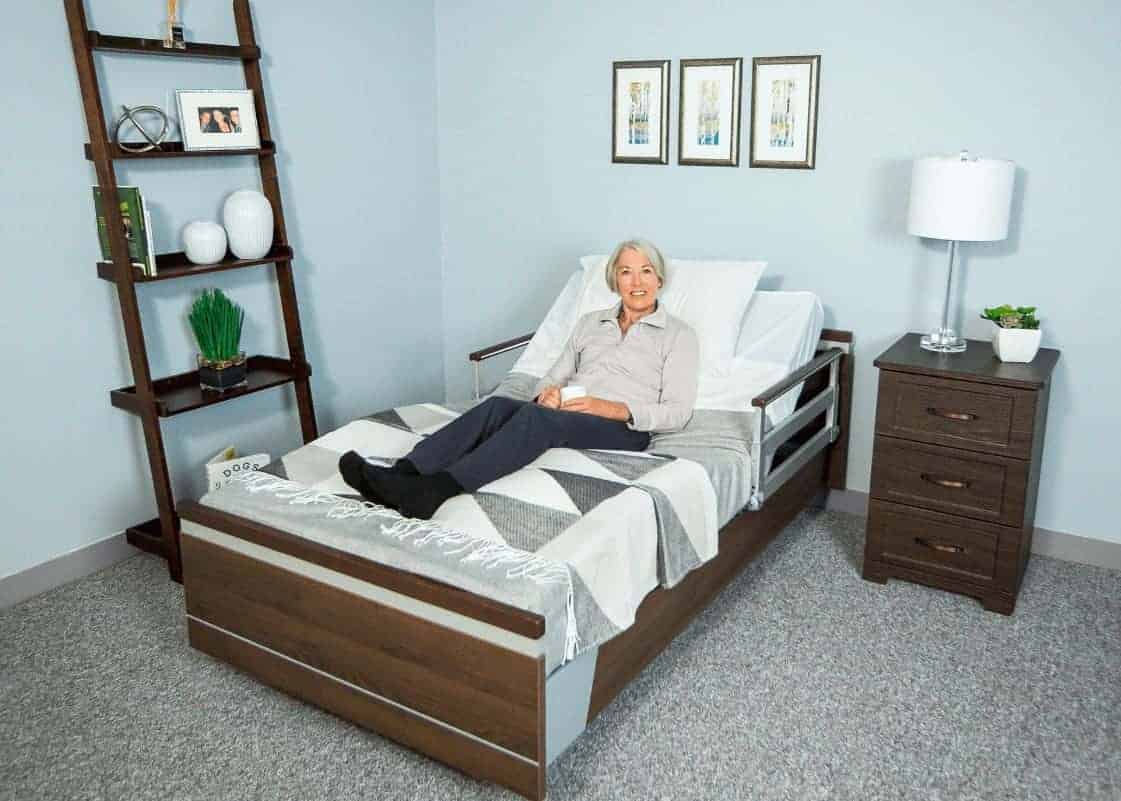
Installing bed rails on both sides of an adult bed can provide increased safety, security, and comfort for people of all ages. Full-length bed rails protect against falls while getting in and out of bed. They also make daily activities like changing positions, reading books, or watching TV more accessible and enjoyable. For seniors, individuals recovering from surgery, those with mobility issues, or restless sleepers, bed rails foster independence and give loved ones peace of mind.
Enhanced Safety
Preventing Nighttime Falls
Falls present a severe risk, especially for older adults. Using the bathroom at night, shifting position and age-related issues like poor balance and vision impairment make middle-of-the-night falls more likely. Installing sturdy full-length bed rails on both sides makes getting in and out of bed safer. Bed rails give the security and stability of having something to hold on to during position changes and bathroom trips. For individuals at risk of falling or those recovering from injury, bed rails provide security and independence and can prevent re-injury.
Support When Sitting Up or Lying Down
Full-length bed rails run the entire length of the bed on both sides. This allows a person to use the sturdy bed rail for support and stability throughout the bed’s length when sitting up, lying down, or making positional adjustments. Bed rails eliminate the need for bedside chairs or makeshift supports that can move once weight is applied. The long-lasting stability of bed rails also helps caretakers when assisting with patient or elderly movement.
Aid for Physical Limitations
Individuals dealing with surgery recovery, chronic conditions, mobility limitations like arthritis, or age-related loss of flexibility and strength often struggle with low beds. Moving from lying to seated and sliding legs from the bed can be difficult and risky without support. Full-length bed rails on both sides provide fixed grab bars so those with physical restrictions can change positions safely using their upper body strength versus legs alone. This also reduces stress on painful joints.
Enhanced Comfort
Self-Sufficiency and Independence
Bed rails foster self-sufficiency for those requiring help getting in and out of bed or changing positions due to age, mobility issues, or recovery status. While caretakers provide vital assistance, sitting up, standing, or changing sleeping positions independently boosts self-confidence and preserves dignity. Sturdy full-length bed rails allow stability and support without needing to ask others for help with essential daily functions.
Secure Support for Restless Sleepers
Active or restless sleepers can benefit significantly from bed rails. Individuals who change positions frequently have balance issues if they wake suddenly or are prone to muscle spasms during sleep stay safer and more secure with full-length bed rails present. Bed rails provide stability during night movements without restrictive devices. This allows restless sleepers to shift positions while reducing anxiety over falling. Bed rails give peace of mind to couples whose partner moves around frequently.
Enjoy Reading or TV in Bed
Bed rails help make sitting up in bed more comfortable for leisure activities like reading books, watching TV, working on laptops, or using mobile devices. The back and arm support bed rails allow better posture than piles of pillows. Pillows lack fixed stability and quickly shift or collapse. With bed rails, individuals can comfortably sit up to enjoy their favourite media without strain or the risk of falling sideways. This perk extends recovering patients’ entertainment options beyond ceiling staring when movement is limited.
Selection Considerations
Rail Height
Bed rail height determines how far below mattress level rails sit. Standard rail height may allow some individuals to roll over top of rails. For at-risk sleepers, taller “extra-high” rails minimise rollover potential. But very tall rails could be challenging to maneuver over for those with hip, back, or knee limitations. Measure mattress thickness, consider physical ability, and consider rollover risk when selecting rail height.
Customisation and Storage
Some bed rail models feature width adjustment or separable rail designs to accommodate different mattress sizes from twin through king. Adjustability ensures proper fit by widening or narrowing the overall bed rail length. Other customisable options like rail covers, removable mesh inserts, pocket holders and built-in nightlights exist for added safety, visibility and convenience. Choices like fold-down rails or quick snap-on designs collapse or detach for storage when unnecessary.
Materials and Design
Bed rails come in metal, wood, or rigid plastic construction. Metal offers durability but can feel cold initially upon contact. Wood looks more furniture-like, but shows wear over time. Dense plastics combine strength and warmth but tend to cost more. Padded rails, no matter the primary material, enhance comfort and prevent skin injuries. Choose flat or curved rails based on space constraints and mattress type. And ensure safety certifications like JPMA meet your needs.
Provide Comfort and Security for All
Installing full-length bed rails on both sides of the bed provides stability, support, and reassurance. Those at risk of falls, individuals with mobility limitations, and restless sleepers benefit greatly from bed rails like the icare bed rail. Caregivers also appreciate the safety and independence bed rails afford. Rails help make daily bed functions more accessible and secure, so attention focuses on improving health. And many design choices exist to customise rails like the icare bed rail to your needs and bedroom décor.
