


Introduction
Beneath your vehicle’s surface lies a complex network of components and systems working harmoniously to ensure smooth operation. Among these systems, the exhaust system is a critical player responsible for routing exhaust gases away from the engine while minimizing noise and emissions.
At the heart of this intricate system, exhaust joint clamps quietly perform a role that is often overlooked but undeniably crucial. They are the unsung heroes that keep your exhaust system securely connected and sealed, preventing leaks that could compromise engine performance and environmental compliance.
From their humble design to their impact on your vehicle’s performance, we will uncover the intricacies of exhaust lap joint clamps as the basic mechanical device.
Exhaust Joint Clamps
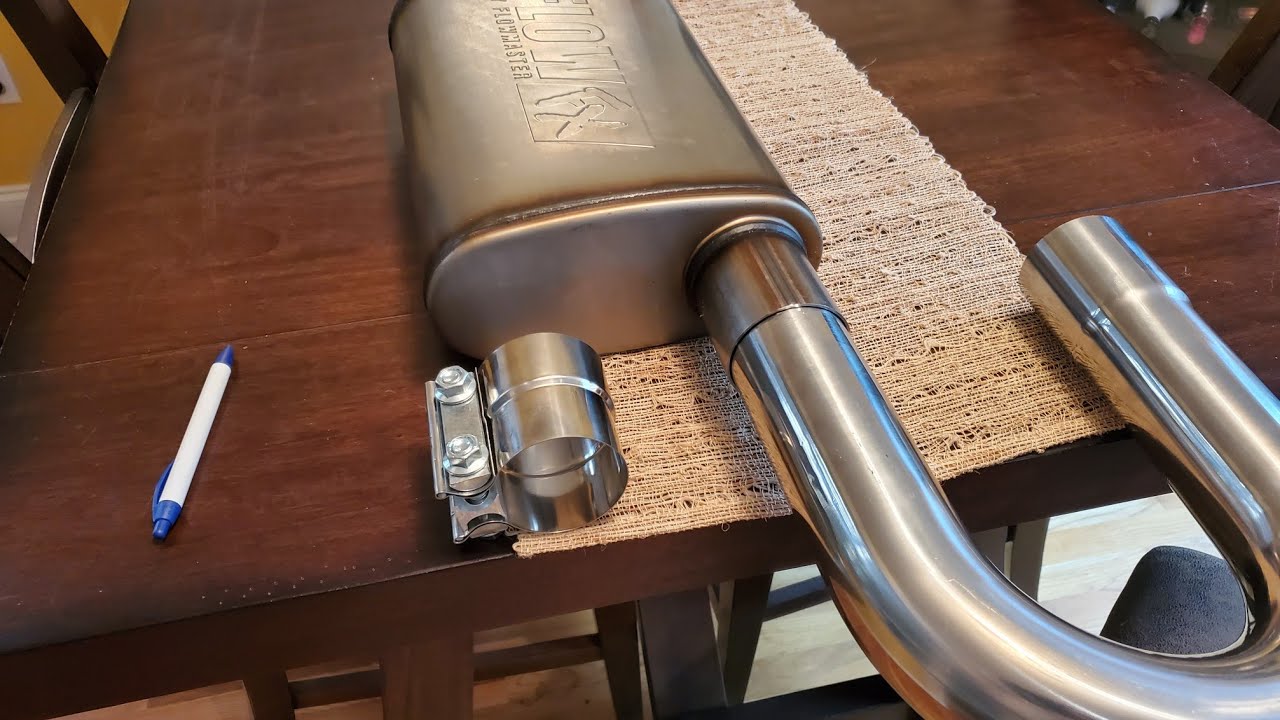
Exhaust joint clamps, also known as exhaust band clamps or connectors, are mechanical devices designed to secure and seal the joints between different components of your exhaust system. These components may include pipes, mufflers, catalytic converters, and exhaust manifolds. The primary purpose of exhaust joint clamps is to ensure a tight and leak-free connection between these parts.
How Exhaust Joint Clamps Work?
The operation of exhaust joint clamps is relatively straightforward:
- Before installing the clamp, ensure that the surfaces of the exhaust components you connect are clean and free of debris or rust. This provides a proper seal.
- Place the exhaust joint clamp over the joint where the two exhaust components meet. The clamp comprises a metal band or strap with a threaded bolt or screw mechanism.
- Using a wrench, socket, or pliers, tighten the screw or bolt on the clamp. As you tighten it, the clamp compresses, exerting pressure on the joint and pushing the two components together.
- The pressure applied by the clamp creates a tight seal between the components, preventing exhaust gases from escaping and minimizing the risk of leaks.
- Once the desired level of tightness is achieved, the clamp holds the connection securely in place.
- After installation, inspecting the clamped joint for any signs of leaks or gaps is essential. A properly installed exhaust joint clamp should create a uniform seal with no visible gaps.
Benefits of Using Exhaust Joint Clamps
- Exhaust joint clamps are crucial in preventing exhaust leaks, which can negatively impact engine performance, fuel efficiency, and emissions compliance.
- Compared to welding or other permanent methods of joining exhaust components, exhaust joint clamps offer ease of installation and reusability. This makes them a popular choice for DIY enthusiasts and mechanics.
- Exhaust joint clamps are versatile and can be used in various applications within the exhaust system. They are suitable for both temporary fixes and long-term solutions.
- High-quality exhaust joint clamps are readily available and come in various sizes and price points, making them accessible to many users.
- By providing a secure and leak-free connection, exhaust joint clamps can help reduce maintenance costs associated with exhaust system repairs.
Last to Say
While exhaust joint clamps may not grab the spotlight in vehicle maintenance and performance discussions, their role in maintaining a leak-free exhaust system is indispensable.
These unassuming mechanical devices quietly ensure that your exhaust components are securely connected and sealed, allowing your engine to operate optimally while adhering to emissions regulations. Get the best joint clamps for your exhaust system from Evilenergy and use their 5% discount coupon with this code: EVILSEO5.
