


Starting a food kiosk business in a shopping mall can be an exciting and profitable venture. With the right location, menu, and marketing strategies, you can attract a steady stream of customers and achieve success in the competitive food industry. Whether you’re new to the business or have experience in the food industry, these nine tips will help you establish and grow your food kiosk business in a shopping mall.
Choose The Right Location
Research the Market and Choose the Right Location Before diving into the food kiosk business, it’s crucial to conduct thorough market research. Identify your target audience and understand their preferences and demands. Analyze the existing competition in the mall and evaluate their menus, pricing, and customer base. This research will help you identify any gaps in the market that you can fill with your unique offerings.
Choosing the right location within the shopping mall is also essential. Position your food kiosk in high-traffic areas such as near the entrance, food court, or popular stores. Ensure there is ample space for customers to queue and wait comfortably for their orders. A prime location will help attract more customers and increase your chances of success.
Work On Your Menu
Develop a Unique and Appealing Menu The success of any food business relies heavily on the menu. Create a unique and appealing menu that caters to the tastes and preferences of your target customers. Consider offering a variety of options, including vegetarian, vegan, gluten-free, and low-calorie items, to cater to a diverse customer base.
Ensure that your menu items are delicious, visually appealing, and reasonably priced. Conduct taste tests and gather feedback from potential customers to refine your recipes and offerings. Regularly update your menu to introduce new items and keep customers intrigued and coming back for more.
Licenses and Permits
Obtain the Necessary Licenses and Permits To operate a food kiosk business in a shopping mall, you will need to obtain the necessary licenses and permits. These requirements may vary depending on your location, so it’s crucial to research and comply with all local laws and regulations. Some common permits and licenses include a business license, food handler’s permit, health department permits, and fire safety permits.
Ensure that your food kiosk meets all the necessary health and safety standards. Maintain proper hygiene practices, regularly clean and sanitize your equipment and space, and train your staff on food safety protocols. Complying with all legal requirements will help you build a reputable and trustworthy business.
Stable Suppliers
Invest in High-Quality Equipment and Supplies Investing in high-quality equipment and supplies is crucial for the smooth operation of your food kiosk business. Purchase commercial-grade kitchen equipment that can withstand heavy usage and deliver consistent results. This includes refrigerators, freezers, cooking appliances, and food storage containers.
Additionally, source your ingredients and supplies from reliable and reputable suppliers. Ensure that your ingredients are fresh and of high quality to maintain the taste and presentation of your menu items. The quality of your equipment and supplies will directly impact the quality of your food and the overall customer experience.
Wonderful Customer Service
Hire and Train a Reliable and Customer-Oriented Staff Your staff plays a vital role in the success of your food kiosk business. Hire a team of reliable and customer-oriented individuals who are passionate about food and providing excellent service. Look for candidates with previous experience in the food industry or those who demonstrate a willingness to learn and grow.
Provide comprehensive training to your staff on food preparation, hygiene practices, customer service, and point-of-sale systems. Emphasize the importance of maintaining a friendly and welcoming attitude towards customers. A well-trained and motivated staff will ensure smooth operations and enhance the overall customer experience.
Create a Unique Kiosk Design
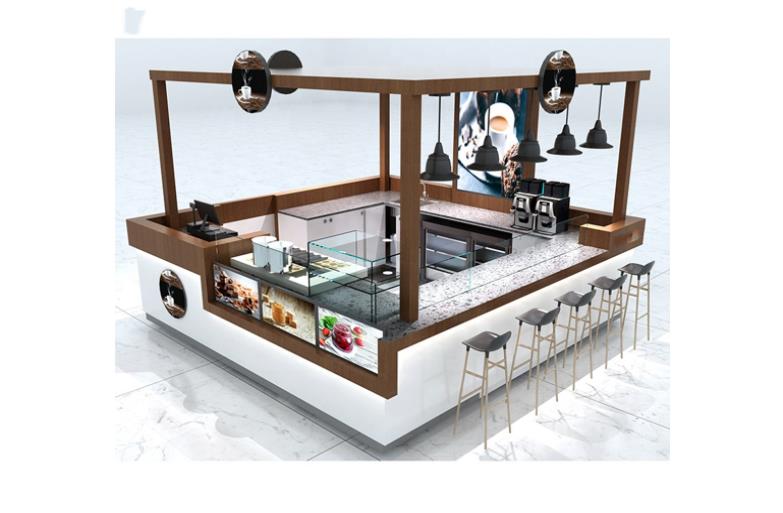
Create an Appealing and Functional Kiosk Design. The design of your food kiosk should be visually appealing and functional. It should reflect your brand identity and entice customers to visit and try your menu items. Consider hiring a professional designer who specializes in retail or food kiosk designs to help you create an attractive and functional space.
Ensure that your kiosk design allows for efficient workflow and easy access to equipment and supplies. Utilize space-saving techniques and innovative storage solutions to maximize the use of limited space. Create a visually appealing display of your menu items to catch customers’ attention and encourage impulse purchases.
Online Marketing
Implement Effective Marketing Strategies Marketing plays a crucial role in attracting customers to your food kiosk business. Implement effective marketing strategies to create awareness and generate buzz around your brand. Utilize both online and offline channels to reach a wider audience.
Create a visually appealing and user-friendly website or social media profiles to showcase your menu items, location, and opening hours. Regularly post updates, promotions, and engaging content to keep your audience engaged. Collaborate with influencers or food bloggers to promote your food kiosk and attract their followers.
Consider offering discounts, loyalty programs, or special promotions to incentivize customers to visit and try your menu items. Distribute flyers or discount coupons within the shopping mall or nearby residential areas to attract local customers. Participate in local food festivals or events to increase your visibility and gain exposure.
Customer Management
Obtain Feedback and Continuously Improve Feedback plays a crucial role in the growth and improvement of your food kiosk business. Encourage customers to provide feedback on their experience, whether through online reviews, feedback forms, or social media platforms. Actively listen to their suggestions and concerns and make necessary improvements.
Regularly conduct surveys or organize focus groups to gather feedback on your menu items, pricing, customer service, and overall experience. Use this feedback to refine your offerings, make necessary adjustments to your menu, and improve your service quality. Continuous improvement based on customer feedback will help you stay ahead of the competition and retain loyal customers.
Hire Professionals
Monitor Financial Performance and Seek Professional Advice Lastly, closely monitor the financial performance of your food kiosk business to ensure profitability and sustainability. Keep track of your income, expenses, and profit margins. Regularly analyze your sales data to identify popular menu items and identify areas for improvement.
Consider seeking professional advice from an accountant or financial advisor who specializes in the food industry. They can help you create a realistic budget, manage your cash flow, and identify opportunities for growth and cost savings.
Conclusion
Starting a food kiosk business in a shopping mall requires careful planning, research, and execution. By understanding your target market, developing a unique menu, obtaining the necessary licenses, investing in quality equipment, hiring a reliable staff, creating an appealing kiosk design, implementing effective marketing strategies, seeking feedback, and closely monitoring your financial performance, you can set yourself up for success in the competitive food industry. With dedication, hard work, and a passion for food, your food kiosk business can thrive in a shopping mall environment.
