

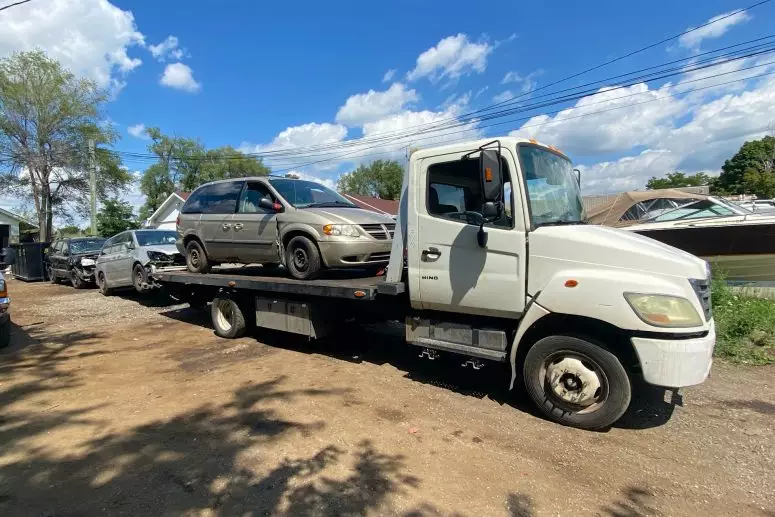

Car scrapping refers to the process of disposing of a vehicle that is no longer in usable condition or is beyond repair. When a car reaches the end of its life, whether due to age, severe damage, or other reasons, scrapping it becomes a practical solution. Rather than leaving the vehicle to rust away in a driveway or storage, scrapping allows for the responsible and environmentally-friendly disposal of the car.
The Car Scrapping Process
Here are some of the steps to follow during a car scrapping process:
- Choosing a Licensed Scrapyard: The first step in the car scrapping process is finding a licensed and reputable scrapyard. It’s essential to do thorough research and read reviews to ensure that the chosen scrapyard complies with all environmental regulations and practices in ethical recycling methods.
- Car Preparation: Ahead of dispatching your vehicle to the scrapyard, it is advisable to rid the car of any personal items and paperwork. Also, keeping handy your vehicle’s title, registration, and ID is beneficial as scrap yards mandate these details for lawful protocols.
- Environmental Dismantling: Once the car arrives at the scrapyard, it undergoes an environmental dismantling process. Trained professionals carefully remove all hazardous materials, such as batteries, oil, and coolant, to prevent them from contaminating the environment. These materials are then disposed of or recycled following strict environmental guidelines.
- Parts Salvaging: After the environmental dismantling, salvageable parts are removed from the vehicle. Valuable components, such as engines, transmissions, and electronic systems, are thoroughly inspected and, if in good condition, can be sold as used parts in the automotive market.
- Car Compression: Post the salvage of all reusable components, what remains of the car is compacted into a condensed form. This crucially minimizes its dimensions, thus simplifying its transportation and recycling.
- Recycling: The compacted vehicle is relocated to a recycling center for additional treatment. Cutting-edge equipment and technologies come into play to segregate varied elements like metal, plastic, and glass, primed for recycling. This mechanism minimizes the demand for new virgin materials, thus, decreasing the cumulative environmental footprint.
- Termination-of-Service Certification: Following the culmination of the recycling operation, the scrapyard dispenses a termination-of-service certificate for the car. This certification establishes that the vehicle has undergone responsible recycling and is henceforth out of operation.
The Environmental Impact of Car Scrapping
Car scrapping plays a significant role in reducing the environmental footprint of the automotive industry. By responsibly recycling old vehicles, several benefits are achieved:
- Energy Retention: Energy retention emerges as a significant perspective in vehicle production and usage. By refurbishing existing vehicles, we can diminish the need for the mining of virgin materials and the creation of fresh automotive parts. This energy savings method contributes to reducing emissions, which forms a crucial line of defense against global warming and climate change.
- Curtailed Landfill Overflow: The dismantling of automobiles safeguards against them becoming landfill waste, where their decomposition could span years and might possibly result in the seepage of damaging substances into the terrain.
- Preservation of Natural Treasures: In today’s world, safeguarding natural treasures has ascended to paramount importance. Our planet’s resources are limited and human enterprises often lead to their rapid depletion. The practice of dismantling used cars, where reusable parts are salvaged and substances are recycled, contributes towards alleviating this issue. It aids in safeguarding our precious natural resources, including metals and oil.
- Reducing Pollution: Curtailing pollution is crucial to safeguarding our environment’s health and pledging our support towards a flourishing ecosystem. A potent method of achieving this is by guaranteeing the correct disposal of risky substances typically found in vehicles, including oil, antifreeze, brake fluid, and windshield washer fluids. By expelling these materials safely and proficiently, we curtail their effects on air, water, and land pollution, hence enhancing our collective environmental health.
Financial Benefits of Car Scrapping
- Cash for Clunkers Programs: Numerous areas offer cash for clunkers initiatives where individuals are provided with financial rewards for disposing of their aged, less efficient vehicles and substituting them with more fuel-economic models. This not only bestows environmental advantages but also eases the monetary burden on vehicle owners.
Scrapping a car is not just about getting rid of an old vehicle; it is a responsible choice that has a positive impact on the environment and conserves valuable resources. From choosing a reputable scrapyard to the environmental dismantling and recycling processes, every step plays a crucial role in reducing the automotive industry’s ecological footprint. So, the next time you consider scrapping your car, remember the significance of responsible car scrapping and its contribution to a greener future.The efficiency and professionalism of the Scrap My Car Montreal make them the ideal choice for anyone seeking reliable car disposal services.
