

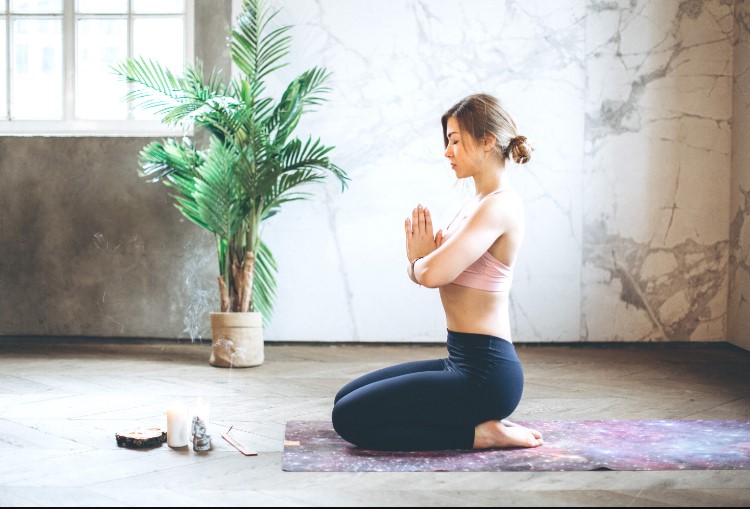

Meditation has become an increasingly popular daily practice for people seeking to improve their mental and physical health. Science is also beginning to show the concrete benefits of meditation for both the mind and body. Here are some top reasons to consider starting a daily meditation practice.
Reduces Stress
One of the most universally experienced benefits of meditation is reduced stress. Focusing your attention during meditation frees your mind from the constant stream of worries and planning that can overwhelm your brain.
Multiple studies have shown meditation can reduce markers of stress like cortisol levels. Over time, less stress leads to lower anxiety levels and a greater sense of calm and well-being. Meditation is an excellent drug-free way to give yourself a time-out from stress.
Improves Focus
Many people struggle to concentrate at work or while studying. We are constantly bombarded with distractions from emails, messaging, social media, and more. Meditation trains your mind to focus solely on your breath or a mantra.
With regular practice, many meditators report they can better concentrate on tasks for more extended periods. Focusing intently on a project can result in higher productivity and less wasted time.
Promotes Emotional Health
Unresolved trauma and excessive rumination on negative experiences can harm your emotional health. Meditation lets you observe your thoughts from a detached perspective instead of attaching to difficult emotions.
Letting go of painful thoughts through meditation increases psychological flexibility. Over time, you gain insight into when you relive past hurt versus experiencing emotions tied to the present moment. This discernment leads to better regulation of your emotional state.
Lowers Blood Pressure
High blood pressure is a significant risk factor for strokes, heart attacks, and kidney failure. Medication can help lower blood pressure but often comes with side effects. Meditation is one natural way to support heart health.
Studies show meditation can reduce blood pressure levels in healthy and hypertensive individuals. Slow breathing and mental relaxation dilate blood vessels and minimize constriction. Consistently lower blood pressure decreases your risk of cardiovascular disease.
Slows Aging
The oxidative stress caused by factors like poor nutrition, lack of sleep, and smoking can accelerate aging. The deep rest induced by meditation triggers the relaxation response and lowers oxidative stress.
People who meditate regularly exhibit decreased aging biomarkers like cortisol and free radicals. They also show longer telomeres which indicate reduced cellular aging. Looking youthful for longer is an enjoyable side benefit of maintaining a daily meditation routine.
Increases Immunity
Frequent colds, flu, and infections may indicate a weak immune system. The constant stresses of modern life can impair immune function and make you more susceptible to bugs going around.
Meditation enhances immunity in a few key ways. It lowers stress hormones which compromise the immune system. It also reduces pro-inflammatory genes and proteins that can trigger excessive inflammation leading to chronic disease. Bolstering your immune cell count will make you more resilient to illness.
Improves Sleep
Do you lie awake late into the night with anxious thoughts racing? Meditation can be a highly effective relaxation aid for insomnia or middle-of-the-night wakefulness.
Calming a turbulent mind through mindfulness meditation makes it easier for your body to release its hold on consciousness and enter restorative sleep. You will awaken feeling more refreshed after a night of meditation-enhanced sleep.
Increases Pain Tolerance
From headaches to joint pain, physical discomfort is unpleasant but often unavoidable. Meditation can alter how your mind perceives pain signals from the body in helpful ways.
Studies demonstrate meditation directly affects pain-processing pathways in the brain. It does not eliminate the underlying physical cause, but it changes your mental reaction so you experience the pain as less distressing. Increased pain tolerance through meditation can improve your quality of life.
Slows Cellular Aging
The oxidative stress caused by factors like poor nutrition, lack of sleep, and smoking can accelerate aging. The deep rest induced by meditation triggers the relaxation response and lowers oxidative stress.
People who meditate regularly exhibit decreased aging biomarkers like cortisol and free radicals. They also show longer telomeres which indicate reduced cellular aging. Looking youthful for longer is an enjoyable side benefit of maintaining a daily meditation routine.
Boosts Creativity
Creativity requires moments of insight and illumination that are hard to force. The relaxed awareness cultivated by meditation lights up creative networks in your brain.
Studies suggest that meditation puts your brain into a state conducive to free-flowing thought and creative problem-solving. Taking regular timeouts to meditate can boost innovation and resolve writer’s block.
Increases Grey Matter
Meditation helps your brain grow larger and faster. MRI scans reveal that people regularly meditating for a few years have more grey matter volume.
Grey matter contains neuron cell bodies that process information. It usually begins to decline after age 30. The growth of grey matter induced by meditation may generate new neural connections and brain activation patterns.
Enhances Self-Awareness
We all have blind spots regarding our quirks and habitual patterns. The non-judgmental self-observation of meditation helps you become more aware of your behaviors and emotions.
Noticing your automatic reactions provides insight into the underlying beliefs and fears that drive you. Meditation also highlights how random and repetitive most thoughts are. This self-knowledge leads to greater wisdom and compassion.
Increases Gratitude
Expressing thanks and gratitude consistently is linked to higher happiness levels. Meditation cultivates a mindset of gratitude by focusing your attention on the blessings you receive rather than perceived lack.
Tuning into all the people and circumstances that support you will generate feelings of appreciation. Your worldview gradually shifts to become less self-centered. A gratitude meditation can lift you from a bad mood and remind you how much you have.
In Summary
You are starting and sticking with a daily meditation routine that benefits mental and physical well-being. The variety of scientifically-validated benefits is immense. You can check out Balance of Nature to learn additional ways to support whole-body health. Just a few minutes of daily practice can unlock your full meditative potential. The easiest way to begin is to heed your breath or repeat a mantra with intention. Start meditating now and discover what a regular practice could mean for your mind and health.
