

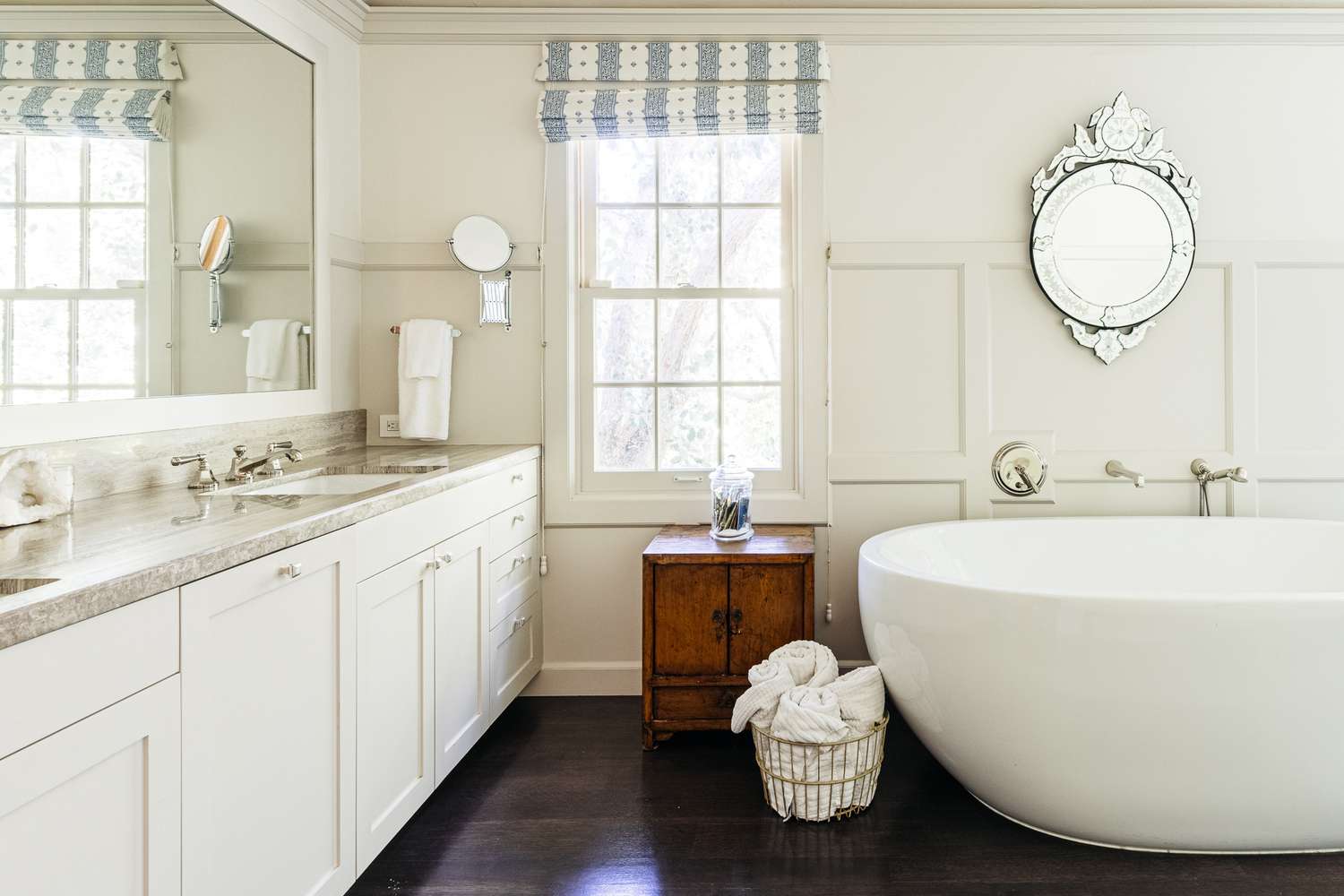

Wooden floors in a bathroom can add a beautiful touch to your home. However, the wood must be sealed correctly to protect it from water and moisture. Woods that soak up too much water can swell and warp, causing expensive damage to your home.
The following are four ways you can waterproof your wood flooring in the bathroom:
Oils
Wood is a beautiful material to work with, and it adds a rustic charm to any bathroom design. However, some issues come with using wooden surfaces in a wet environment. Wood absorbs water and moisture, leading to swelling, warping, and rot over time. This can cause a lot of damage to your bathroom floors, vanity, or other wood furniture and lead to expensive repairs or replacements.
Wood needs to be properly sealed if you want it to resist water damage. Using a finishing agent in your bathroom will create an invisible barrier that will protect the surface. You can use oils or sealers, which will help close the pores in the wood and create a protective shield against water. However, you need to be sure to reseal your wood regularly in order to maintain the integrity of the material.
If you decide to use oils to waterproof your wood floors in a bathroom, ensure the day is warm and dry so that the floor can dry quickly. Then, apply a thin layer of oil and let it soak into the material. After a few minutes, wipe away any excess. Repeat this process as many times as needed to fully waterproof your wood for the bathroom.
Be sure to choose a waterproofing oil that is made specifically for use in wet environments. There are a number of different options available, including teak oil and carpenter’s mineral oil. These products will dry quickly and provide a waterproof barrier that will keep your wood looking great for years to come.
Another great option is to use a combination of polyester resin and acetone to waterproof your wooden floors in a bathroom. This is a fast-drying method that provides a high-quality finish and can last for up to five or seven years. Additionally, the polyester resin dries much faster than most sealers, which means that you can finish your wooden floors and get back to using them in less time.
Sealers
Wood is a popular choice for flooring and wall paneling, but it can only stand up to moisture if the wood is properly impregnated. Improper waterproofing can lead to a number of problems, including board cupping and moisture damage to the surrounding structure.
One of the best ways to waterproof wood is by using sealers. These products are clear and will protect the wood from water damage without altering its natural beauty. Sealants can be applied to new or already finished floors and protect the finish from scratching and dulling. When choosing a sealant, it is important to look for one resistant to UV rays that won’t yellow over time.
Another way to waterproof wood is by staining it. Stains are absorbed deeper into the surface of the wood, protecting it while adding color or covering it entirely. They can be used on both new and old wood, making them a versatile option for any type of home. Stains are available in a variety of colors and can be mixed with different types of wood finishes to create unique and custom shades.
Stain-sealant combinations are another great option for waterproofing wood. These products provide the most durable results and can last up to seven years with proper maintenance. They can be used on new and existing wood and applied to floors, walls, doors, and furniture. When applying these products, following the manufacturer’s instructions and sanding the wood before application is important.
If you are looking for a more natural look, you can try linseed or tung oil. These products will give your wood a rich, dark color and protect it from moisture damage. They are easy to apply and are available in a variety of sheens. Linseed and tung oils can be purchased from most hardware stores.
You can try a polyurethane or marine varnish if you’re looking for a more modern and durable waterproofing option. These products are designed to withstand moisture and sunlight and come in a wide range of sheens to suit any style. Polyurethane and marine varnish are both highly water-resistant, and they are also resistant to abrasions and scratches.
Stains
Wooden bathroom furniture, flooring, and walls are popular in homes due to their durability, beauty, and ease of maintenance. However, they are susceptible to water damage and need special care when used in a bathroom. Waterproofing is the best way to keep wooden floors, furniture, and walls looking their best. The best way to waterproof wood is by using oil, as it can close all pores and cracks in the wood and create a protective barrier against liquids. Although this isn’t a permanent solution, it can protect against a lot of issues, such as dampness and mildew.
There are a number of different options available when it comes to waterproofing wood, including resin and stain-sealant combos. Resin is a particularly effective method for protecting wood against moisture, and it can be purchased from most hardware stores. It can be applied to wood surfaces in a variety of ways, including spraying it on and applying it with a brush or roller. Once it has dried, you can wipe it clean with a cloth. You should apply two coats of this solution and sand the surface between applications using 0000 steel wool.
Stains are another excellent option for waterproofing wood in a bathroom. They can be applied to both new and existing hardwood floors and are easy to clean. Stains also come in a range of colors, so you can find one that suits your bathroom’s décor. Alternatively, a stain-sealant combination is ideal for high-traffic areas like bathrooms.
No matter what type of waterproofing you decide to use, it is important to take the necessary precautions when working on a wood floor in a bathroom. You should wear gloves when handling products and work on a warm, dry day. Also, make sure to sweep up any loose debris before you begin, and never walk on the floor while it is being treated. Clear out the entire room before you start is also a good idea.
Marine Varnish
Using a marine varnish is a good idea to protect your wood floors in the bathroom. Not only is it water-resistant, but it also helps keep the wooden floor clean and dry, which prevents rotting. It is also durable and has excellent adhesion to wood surfaces. You can purchase this product at a local hardware store or online. It is important to read the manufacturer’s instructions carefully before applying the varnish. It is recommended to use the highest quality marine varnish available. This will ensure that it lasts for a long time.
Another way to waterproof wood is to apply tung oil to the surface of your wooden floor. This solution will create a protective barrier that is resistant to moisture and other chemicals. It will also leave a beautiful shine on the wood. Tung oil is not a quick-drying solution, and it may take up to 14 days to fully cure. If you are in a rush, boiled linseed oil is an alternative that provides similar results and takes less time to dry.
Stain-sealant combos that contain color pigments and binders are a good choice for interior woods but not for exterior woods. These products often require multiple coats and are not as durable as marine varnish. Choosing a stain-sealant combination with a low VOC (volatile organic compound) content is best. This will minimize the number of chemical fumes that are released when you apply the sealant.
While there are many different options for waterproofing wood, it is important to choose the right one for your needs. Choose a product that is easy to work with and can be applied to woodwork in any room, including the bathroom. If you are unsure which marine varnish to choose, consult an expert or ask for advice at your local hardware store. They can recommend the right product for your unique woodworking project. This will ensure that your new bathroom floor is beautiful and long-lasting. The waterproofing process will make your wood floors easier to maintain and clean, and it will also help protect them from damage caused by water and steam.
