

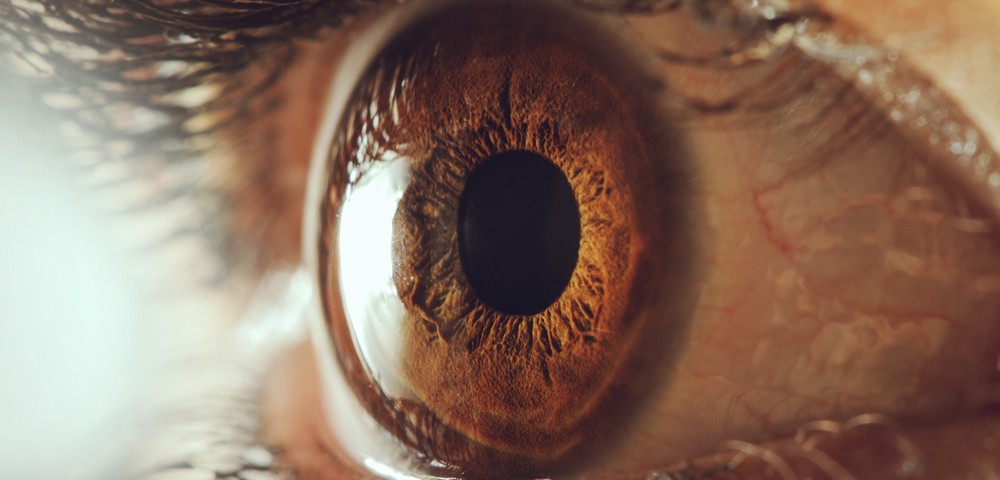

The marvel of sight, one of our most cherished senses, is largely dependent on the health of our retinas. This thin layer of tissue at the back of the eye is responsible for capturing light and transmitting it to the brain, where it is interpreted as the images we see. However, the retina is vulnerable to a variety of diseases that can impair its function and jeopardize our vision. We aim to offer a deeper understanding of retinal eye diseases, exploring their causes, the revolutionary technology behind their diagnosis, and the advances in medical procedures and lifestyle adjustments that can help treat retinal eye diseases.
The Culprits Behind Retinal Eye Diseases
Retinal eye diseases are a broad group of conditions that can cause severe vision loss and even blindness. They include age-related macular degeneration (AMD), diabetic retinopathy, retinal detachment, and retinitis pigmentosa, among others. These conditions can be caused by a variety of factors, including aging, uncontrolled diabetes, eye trauma, and genetic predispositions.
Spotting Retinal Eye Diseases: The Power of Modern Diagnosis
Thanks to advances in technology, diagnosis of retinal diseases has become increasingly accurate and non-invasive. Tools like optical coherence tomography (OCT) create detailed images of the retina, helping doctors detect early signs of disease. Fluorescein angiography allows doctors to view the retinal blood vessels, identifying blockages or leaks indicative of conditions like diabetic retinopathy.
Rising to the Challenge: How to Treat Retinal Eye Diseases
Once diagnosed, the focus shifts to treatment. Depending on the specific disease and its progression, treatment can range from monitoring the condition to medical intervention. Some conditions like certain types of AMD can be managed with lifestyle changes and vitamin supplementation, while others like retinal detachment require immediate surgical intervention.
Emerging treatments, including anti-VEGF injections for wet AMD and diabetic retinopathy, have shown promise in slowing disease progression and even improving vision in some patients. Laser therapies are also used in the treatment of several retinal conditions, helping to seal off leaking blood vessels or to prevent vessel growth.
The Promise of Tomorrow: Research and Advancements
Research into retinal diseases is ongoing, with promising developments on the horizon. Stem cell research, gene therapy, and novel pharmaceuticals are potential game-changers in the field, offering hope for improved outcomes and even cures for retinal diseases.
Prevention also plays a crucial role in maintaining retinal health. Regular eye exams are vital, especially for individuals at risk, and managing underlying health conditions like diabetes can significantly reduce the risk of developing retinal diseases.
Without a doubt, while retinal eye diseases pose a significant threat to vision, advances in diagnostic tools and treatments provide hope. Medical professionals specialized in retinal health, working hand in hand with researchers and patients, continue to explore new ways to prevent, manage, and treat retinal eye diseases.
