

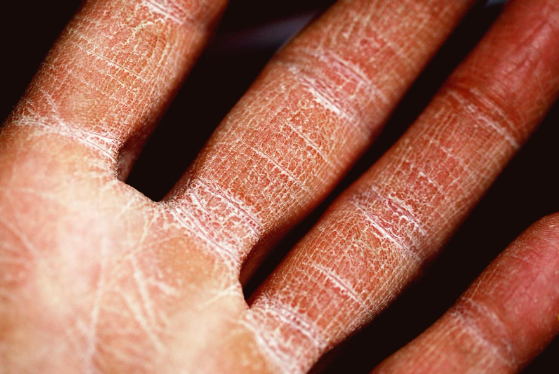

Atopic dermatitis (AD) or eczema is a condition that affects the skin causing the skin severe dryness and itchiness. Although living with AD can be daunting, there are various strategies victims can employ to manage and soothe the flare-ups effectively.
The chronic skin condition is uncomfortable due to constant itching and dryness, which results in inflammation. As a result, the victim’s skin contains eczema wrinkles that are unpleasant to live with. In this blog post, we explore practical tips to help you get through the ups and downs of living with eczema.
Types of Eczema
Eczema has various types; each condition has unique triggers that affect the skin barrier function differently. Unfortunately, one can have one or more conditions affecting them at once. They are:
- Atopic dermatitis.
- Contact dermatitis.
- Dyshidrotic eczema.
- Neurodermatitis.
- Nummular eczema.
- Seborrheic dermatitis.
The condition can affect anyone at any age group, and symptoms begin to show from childhood and will persist into adulthood. You’re likely to develop eczema if you have a family history of the same or suffer from allergies, asthma, dermatitis, or hay fever.
Symptoms of Eczema
The different types of eczema can display varying symptoms in each individual, depending on their condition. People with dark skin tones will have a purple rash, gray or brown, while for those with light skin tones, an eczema rash can appear pinkish, purple, or red. The symptoms include:
- Dry, itchy skin.
- Skin rash.
- Bumpy skin.
- Thick, leathery-looking skin patches.
- Flaky or scaly skin.
- Swelling.
Practical Tips for Managing and Soothing Eczema Flare-ups
Initially, the signs of eczema include dry, itchy skin with a rash. The presence of these signs means that you had contact with a trigger causing your symptoms to flare up. You need to identify the environmental triggers to avoid them and spare your skin from the discomfort eczema causes. Here are some tips to help you soothe eczema flare-ups.
Use Skin Moisturizers Regularly
Regularly using skin moisturizers is critical in managing eczema flare-ups, as they maintain proper skin hydration. Moisturizers lock in moisture to prevent dryness and lessen flare-ups. You should opt for specific moisturizers that are fragrance and hypoallergenic-free with formulations meant for sensitive skin. Use the moisturizer immediately after taking your bath to seal in the moisture and remove eczema scars naturally.
A free image from Unsplash displaying a reddish facial rash.
Avoid Triggers
Steering clear of triggers will prevent frequent eczema flare-ups. Common triggers include irritation by fabrics like wool, synthetic materials, excess sweating, harsh soaps and detergents, and specific foods. Keep a journal of potential triggers daily to enable you to make lifestyle adjustments to minimize exposure.
Practice Gentle Skincare
Your skincare routine must be gentle, including the products you use. When it comes to skincare, gentle is the keyword. Avoid using harsh soaps, bubble baths, or scrubbing your skin vigorously, as these can further irritate your eczema. Opt to buy and use mild cleansers that are fragrance-free and lukewarm water for your bath, then use your towel to gently pat your skin to dry without rubbing.
Dress Comfortably
You need to choose clothes that don’t irritate your skin, like cotton fabrics, and ensure they’re loose-fitting to avoid irritating your skin. This is because your clothing can quickly impact your eczema, especially when the skin doesn’t breathe freely. Keep off from wearing tight or scratchy clothing as it can cause friction and heighten your symptoms.
Endeavor to Live Stress-free
High-stress levels can trigger eczema flare-ups, and you must manage them wisely. If your life is filled with stress, you must find healthy ways to control it. Find ways to relax and reduce stress levels, like taking deep breathing exercises, practicing yoga, meditation, or engaging in hobbies you enjoy. Make yourself a priority and always unwind to prevent frequent flare-ups.
Live a Healthy Lifestyle
Living a healthy lifestyle will positively impact your eczema flare-ups. Make sure you get sufficient sleep since lack of it can aggravate symptoms. Eat a balanced diet with many fruits, vegetables, and omega-3 fatty acids to reduce inflammation. Moreover, don’t forget to hydrate by drinking lots of water throughout the day.
Seek Medical Advice
As you manage your eczema flare-ups, seek medical advice when the symptoms persist. Consulting a dermatologist will help as they’ll provide you with personalized recommendations and prescribe appropriate medications for an effective management plan. Moreover, they can also diagnose and treat secondary skin infections that arise from frequent scratching.
Get Support and Education
Living with eczema is emotionally challenging, and it can lower your self-esteem. Connect to support groups or online communities to get a sense of belonging and understanding that others share your suffering. Further, getting relevant education concerning eczema, its triggers, ways to avoid them, and the topical treatment options to help you make informed decisions as you manage the condition.
Conclusion
Managing eczema flare-ups requires a proactive approach to maintain and soothe flare-ups effectively. Following the tips above will reduce the frequency of flare-ups and help you live a quality life. However, you must remember that everyone’s eczema is unique, and you need a personalized routine that’s best for you. Always keep a positive mindset, exercise patience, and seek professional help.
