

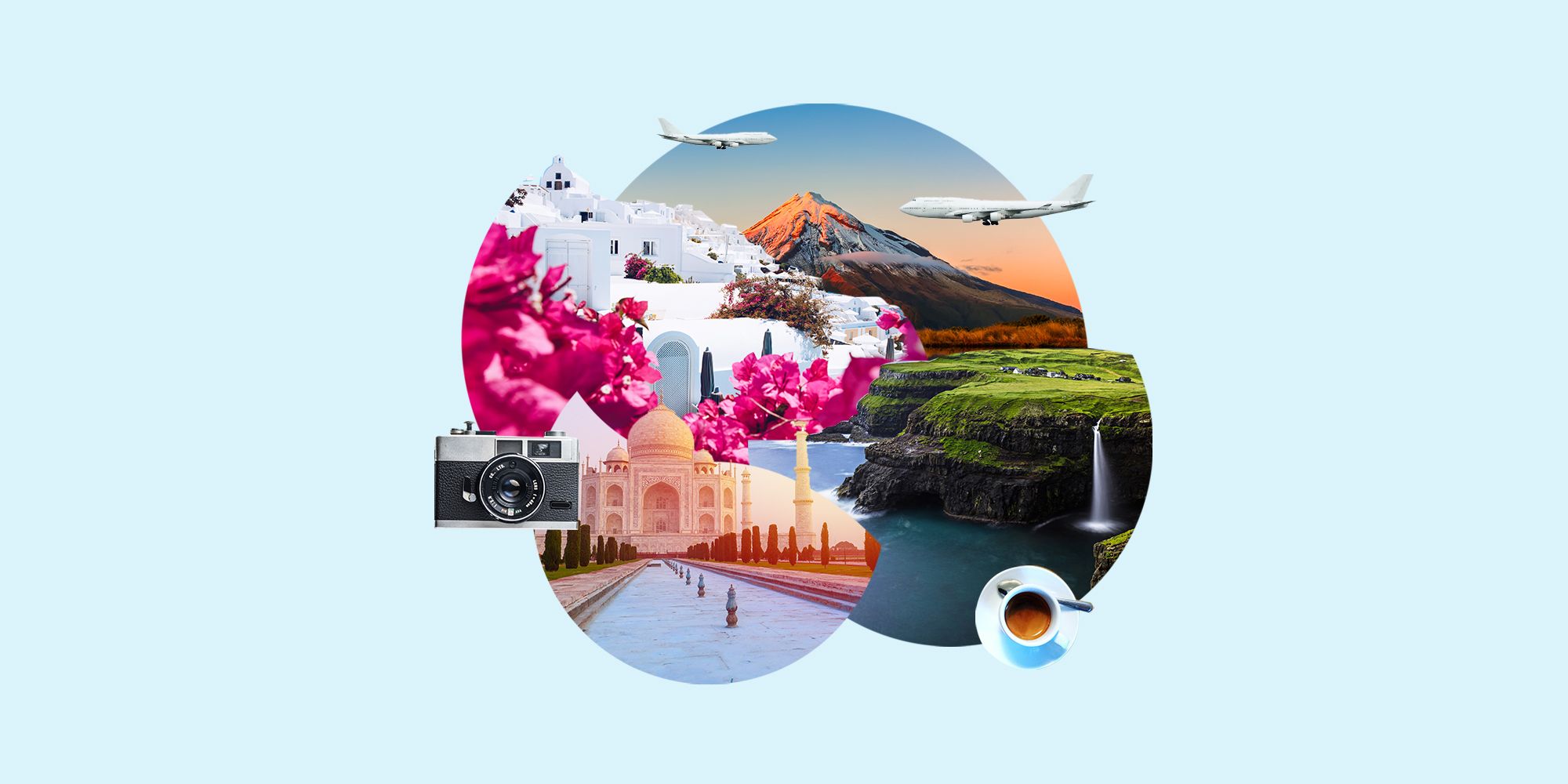

Planning a trip like a pro requires careful organization, attention to detail, and a strategic approach. Whether you’re traveling for leisure or business, following these steps will aid you plan your trip efficiently and maximize your travel experience.
- Research and Plan Your Itinerary: Once you’ve selected your destination, research the attractions, landmarks, events, and activities available. Make a list of must-visit places and prioritize them based on your interests and time constraints. Create a detailed itinerary that comprehends specific dates, times, and locations for each activity or sightseeing spot.
- Plan Transportation: Research the transportation options available at your destination. Determine whether you’ll need to rent a car, use public transportation, or rely on ridesharing services. Familiarize yourself with local transportation routes and schedules, and consider purchasing any necessary travel passes or tickets in advance.
- Pack Smartly: Create a packing list based on the activities and weather conditions at your destination. Pack versatile clothing items that can be mixed and matched, and consider the duration of your trip when deciding how much to pack. Don’t forget essentials such as travel adapters, toiletries, medications, and any necessary documents like passports or visas.
- Plan your finances: Inform your bank or credit provider about your travel plans to avoid any issues with your cards while you’re away. Research the local currency and exchange rates, and consider carrying a combination of cash and cards for convenience and security. It’s also a good idea to have a backup plan in case of any unexpected financial situations.
- Research Local Customs and Etiquette: Familiarize yourself with the local customs, traditions, and etiquette of your destination. Learn a few basic phrases in the local language to communicate with locals and show respect for their culture. Being aware of and respectful of local customs can greatly enhance your travel experience.
- Create a Digital Travel Folder: Organize your travel documents, such as flight tickets, hotel reservations, travel insurance details, and copies of important identification documents, in a digital folder. This will ensure easy access and aid you stay organized throughout your trip.
- Stay flexible: While planning is essential, leave room for flexibility and spontaneity. Be open to unexpected opportunities, and recommendations from locals or fellow travelers.
How to find a reliable place for a trip?
Finding a reliable place for a trip comprehends conducting thorough research and considering various factors to ensure a safe and enjoyable travel experience. Explore Springdale. Here are some steps to help you find a reliable destination for your trip:
- Determine your Interests and Preferences: Start by identifying your interests, preferences, and the type of experience you’re seeking. Are you looking for a beach getaway, a historical city, an adventurous destination, or a cultural immersion? Clarifying your preferences will aid narrow down the options.
- Review Traveler and Recommendation: Read reviews and recommendations from other travelers who have visited the destinations you’re considering. Pay attention to recent reviews and consider multiple perspectives to form a balanced opinion.
- Assess Accessibility and Transportation: Consider the accessibility and transportation options of potential; destinations. Research flight availability, costs, and travel times to assure convenient and affordable access. Also, consider local transportation options such as public transportation, taxi services, or car rental to navigate to the destination.
- Evaluate Accommodation Options: Look for reliable and well-reviewed accommodations in the destination you’re considering. Consider factors such as location, safety, amenities, cleanliness, and previous guest experiences. Booking platforms can provide a wide range of accommodation options along with guest reviews.
Benefits of going on a trip
Going on a trip offers numerous benefits that contribute to personal growth, well-being, and a broader perspective on life. Here are some of the key benefits of traveling:
- Cultural Understanding and Empathy: Travel exposes you to different cultures, traditions, and ways of life. It provides an opportunity to interact with locals, learn about their customs, and gain a deeper understanding of their perspectives. This firsthand experience fosters empathy, tolerance, and appreciation for diversity, prompting a more inclusive and compassionate worldview.
- Personal growth and Seks-Discovery: Traveling pushes you to confront new challenges, adapt to unfamiliar situations, and develop problem-solving skills. It boosts self-confidence, resilience, and independence as you navigate through different environments. It also assures an opportunity for self-reflection and personal growth, allowing you to gain insights about yourself and your priorities in life.
- Stress Relief and Well-being: Taking a break from daily routines and immersing yourself in a new environment can significantly reduce stress and improve overall well-being. Travel offers a chance to unwind, relax, and rejuvenate. Whether you’re lounging on a tropical beach, exploring nature, or indulging in spa treatments, travel assures a much-needed escape from the pressures of everyday life.
