

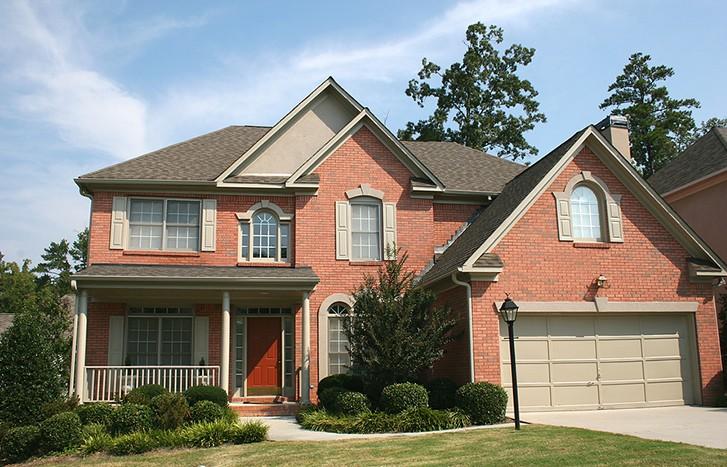

Whether you have a small home or a big one, the last thing you would want as a homeowner is a roof leak. The roof of your home is the first line of defense against all harmful outdoor elements. Hence keeping it in top-notch condition should always be your priority. Naturally, it can be a nightmare to discover a leaky roof for every homeowner, as this incredibly tricky issue can quickly cost your hard-earned money and time if not diagnosed without consulting a professional. A leaky roof can have several warning signs and understanding them for timely inspection is very important. At first, it might seem like a minor drip coming from the ceiling, but chances are that there is already significant damage to the roof. This means that you need to act fast to combat the situation and stop it from spreading further. We at Roof Squad understand this – we would want to know the reason behind this issue and come up with an efficient solution. In this article, we will talk about some of the leading causes of roof leaks so that you are better informed.
Major Reasons Behind A Leaky Roof:
-
Aging: The roofing materials come with a certain lifespan. For instance, your asphalt shingles contain petrochemical oils that enable them to contract and expand with the fluctuating weather. But these oils dry out over time and become prone to cracking, curling, breaking, and losing their granules. If you don’t repair or replace them, they will eventually lose their water-shedding ability, causing them to leak.
-
Cracked flashing: The thin pieces of metal, known as flashing, are installed under shingles as a water-resistant barrier that can be left exposed or concealed. The roofers often use tar to conceal these flashings, which become prone to corrosion over time as they are left exposed to harsh weather conditions. Sometimes the flashing can become damaged due to water ingress or unwanted pests. These damaged flashings can cause a roof to start leaking. When you take a closer look at these flashings the damage or crack should immediately be obvious.
-
Clogged gutters: One of the most common reasons for a leaky roof is clogged gutters. When several pieces of debris like dried leaves, tree branches, sticks, and dirt get stuck in the gutters, they can restrict the rainwater and melting snow water from freely flowing away from the roof or home. Don’t forget to call for help when you notice warning signs like staining on your siding, overflowing drains, sagged gutter sections, and pests or birds.
-
Damaged chimney: The vertical structure that removes smoke, warm air, and gasses from inside your home can sometimes have a direct impact on your roof. Cracks and other kinds of damage in your chimney can allow water to seep through and pool up, which can go on to cause structural damage to your home. This is why early detection of chimney damage is very important.
-
Condensation in the attic: Sometimes, moisture within your home can cause a leaky roof. For instance, attic condensation is one of the most commonly witnessed home issues during the winter season – when the outer temperature becomes significantly lower than the indoor temperature. As the vapor from warm water rises and enters the cold attic, it becomes converted into a solid state and gets transformed into large water droplets that attach to the wood in your attic. This can cause the wood in your attic to rot and enable the formation of mold, finally leading to a leaked roof. Always have a good ventilation system in your attic and have it properly insulated.
-
Improperly sealed valleys: The area where two planes meet on your roof to create a low point is known as a valley. If the seams of these valleys are not properly sealed, they can quickly become a highway for water to seep through. Broken seals of valleys are often caused by damage from foot traffic, improper installation, or erosion from outdoor elements. You can check for debris pile-up or wet spots along the seams to identify these broken seals.
Dealing with a leaky roof can be an incredibly stressful and exhausting job. You wouldn’t want to run around the house with buckets and pots every time it rains. As a homeowner, you might not know what is causing the leak to your home’s roof. Sometimes it can be animal nests or something as treacherous as black mold. This is where the role of roofing repair professionals comes into play. They understand the importance of identifying the root causes of roof leaks, the reasons behind them, and ways to fix them. However, never venture onto your roof without the help of a professional as it can cause serious injury or permanent damage to your roof. You can keep the above-mentioned list handy whether you have a roof that is 3 years old or 20. This way you will know when to call for help.
