

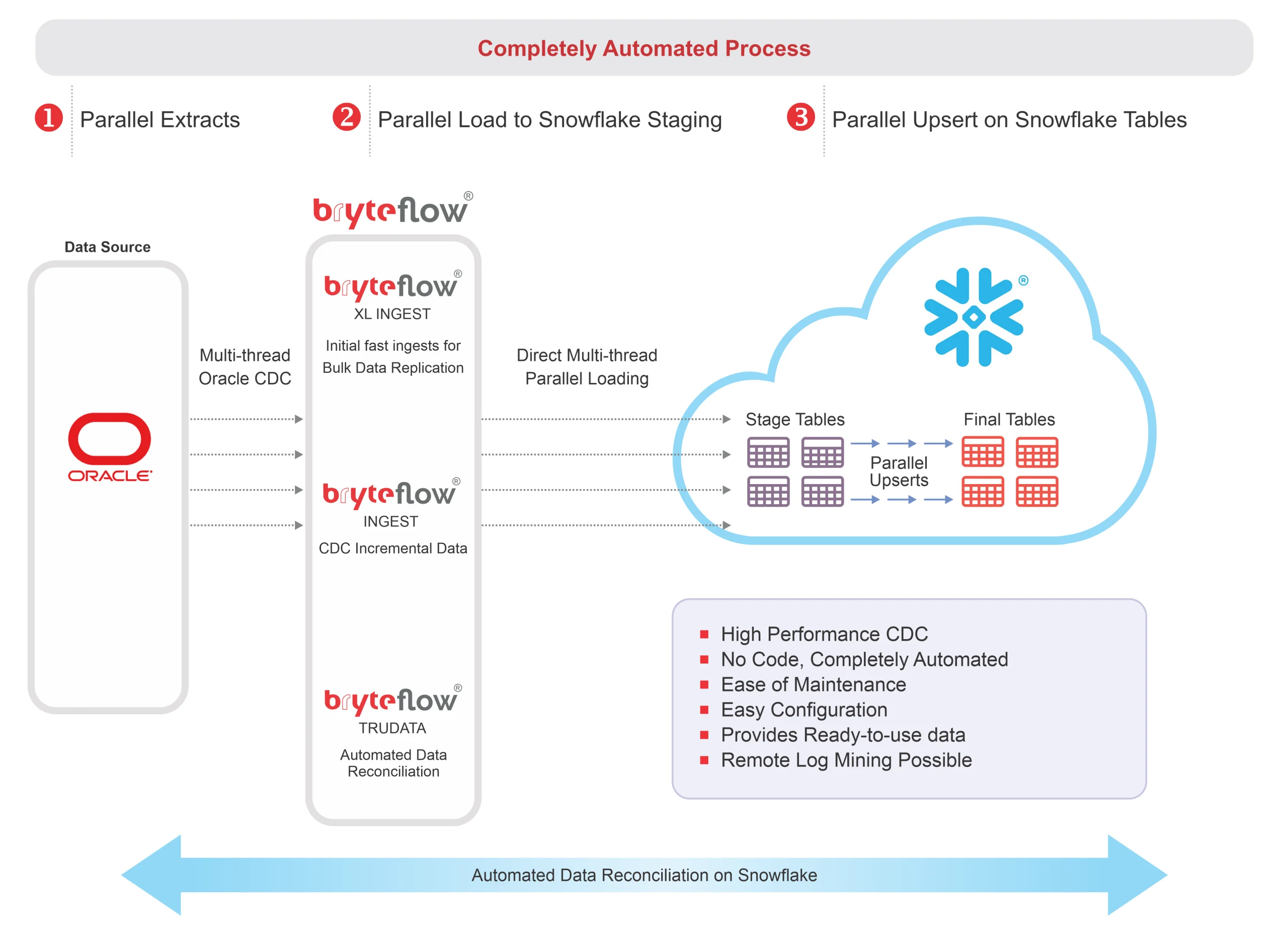

Oracle CDC (Change Data Capture) is a powerful tool used by businesses to track changes to their Oracle database. By capturing and storing changes in real-time, businesses can gain valuable insights into their data and make informed decisions. In this comprehensive guide, we’ll explore what Oracle CDC is, how it works, and why it’s an essential tool for businesses that rely on their Oracle databases.
What is Oracle CDC?
Oracle CDC is a feature of Oracle Database that allows businesses to capture and store changes to their database in real-time. This includes changes to tables, columns, rows, and more. By capturing these changes, businesses can gain a better understanding of their data and how it is changing over time.
How Does Oracle CDC Work?
Oracle CDC works by using a process called “log-based” change data capture. This process involves reading the redo logs generated by the Oracle database and identifying changes to the data. Once identified, these changes are stored in a separate table called the change table. The change table contains information about the changes made, including the table name, the columns that were changed, and the data before and after the change.
Why is Oracle CDC Important?
Oracle CDC is important because it allows businesses to gain insights into their data that they may not have been able to see otherwise. By capturing changes in real-time, businesses can track trends and patterns over time, allowing them to make informed decisions about their data. Additionally, Oracle CDC can help businesses identify potential issues before they become major problems, allowing them to take action before it’s too late.
Use Cases for Oracle CDC
There are many use cases for Oracle CDC, including:
Business Intelligence: Oracle CDC can be used to capture changes to data that can then be used in business intelligence reports. This can help businesses gain a better understanding of their data and make informed decisions.
Data Warehousing: Oracle CDC can be used to capture changes to data that can then be loaded into a data warehouse. This allows businesses to store historical data and track changes over time.
Replication: Oracle CDC can be used to replicate data from one database to another. This is useful for businesses that need to have the same data in multiple locations.
Data Integration: Oracle CDC can be used to integrate data from different sources. This allows businesses to combine data from multiple sources and gain a more comprehensive view of their data. Another advantage of using Oracle CDC is that it supports real-time data integration, which allows businesses to access data as it is being created or updated in the source system. This can be critical for organizations that require up-to-the-minute data to make important business decisions. Real-time data integration also ensures that data is accurate and up-to-date, reducing the risk of errors and inconsistencies that can occur when data is transferred manually.
Oracle CDC also offers built-in support for both unidirectional and bidirectional replication, allowing data to be replicated between databases in a variety of different ways. This flexibility can be especially useful for businesses that have complex data integration requirements or multiple databases that need to be synchronized.
In addition, Oracle CDC can be used with a wide range of source systems, including Oracle databases, non-Oracle databases, and other data sources such as messaging systems and application logs. This means that businesses can use Oracle CDC as part of a larger data integration strategy, allowing them to consolidate data from multiple sources into a single data warehouse or analytics platform.
Overall, Oracle CDC offers a powerful and flexible solution for real-time data integration and replication. By enabling businesses to access up-to-the-minute data and synchronize data between multiple databases, Oracle CDC can help organizations make better decisions, improve operational efficiency, and drive business growth.
In order to get the most out of Oracle CDC, businesses should work with a qualified database professional who has experience with Oracle CDC and can provide guidance on the best way to configure and use the software. With the right expertise and support, businesses can take full advantage of Oracle CDC and reap the benefits of real-time data integration and replication.
