

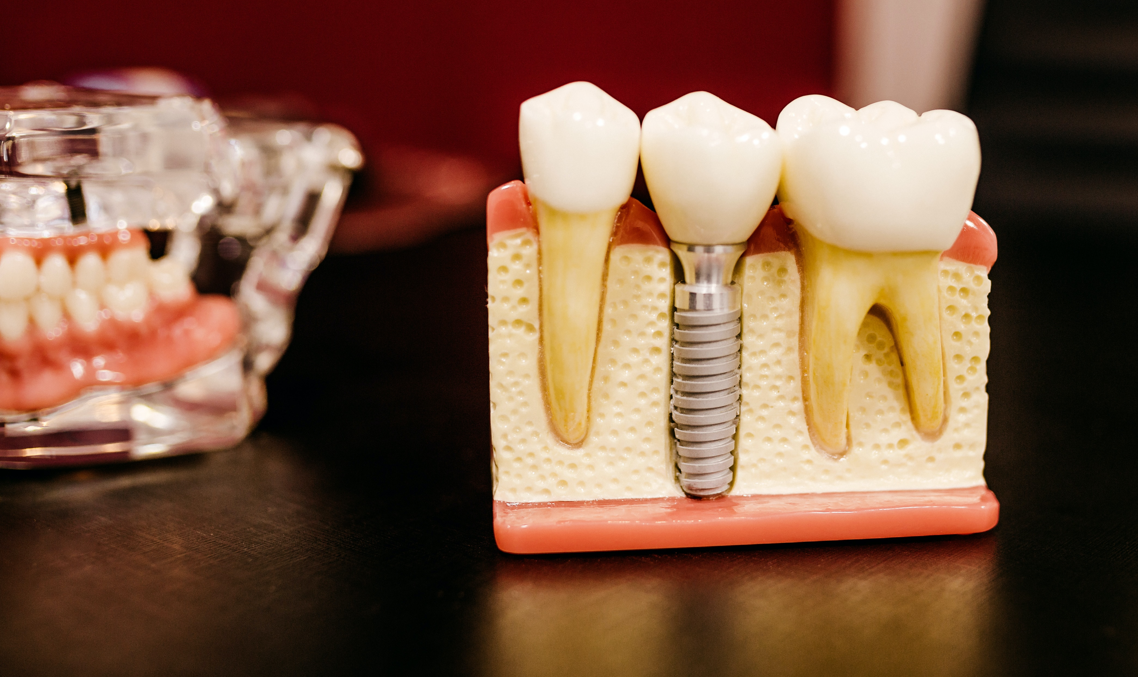

Lost a tooth can be a discomfort that can impair your ability to eat and communicate and your appearance. Fortunately, dental implants and dentures are common options for replacing missing teeth. To assist you in choosing which choice is ideal for you, we will examine the distinctions between dental implants and dentures.
The right choice depends on several factors, including oral health, lifestyle, and budget. We will examine the distinctions between dental implants and dentures in this piece and assist you in selecting the most appropriate solution. So, learn whether you’re considering dental implants or dentures. If yo need clarification, reach out to The Dental Practice UK for the best advice.
What are dental implants?
Dental implants are surgically placed artificial tooth roots that replace natural ones. Usually constructed of titanium, they are intended to fuse with the jawbone gradually. A secured crown or bridge will replace the lost tooth once the implant appropriately connects with the jawbone.
What are dentures?
Dentures, on the other hand, are detachable prosthetics Devices that replace missing teeth. They come in two types: complete dentures, typically made of acrylic or other materials designed to fit snugly over the gums. They may require regular adjustments to maintain a proper fit and may be uncomfortable for some patients.
What are the differences between dentures and implant?
- Cost of dentures vs.
- dental implants
- ; dentures are a more affordable option for replacing missing teeth, and they can be a good solution for patients who are not good undergo dental implants.
- Maintenance of implants versus dentures; Dental hygiene practices for natural teeth and dental implants are comparable. This entails using a soft-bristle brush at least twice daily, flossing, and scheduling routine check-ups. However, more significant daily maintenance is required for dentures to last long term. You shouldn’t wear them overnight, for example. They should soak in water or a particular cleaning solution during that time.
- Because your bite changes over time, dentures must be replaced occasionally. On the other hand, dental implants are permanent fixtures that may require replacement if the original crowns break or get cracked.
- Problems with dentures versus implants Dentures that don’t remain in place and sores (ulcerations) developing on the gums are the two most frequent risks associated with dental implants. However, they are typically safe and effective replacements for missing teeth.
Other potential consequences include infection and mechanical issues (loose posts, cracked crowns).
What are the factors to consider when choosing dental implants or dentures include?
Age: People in their 60s or younger may consider dental implants because they are more durable solutions and can anticipate using their prosthetic teeth for several decades. Older people may prefer dentures, especially those who don’t want to undergo more prolonged and invasive implant treatments.
Bone density: A specific amount of jawbone is needed for implants to support the posts. If you have lost bone tissue because of an injury, ageing, gum disease, or tooth loss, you cannot be a good candidate for implants.
Overall the decision between dental implants and dentures should be made in consultation with a dentist or dental surgeon, who can provide professional recommendations based on the patient’s needs and condition.
