

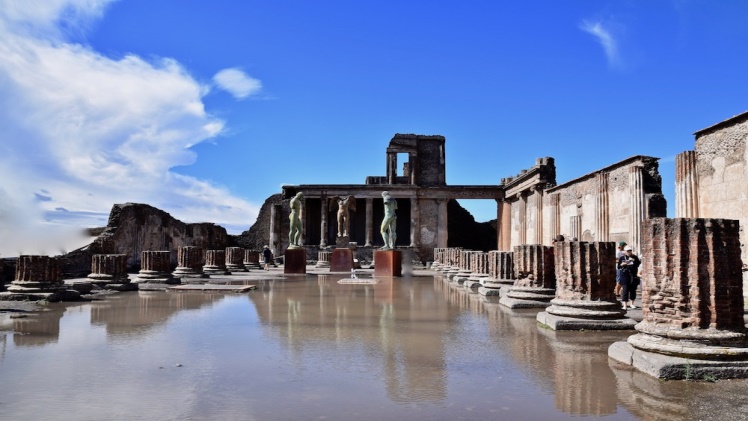

The ancient city of Pompeii, nestled at the foot of Mount Vesuvius in present-day Italy, continues to captivate the imagination of visitors worldwide. Stepping into its ruins is like embarking on a journey through time, where the remnants of a once-thriving civilization offer glimpses into the enigmatic history of Pompeii. In this article, we will delve into the unique aspects of the Pompeii ruins and uncover the fascinating tale they tell.
Pompeii’s history dates back to the 8th century BCE when the Oscans, an Italic people, founded it. Over the centuries, it evolved into a prosperous Roman city known for its thriving economy and exquisite architecture. However, the city’s destiny would turn tragic on August 24, 79 CE, when Mount Vesuvius erupted in one of the most catastrophic volcanic events in history.
The eruption buried Pompeii under layers of volcanic ash and pumice, effectively freezing the city in time. While devastating for its inhabitants, the natural disaster inadvertently preserved the city’s structures and artifacts for centuries. It wasn’t until the 18th century that excavations began, gradually unveiling the Pompeii ruins and providing unprecedented insights into ancient Roman life.
Today, walking through the streets of Pompeii is like traversing a vast archaeological park, where every corner holds a piece of the city’s rich history. The ruins encompass many structures, including residential buildings, temples, markets, theaters, and bathhouses. Remarkably, the buildings’ layouts, intricate frescoes, and detailed mosaics have remarkably survived the test of time, allowing us to envision the daily lives of Pompeii’s inhabitants.
One of the most iconic aspects of Pompeii is its well-preserved theater, the oldest stone-built Roman amphitheater in existence. This grand structure hosted gladiatorial combats and spectacles, providing the city’s residents with entertainment. Imagine the crowd’s roar and the adrenaline coursing through the combatants as they engaged in fierce battles, all within the confines of this historical marvel.
In addition to the public spaces, the Pompeii ruins offer a glimpse into the private lives of its citizens. Exploring the ruins of opulent villas reveals the intricate designs and lavish decorations that adorned the homes of the wealthy elite. Intriguingly, the preserved casts of victims found in certain buildings are haunting reminders of the catastrophic end that befell the city’s inhabitants.
The artifacts recovered from Pompeii further enrich our understanding of daily life in ancient Rome. From pottery and jewelry to tools and statues, these treasures shed light on the city’s economy, craftsmanship, and artistic prowess. The Pompeii ruins have thus become a treasure trove for archaeologists, historians, and enthusiasts alike, offering invaluable insights into the past.
Visiting the Pompeii ruins is an awe-inspiring experience that evokes a sense of both wonder and tragedy. It allows us to witness the power of nature and the fragility of human existence. Stepping into this ancient city invites contemplation on the transience of life and the enduring legacy of civilizations long gone.
As you explore the streets of Pompeii, you can’t help but feel a deep connection to the people who once walked these same paths, lived in these houses, and marveled at the grandeur of their surroundings. Pompeii’s ruins stand as a testament to the resilience of the human spirit and the eternal quest for knowledge about our shared history.
