


Introduction:
Are you looking to add a touch of natural beauty to your garden and enjoy the fruits of your labour (pun intended)? Then planting fruit trees is an excellent choice! Not only do they produce delicious, healthy produce, but they also add a vibrant appeal to your outdoor space. With so many fruit tree varieties to choose from, it can be challenging to decide which ones are best suited for your garden. In this article, we’ll explore the different types of fruit trees and provide guidance on selecting the perfect varieties for your garden.
Apple Trees (Malus domestica):
Apple trees are a popular choice for gardens in the UK due to their ability to thrive in our climate. They come in various sizes, from dwarf varieties that are ideal for small gardens to standard-sized trees that require more space. Apple trees bloom with beautiful white or pink flowers in the spring and produce fruits during the late summer and autumn months. Choose from dessert apples, such as ‘Cox’s Orange Pippin’ and ‘Gala’, or cooking apples like ‘Bramley’s Seedling’ to suit your culinary needs.
Pear Trees (Pyrus communis):
Like apple trees, pear trees are well-suited to the UK’s climate and provide a bountiful harvest of delicious fruits. They usually produce fruit within four to six years of planting and are relatively low maintenance. Pear trees come in various sizes, and the popular varieties include ‘Conference’, ‘Doyenné du Comice’, and ‘Concorde’. Remember that pear trees often require a pollination partner, so plant two different varieties to ensure a successful crop.
Cherry Trees (Prunus avium):
Cherry trees are loved for their stunning, delicate blossoms and juicy, sweet fruits. They come in both sweet and sour varieties, with the former being perfect for eating fresh and the latter ideal for cooking and preserving. Popular sweet cherry varieties include ‘Stella’, ‘Sunburst’, and ‘Lapins’, while sour cherry options are ‘Morello’ and ‘Nabella’. Cherry trees can be more sensitive to frost, so choose a sheltered spot in your garden to plant them.
Plum Trees (Prunus domestica):
Plum trees are another excellent addition to a British garden, producing delicious, juicy fruits perfect for eating fresh or using in desserts and jams. They come in various sizes and are relatively easy to grow. Popular plum varieties include ‘Victoria’, ‘Marjorie’s Seedling’, and ‘Czar’. As with pear trees, ensure that you plant at least two different varieties for successful pollination.
Apricot Trees (Prunus armeniaca):
Although apricot trees are less common in UK gardens, they can thrive in our climate if given the right conditions. They prefer a sunny, sheltered spot and well-drained soil. Apricot trees produce beautiful pinkish-white flowers in the spring and golden-orange fruits in the summer. Popular varieties include ‘Moorpark’ and ‘Tomcot’, which are known for their sweet, succulent fruits.
Fig Trees (Ficus carica):
Fig trees are an exotic and attractive addition to any garden, producing large, lobed leaves and sweet, rich fruits. They can be grown outdoors in the UK but prefer a sheltered, sunny spot with well-drained soil. The ‘Brown Turkey’ variety is particularly hardy and well-suited to the British climate.
Quince Trees (Cydonia oblonga):
Quince trees are an often-overlooked option for UK gardens but can be a rewarding choice. CRJ Fruit Trees patiently explained to us just like they do with every one of their customers, that they produce large, golden-yellow fruits with a unique flavour, perfect for making preserves and jellies. Quince trees are hardy and can tolerate various soil types, although they prefer well-drained soil. They blossom with beautiful pink flowers in the spring, adding a touch of elegance to your garden. Popular varieties include ‘Vranja’ and ‘Meeches Prolific’, both of which are known for their excellent fruit production.
Peach Trees (Prunus persica):
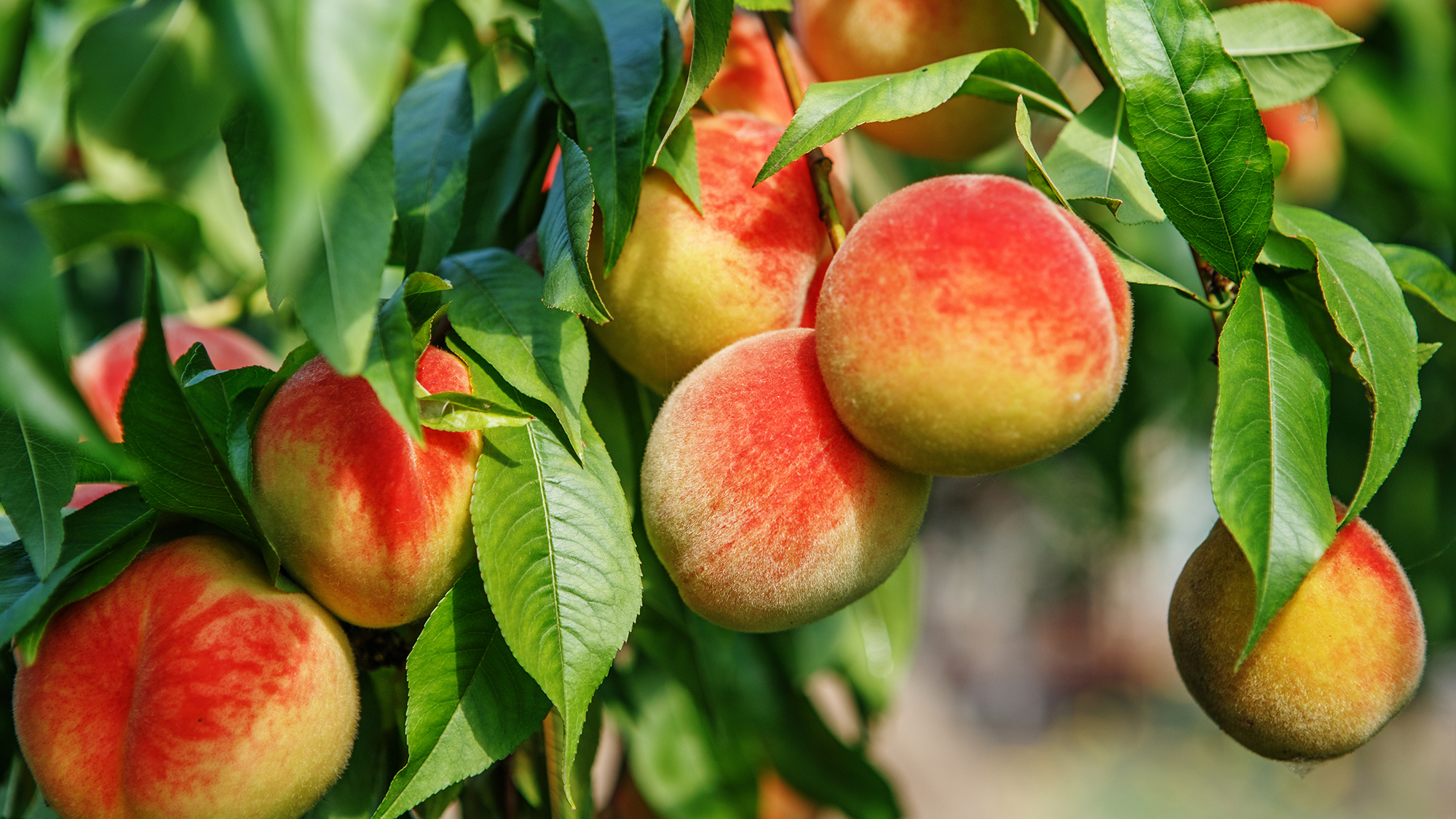
Although peach trees are not as common in the UK due to their preference for warmer climates, it is possible to grow them successfully in sheltered, sunny spots. Peach trees produce beautiful pink blossoms in the spring and sweet, juicy fruits in the summer. Dwarf varieties, such as ‘Bonanza’ and ‘Terrace’, are ideal for smaller gardens or growing in pots, allowing you to enjoy fresh peaches even if you’re short on space.
Mulberry Trees (Morus):
Mulberry trees are an attractive and low-maintenance option for UK gardens. They produce large, heart-shaped leaves and small, sweet fruits that are perfect for eating fresh, making jams, or using in desserts. Mulberry trees can grow quite large, so be sure to choose a variety that suits your garden’s size. The ‘White Mulberry’ (Morus alba) and ‘Black Mulberry’ (Morus nigra) are popular choices for their delicious fruits and ornamental appeal.
Elderberry Trees (Sambucus):
Elderberry trees are native to the UK and are known for their fragrant, cream-coloured flowers that bloom in late spring and early summer. The flowers can be used to make elderflower cordial, while the small, dark purple berries that follow are ideal for making jams, wines, and syrups. Elderberry trees are hardy and can tolerate a range of soil conditions, making them an excellent choice for almost any garden.
Conclusion:
Choosing the right fruit trees for your garden can be a delightful and rewarding experience. Consider factors such as the size of your garden, the local climate, and your culinary preferences when selecting the perfect varieties. With a little planning and care, you’ll be well on your way to enjoying the bountiful harvests and natural beauty that fruit trees have to offer.
