

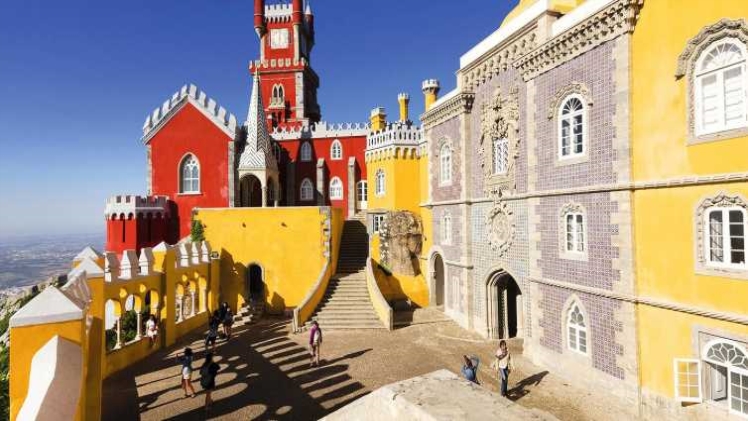

Park Of Pena Palace is a magnificent palace complex in Sintra, Portugal, that was built in the 19th century by King Ferdinand II. It’s a UNESCO World Heritage Site, and it’s considered to be one of the most beautiful examples of Romanticism in Europe. While the palace itself is undoubtedly the main attraction, the park that surrounds it is equally enchanting. In this article, we’ll take you on a tour of the park, exploring its various features and attractions.
1. Introduction
Pena Palace and its surrounding park are two of the most popular tourist attractions in Portugal. The park is vast, covering over 200 hectares, and it’s filled with beautiful gardens, fountains, and sculptures. There are also several historical buildings and monuments within the park, each with its own unique history and charm.
2. The History of Pena Park
The park that surrounds Pena Palace was originally a forested area that belonged to the Monastery of Nossa Senhora da Pena. In the 18th century, a monastery was built on the site, which was later destroyed by the earthquake of 1755. King Ferdinand II purchased the land in the mid-19th century and began transforming it into the stunning park that we know today. He wanted to create a place of enchantment, where the natural landscape blended seamlessly with architectural and artistic elements.
3. Getting to Pena Park
Pena Park is located in Sintra, Portugal, which is about 30 minutes from Lisbon by car. There are also regular trains and buses that run from Lisbon to Sintra. Once you arrive in Sintra, you can take a bus or a taxi up to the park entrance. There is a fee to enter the park, and you can purchase tickets at the entrance or online in advance.
4. Exploring the Gardens of Pena Park
The gardens of Pena Park are some of the most beautiful in Europe. They’re filled with exotic plants and flowers, as well as winding paths and hidden nooks. One of the most stunning features of the gardens is the Valley of the Lakes, which is a series of small lakes and waterfalls that are surrounded by lush greenery.
5. The Chalet of the Countess of Edla
The Chalet of the Countess of Edla is a charming building that’s located in the park. It was built in the 19th century for King Ferdinand II’s second wife, Elise Hensler, who was later given the title of Countess of Edla. The chalet is a mix of architectural styles, featuring Gothic, Moorish, and Manueline elements. It’s surrounded by beautiful gardens, which were designed by the Countess herself.
Auschwitz Museum
The Auschwitz Museum, located in Oswiecim, Poland, is a sobering reminder of the atrocities committed during the Holocaust. This former Nazi concentration camp was the site of the largest mass murder in history, with over 1 million Jews and other minorities being systematically exterminated during World War II. Today, the museum stands as a testament to the memory of those who lost their lives and a warning against the dangers of intolerance and hate.
Visiting the Auschwitz Museum can be a difficult and emotional experience, but it is also one that is important for understanding the dark history of the Holocaust and its impact on the world today. In this article, we will explore the significance of the Auschwitz Museum and provide practical tips for those planning to visit.
The History of the Auschwitz Museum
The Auschwitz Museum was established in 1947, just two years after the end of World War II. The museum was founded to preserve the memory of the victims of the Holocaust and to educate future generations about the horrors of the Nazi regime. The site was designated as a UNESCO World Heritage site in 1979 and has since become a symbol of the atrocities committed during the war.
The museum is located on the grounds of the former concentration camp, which was established by the Nazis in 1940. The camp was initially used to hold political prisoners, but it soon became a site for the systematic extermination of Jews, Roma, homosexuals, and other minorities. Over the course of the war, over 1.1 million people were murdered at Auschwitz, with the vast majority being Jews.
What to Expect When Visiting the Auschwitz Museum
Visiting the Auschwitz Museum can be a difficult and emotional experience, but it is also a powerful reminder of the importance of never forgetting the past. Here are some practical tips to help you make the most of your visit:
Plan ahead: The museum is open daily from 8am to 7pm, but it is recommended that you book your tickets in advance. This will help you avoid long lines and ensure that you have enough time to explore the site.
Dress appropriately: The museum is a solemn place, and visitors are expected to dress respectfully. Avoid wearing shorts, sleeveless tops, or revealing clothing.
Take a guided tour: The museum offers guided tours in several languages, which can help you navigate the site and gain a deeper understanding of its history.
Allow plenty of time: The museum is vast, and it can take several hours to explore all of the exhibits. Allow at least three hours for your visit.
Be respectful: The Auschwitz Museum is a solemn place, and visitors are expected to behave respectfully. Avoid taking selfies or making loud noises, and be mindful of other visitors who may be grieving.
At the Auschwitz Museum, the horrors of the Holocaust are displayed in a way that immerses visitors in the tragedy. The museum is a symbol of the atrocities committed during World War II and serves as a reminder of the importance of never forgetting the past. In this comprehensive guide, we will explore the history of Auschwitz, the significance of the museum, and what visitors can expect when they visit.
