

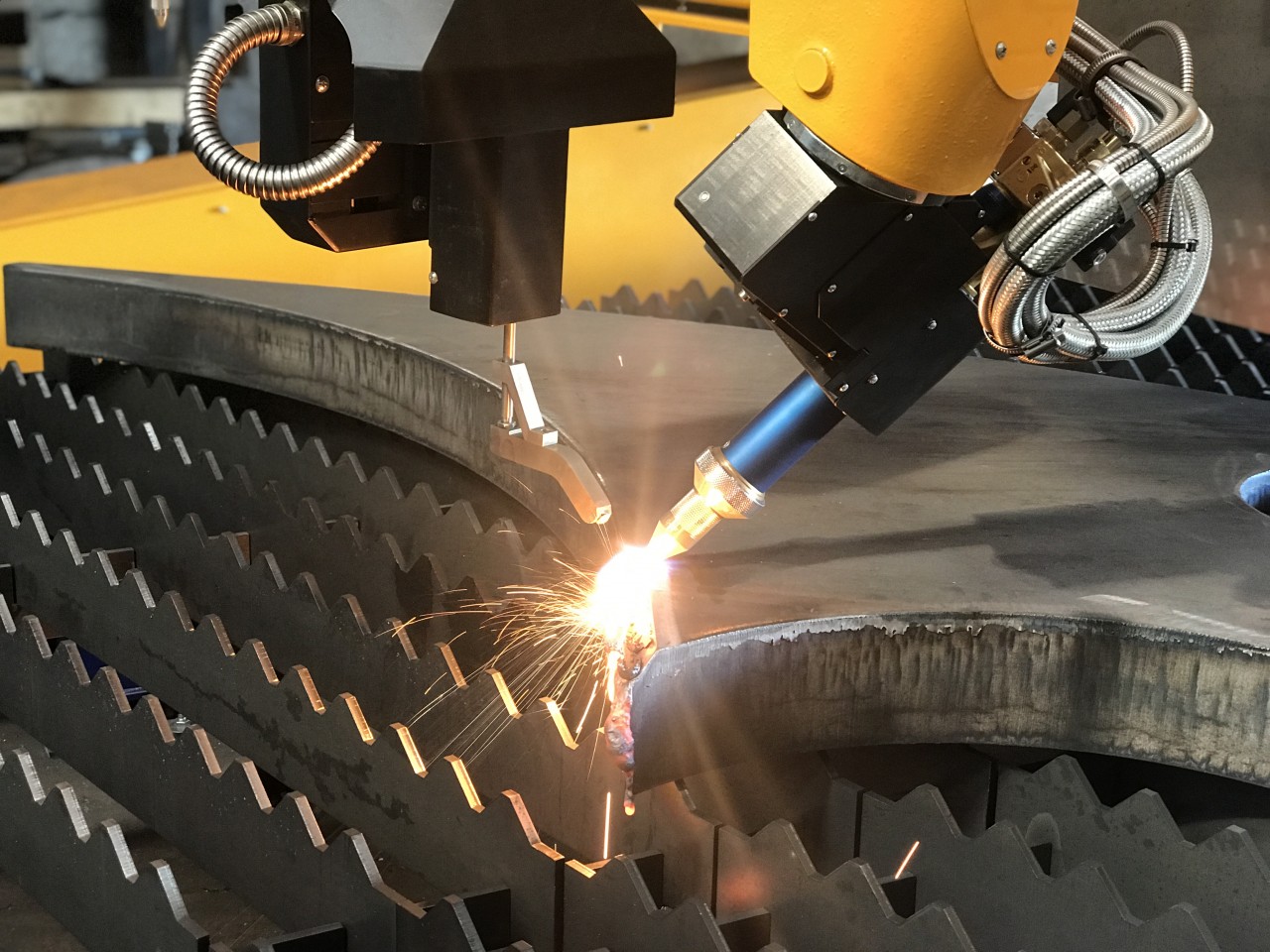

When it comes to oxyfuel cutting techniques for various metals, there are a few key considerations. Different metals have different properties, such as thickness, conductivity, and reactivity, which can impact the cutting process. For example, when cutting steel, it’s important to use a neutral flame to prevent oxidation and maintain clean cuts. Oxyfuel cutting is a versatile and widely used method for cutting and shaping various materials, especially metals. It involves the use of a fuel gas, such as acetylene or propane, combined with oxygen to create a high-temperature flame. This flame is directed onto the material to be cut, causing it to heat up and react with the oxygen, resulting in a rapid oxidation process known as combustion. As the metal oxidizes, a stream of molten metal is blown away by the force of the oxygen, creating a clean and precise cut.
The oxyfuel cutting process can be used for a wide range of applications, from industrial metal fabrication to artistic metalwork. It’s a fascinating technique that requires skill and precision to achieve the desired results.
Straight Line Cutting
This technique is used when you need to make a straight cut along a designated line. To achieve this, you’ll use a straight edge or a guide to ensure accuracy. The torch flame is directed along the cutting line, melting and oxidizing the metal as it moves forward. It’s important to maintain a steady hand and consistent speed to achieve a clean and precise cut.
Bevel Cutting
Bevel cutting is employed when you need to create angled cuts, typically for welding or joining purposes. It involves adjusting the torch angle to achieve the desired bevel angle. By tilting the torch in the appropriate direction, you can cut the material at an angle, allowing for seamless connections between pieces.
Circle Cutting
When you need to create circular or curved cuts, circle cutting comes into play. This technique involves using a circle cutting attachment or a template to guide the torch around the desired shape. By rotating the torch along the guide, you can achieve accurate circular cuts in the material.
Piercing
Piercing is the process of creating a hole or starting point in the material before making a cut. To pierce, you briefly apply the torch flame to a specific spot until it melts through the material. This allows you to initiate the cutting process at a specific point, making it easier to continue the cut along the desired path.
Kerfing
Kerfing is a technique used to create a groove or channel in the material without cutting all the way through. It’s often employed when you need to bend or fold the material. By carefully controlling the torch’s movement, you can create a shallow cut that provides a guide for bending or folding the material without compromising its structural integrity.
Slot Cutting
Slot cutting in oxyfuel cutting involves using the oxyfuel torch to create a narrow slot or channel in the material. The torch is guided along a designated line to cut through the material and create the desired slot. This technique is commonly used in various applications, such as creating slots for fasteners or routing wires or cables. Oxyfuel cutting provides the heat and intensity required to make precise and clean slots in the material.
