

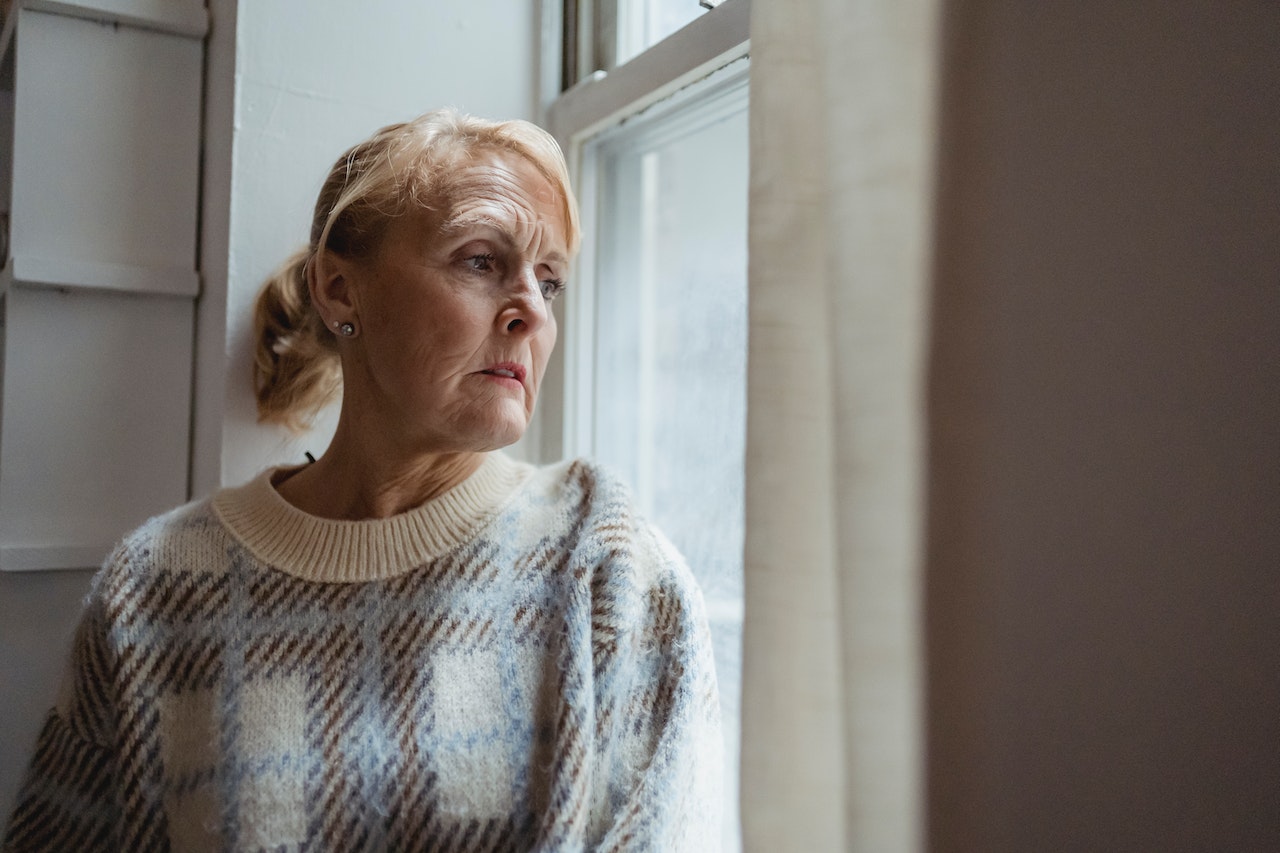

Nursing homes are supposed to be places we can trust to care for our older loved ones when we cannot. However, this is not always the case, as many seniors face nursing home abuse, shattering our trust in these institutions.
Nursing home abuse happens when caretakers harm the residents. The abuse can take many forms. It can be intentional or unintentional. But either way, it results in medical emergencies, trauma, or even death. Sadly, the abuse is dominant due to staff burnout, understaffing, or improper training. But the worst part is; the neglect is not always obvious, even to the victim.
While most victims are often afraid to speak out due to possible retaliation, there are many signs of abuse that can aid you in uncovering the truth and protecting your loved ones.
This article will discuss the five common signs of nursing home abuse you should be familiar with if you have decided to place your loved one in a nursing home.
-
Unexplained Bruises or Injuries
Physical abuse can cause serious injuries, both physical and emotional. It is the most apparent form of abuse and can be recognized by noticing evidence of abuse on the resident’s body.
If you suspect your loved one is being physically abused in a nursing home, it is important to report it immediately. You can report abuse to the nursing home administrator, the state licensing board, or the police. In cases where you are unaware of your legal rights, your best bet is to contact a certified legal firm like lawfirm.com and seek the assistance of a specialized nursing home abuse lawyer to evaluate your case and available options.
Some of the most common signs and symptoms of physical abuse include unexplained bruises, abrasions, pressure marks, broken glasses, and signs of restraints, burns, welts, or bruises. Moreover, if the caregiver doesn’t let you be alone with your loved one, this also indicates something suspicious.
-
Sudden Change in Behavior or Mood
Nobody knows your loved one better than you do. So, you will be the first to notice sudden changes in their mood or behavior. If the resident shows any signs of fear, agitation, anxiety, embarrassment, anger, or depression, pay attention to it. Try to find out the actual reason behind the mood shift. Most importantly, do not rule out the possibility of nursing home abuse just because you cannot find any physical sign of abuse.
All of these signs commonly indicate the occurrence of emotional or mental abuse. The abuse may cause your loved one to withdraw from their usual activities or hobbies, stop caring for their hygiene, or you might notice chronic physical signs of stress, such as sudden weight loss. In some cases, they may even exhibit unusual behaviors like biting, sucking, or rocking.
Some potential reasons for a sudden behavior change include change or improper medication, sexual abuse, illegal restraint, physical abuse, physiological issues, and changes in living conditions like a roommate with personality conflicts or verbal threats. Thus, listen to your instincts and pursue the issue until everything is examined, including the cause of your loved one’s distress.
-
Dehydration or Malnutrition
This sign usually occurs when the nursing home staff neglects the resident’s basic needs. The neglect leads to the deterioration of the resident’s overall health over a short period. When a resident in a nursing home is dehydrated or malnourished, their immune system significantly weakens. It further leads to infections, bed sores, and cognitive problems. Thus, if these signs are not watched for or treated promptly, they can become life-threatening.
Some of the most common indications of neglect include swollen tongue, dry mouth, dry or cracked lips, and higher degrees of immobility. However, serious health complications include renal failure, hypotension, muscular atrophy, abnormal skin tone, or electrolyte imbalance.
Remember, malnourishment and dehydration are two of the most typical forms of abuse in nursing homes. In several cases, both these conditions are found together. So, if you find your loved ones dehydrated, they are also likely to be malnourished. In this case, your first step should be to report the issue and bring it to the attention of the care facility.
-
Sanitation and Poor Hygiene
Typically, poor hygiene or sanitation of a resident occurs when the facility or its staff fail to fulfill their contractual obligation or properly care for the individual.
For instance, seniors who do not get the assistance they need to toilet or bathing are considered neglected. Thus, if you find your loved ones facing sanitation issues like living with dirty clothes, soiled bed clothing, dirty conditions or bugs, or being unsuitably dressed for the weather, report the issue to the authority timely. If the health of a nursing home resident is jeopardized due to improper sanitation, the facility can legally be held liable.
Remember, when a nursing home fails to ensure the hygiene of its residents, it affects them psychologically. Moreover, there are high chances of viruses and germs lurking in unclean areas, leading to serious health issues for your loved ones.
-
Financial Exploitation
Financial abuse occurs when someone improperly or illegally withholds or uses the financial resources of an elderly person for personal benefit. This abuse is often carried out by using threats, trickery, unauthorized access through the power of attorney or guardianship, or simply by taking advantage of the resident’s mental state.
Some common signs of financial abuse include unexplained withdrawals from bank accounts, missing cash, unusual services, goods or subscriptions, financial situation changes, life insurance, policies, wills, or property titles. Thus, if you witness any signs of abuse, document as much evidence and details as possible.
Conclusion
Nursing home abuse has become a common issue. But you can protect your loved ones from being hurt by recognizing the obvious and less obvious signs of abuse. Moreover, never hesitate to speak up if your loved one is the victim of nursing abuse or neglect. Report the red flags to the relevant authorities, seek legal assistance, or, in case of immediate danger, call 911 without any delay.
