

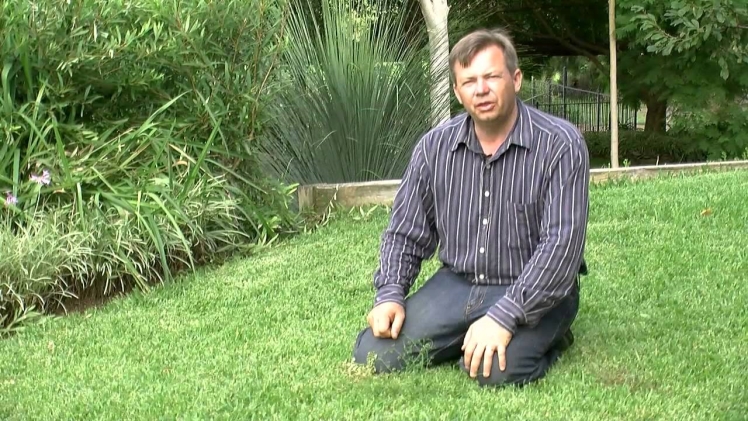

A lush, green lawn is a beautiful sight to behold, but the presence of weeds can be a significant eyesore. Weeds not only detract from the beauty of your lawn but can also compete with your grass for nutrients, water, and sunlight. If you’re dealing with pesky weeds in your lawn, don’t worry; there are ways to get rid of them without harming your grass.
One of the most effective ways to kill lawn weeds without harming your grass is to use the right products. In recent years, many new products have been introduced that can help you effectively kill weeds without damaging your lawn. However, with so many products on the market, it can take time to determine which ones are right for your lawn. That’s why knowing the best practices for killing lawn weeds is essential to make an informed decision when choosing products.
1. Weed Killer That Doesn’t Kill Grass
Finding the right weed killer is essential to kill lawn weeds without harming your grass. Many weed killers on the market contain harsh chemicals that can damage or kill your grass. However, many effective weed killers are safe to use on grass. Look for weed killers that are labeled as selective or systemic, as these types of weed killers target weeds without harming the grass.
2. Warm Season Grass Herbicides
Warm-season grasses like Bermuda, St. Augustine, and Zoysia require specific herbicides that won’t harm the grass. Warm-season grass herbicides contain active ingredients like 2,4-D, dicamba, and mecoprop that target broadleaf weeds without damaging the grass.
3. Cool Season Grass Herbicides
Cool-season grasses like Kentucky bluegrass, perennial ryegrass, and fescues require different herbicides than warm-season grasses. Cool-season grass herbicides contain active ingredients like mesotrione and quinclorac that target weeds like crabgrass and dandelions without damaging the grass.
4. A Little Helping Hand
Hand-pulling weed is tedious, but it can effectively control weed growth in smaller lawns. Use a small hand trowel or weed digger to remove the entire weed, including the root system.
5. Killing Weeds on Your Lawn
Controlling weed growth in your lawn is an ongoing process that requires patience and persistence. By using the best practices for killing lawn weeds, including identifying the type of weed, mowing your lawn regularly, watering deeply but infrequently, using natural weed control methods, and using selective herbicides as a last resort, you can kill lawn weeds without damaging your grass.
Conclusion
Controlling weed growth in your lawn is essential to maintaining a healthy and beautiful lawn. By following the best practices for killing lawn weeds, you can get rid of pesky weeds without harming your grass. Remember to identify the type of weed, use the appropriate herbicides for your grass type, and be persistent in controlling weed growth in your lawn. Additionally, it’s important to maintain a healthy lawn by mowing regularly, watering deeply but infrequently, and using natural weed control methods. By implementing these practices, you can keep your lawn looking lush, green, and beautiful all year round.
