





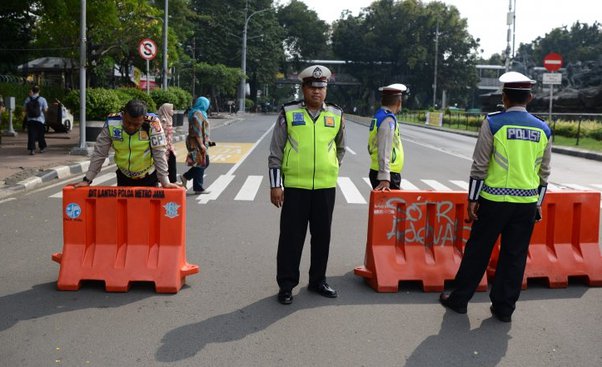


Policing in the U.S. is being analyzed intensely right now. From protesting police brutality, to discussing whether police can do more to protect citizens during times of crisis, there are a lot of opinions on what people in positions of power should be allowed to do when serving the population.
This leads us down the rabbit hole of actions that police officers take daily that may or may not be within their rights.
We’ll focus on the things police officers are allowed to do on the road, and how those things impact the lives of civilians. Can police ask for proof of insurance? This may feel like an invasion of privacy to some drivers, but having insurance is vital to protecting drivers and the people they may get into wrecks with on the road.
Police are the ones who always look to catch speeders, but many of them go over the speed limit themselves. Is this allowed or are they breaking the law? We’ll talk about all of the rules of the road people abide by that police officers may not follow themselves and whether they receive any consequences for their actions.
#1 – Asking For Proof of Insurance
Any time you are pulled over by the police, you will likely be asked for proof of insurance. Police are not only allowed to do this, but they are also encouraged to. Having insurance is one of the most important things any driver needs to possess in their car in a majority of U.S. states. Insurance will protect you and others financially in case of a car accident.
If you don’t have your insurance on you, police officers are allowed to run your license plate number to find whether your insurance is updated. They can give you a ticket for not having insurance even if the initial reason for pulling you over is for something completely unrelated. Make sure you have at least basic liability coverage so you don’t get fined.
Police can’t pull you over just because they want to check on your proof of insurance. They need to have a reason for pulling you over, and the insurance check is a byproduct of committing a different crime. Make sure you always follow the rules of the road so you don’t get pulled over.
Things like a broken windshield, expired tabs, or tail light that’s out can all be red flags to a police officer and get you pulled over.
Driving safely will help you keep your insurance rates lower. Rates increase when drivers become a bigger risk to themselves and others on the road.
#2 – Speeding
Speeding is one of the most dangerous things drivers do on a daily basis. Police are constantly looking for it while on patrol, and it leads people to wonder whether speeding is allowed by police. There are multiple answers to this question.
Police are allowed to speed if they are pursuing an emergency or have been called upon to reach the scene of a crime. They don’t need to put their lights on or their sirens to go over the speed limit. If they feel they need to go faster to get to their destination for work, they are allowed to go as fast as they want.
This doesn’t mean police are allowed to speed whenever they want, though. Unfortunately, there really is no way for a citizen to prove that an officer is going over the speed limit for no good reason. Because police officers don’t need to always put on their lights when they speed, they could break the rules and get off with it quite easily.
Police officers can be turned in by citizens for speeding if they are suspected of abusing their power, but it would be a very difficult process to prove they are worthy of discipline. The consequences for speeding would not be a ticket or a fine like it is for non-officers. Instead, police officers would likely get a warning from their superiors to quit speeding.
#3 – Turning on Their Sirens for Convenience
Just like with speeding, there is no way to prove an officer doesn’t need their siren on. They are allowed to turn on their sirens and lights whenever they feel they need to let the rest of the drivers on the road know they are in a hurry and trying to get to the scene of a crime or an emergency.
Whether they abuse this ability is out of citizens’ control. Police are allowed to use their sirens whenever they deem it necessary for their job. This means police could always argue their use of sirens was necessary because citizens don’t know the extent of what the police officer is supposed to be doing.
#4 – Parking in Fire Lanes
Police get allowances on where they are allowed to park their cars compared to other citizens. Like most of the other rules we’ve talked about here, police get the privilege to park in zones that you typically aren’t allowed to so they have easy access to the road in case they need to quickly drive to an emergency.
This means they can pull over in fire lanes, bike lanes, or they can block an entrance if they are trying to get somewhere for their job. Once again, you can never truly prove whether they are abusing these allowances or not. Police will often park on the edge of a street to hunt speeders for tickets, which is also allowed.
Police officers have rules they are supposed to follow. They are just like any other people in this aspect of life. Their job requirements allow them to do things that others would get in trouble for, though. Speeding, turning on sirens, and abusing power are not right, but they are allowed to do these things if it is in the name of doing their job.
Make sure you know what police officers are allowed to do when you get pulled over. You have rights, too, and understanding the rules of the road will help keep everyone safe and keep the police off your back. This can help make driving easier for everyone on the road.
Shawn Laib writes and researches for the auto insurance comparison site, AutoInsurance.org. He wants to help people understand the rules of the road.


